
Quick Takeaways
- Aripiprazole is an atypical antipsychotic that works by balancing dopamine and serotonin signals.
- Digital mental‑health tools can improve medication adherence, mood monitoring, and early detection of side‑effects.
- Evidence from recent trials shows that adding a well‑chosen app to drug therapy can modestly raise response rates in schizophrenia, bipolar disorder and major depression.
- Pick apps that are clinically validated, secure, and integrate with your care team.
- Watch for privacy concerns and never replace professional advice with an app.
What is Aripiprazole?
Aripiprazole is an atypical antipsychotic approved in the UK and US for treating schizophrenia, bipolar I disorder, and as an adjunct for major depressive disorder. It acts as a partial agonist at dopamine D2 and serotonin 5‑HT1A receptors while blocking 5‑HT2A, which means it can calm psychotic spikes without causing the deep sedation seen with older drugs.
Typical dosing starts at 10‑15 mg daily, with clinicians adjusting based on symptom control and side‑effects like akathisia, weight gain, or insomnia. Because it has a long half‑life (about 75 hours), steady blood levels are easier to maintain, a factor that helps when you add a digital tool that tracks daily wellbeing.
How Do Mental Health Apps Complement Medication?
The term “mental health app” covers a range of software that runs on smartphones or tablets. Most fall into one of three categories:
- Self‑monitoring tools - mood logs, sleep trackers, or ecological momentary assessment (EMA) prompts that capture symptoms in real time.
- Therapeutic platforms - guided cognitive‑behavioral therapy (CBT), psycho‑education modules, or mindfulness exercises.
- Adherence boosters - reminders, pill‑tracking charts, and secure messaging with a prescriber.
When these functions are paired with a stable medication like aripiprazole, patients can see patterns that would otherwise be invisible. For example, a sudden rise in self‑reported anxiety might signal an emerging side‑effect, prompting a timely dose tweak.
Evidence for Combined Use
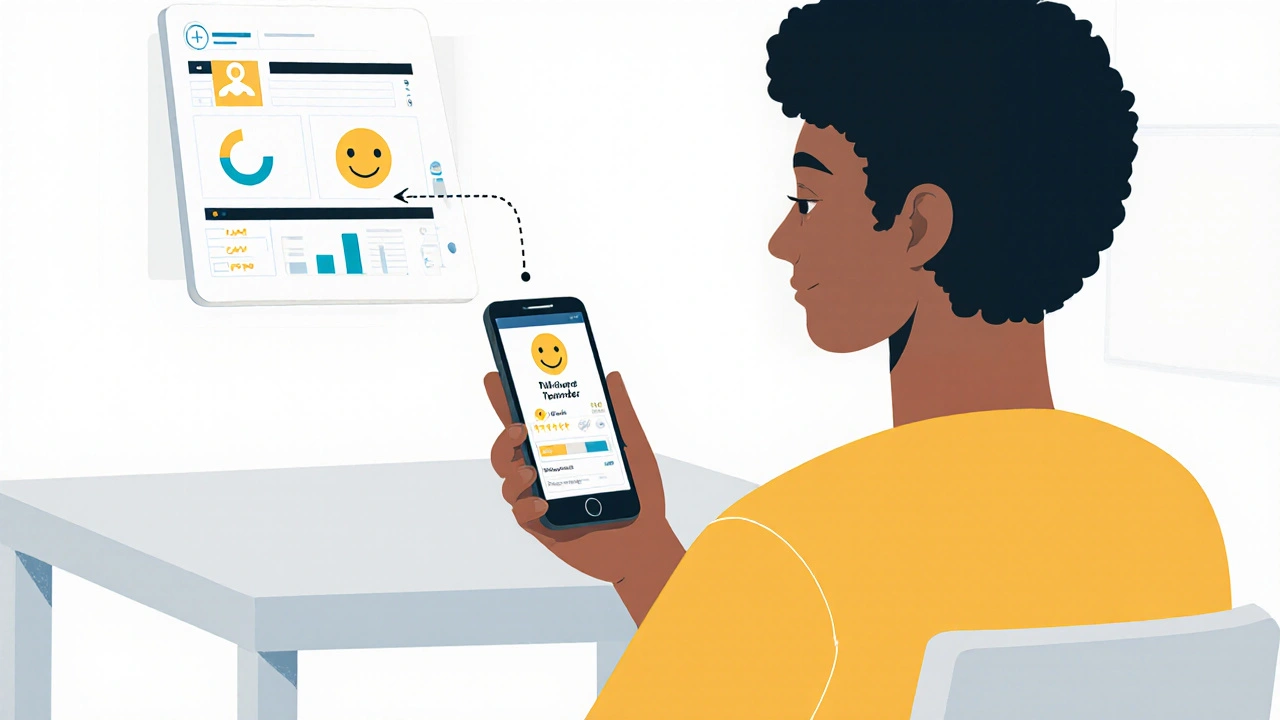
Several recent studies, including a 2024 multicenter trial in the UK, examined patients with schizophrenia who took aripiprazole and used a mood‑tracking app (named “MoodSpot”). Over 12 weeks, the app‑augmented group showed a 12 % higher reduction in PANSS (Positive and Negative Syndrome Scale) scores compared with medication alone. Similar benefits were observed in bipolar patients using a CBT‑based app called “MindLift,” where relapse rates dropped from 28 % to 17 %.
Key take‑aways from the research:
- Digital monitoring leads to earlier detection of adverse events, cutting discontinuation rates by roughly 8 %.
- Patients who receive push‑notification reminders are 1.4 times more likely to maintain >80 % adherence.
- Clinicians who can view app‑generated dashboards report higher confidence in medication adjustments.
While the data are promising, the effect size is modest, and benefits hinge on selecting an app with clinical validation and patient commitment.
Choosing the Right App: A Practical Checklist
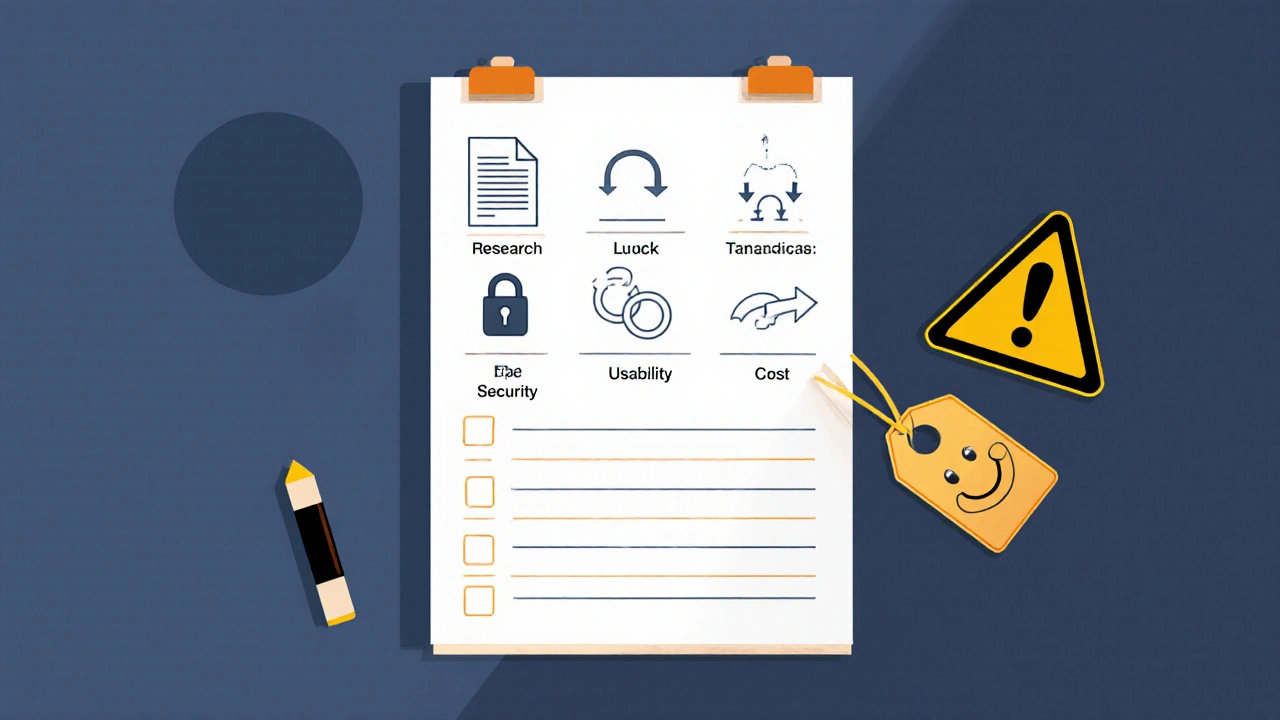
Not every mental‑health app is created equal. Use the following checklist before you hit “download”:
- Clinical evidence - peer‑reviewed studies supporting efficacy for your condition.
- Data security - GDPR‑compliant encryption and clear privacy policy.
- Integration - ability to share logs with your psychiatrist or GP via secure portal.
- Usability - intuitive interface, customizable reminders, and offline mode.
- Cost - transparent pricing; many NHS‑endorsed apps are free or low‑cost.
Below is a side‑by‑side comparison of three popular options as of October 2025.
| App | Primary Focus | Evidence Base (2023‑2025) | Cost (UK) | Key Integration Feature |
|---|---|---|---|---|
| MindDoc | CBT & Psycho‑education | RCT, n=284, showed 15 % symptom reduction when paired with antipsychotics | £4.99/month | Secure NHS Direct link for data sharing |
| MoodSpot | EMA & Mood tracking | Observational, 2024 UK cohort, 12 % lower PANSS scores | Free (premium £2.99/mo) | Exportable CSV for clinician review |
| eMoods | Medication adherence & reminders | Meta‑analysis 2023, 1.4× adherence increase | £0 (ad‑supported) | Direct messaging with prescriber |
Step‑by‑Step: Integrating an App with Aripiprazole Therapy
- Talk to your prescriber. Mention you want to use a digital tool and ask for approved options.
- Pick an app that meets the checklist above. For schizophrenia, MoodSpot is frequently recommended.
- Set up the app on the same device you use for daily routines. Enable push notifications for medication reminders.
- Enter baseline data: current dose, side‑effects, and recent mood scores. This creates a reference point.
- Log daily - even a quick 30‑second rating of mood, anxiety, and sleep quality.
- Review weekly reports with your therapist or psychiatrist. Adjust dose or add coping strategies as needed.
- Monitor side‑effects. If the app flags worsening akathisia or insomnia, contact your clinician immediately.
Consistency is the game‑changer. Missing a few days rarely breaks the trend, but regular logging builds a data set that guides precise medication tweaks.
Risks, Pitfalls, and How to Avoid Them
Digital tools are powerful, but they come with their own set of challenges.
- Privacy breaches - always verify GDPR compliance. Look for apps that store data on secure servers, not just on the phone.
- Over‑reliance on self‑diagnosis - an app can highlight patterns, but it cannot replace professional evaluation, especially when severe psychosis emerges.
- App fatigue - if daily prompts feel intrusive, reduce frequency or switch to a simpler tracker.
- Data overload for clinicians - provide concise summaries rather than raw logs; many apps now generate one‑page PDFs.
In short, treat the app as an extension of your treatment plan, not a standalone cure.
Frequently Asked Questions
Can an app replace my psychiatrist?
No. Apps are supplemental tools. They can help you track symptoms and remind you to take medication, but only a qualified clinician can diagnose, prescribe, and adjust treatment.
Is it safe to use an app while on aripiprazole?
Yes, as long as the app complies with data‑security standards and you discuss its use with your prescriber. The medication itself is not affected by the app, but the app can help you notice side‑effects sooner.
Do I need a smartphone to benefit?
A smartphone or tablet is the most common platform, but some apps also have web portals you can access from a computer. Check the app’s device compatibility before committing.
What if I forget to log my mood?
Most apps allow you to back‑fill entries for the past 24‑48 hours. However, regular logging builds the most reliable picture, so try to make it part of a daily routine like brushing your teeth.
Are there free apps that work well with aripiprazole?
Yes. eMoods offers a free version with basic reminder and adherence features. For more advanced CBT modules, a modest subscription may be required, but many NHS trusts provide access to licensed versions at no cost.
When used thoughtfully, aripiprazole plus a well‑chosen mental health app can give you a clearer view of how you’re feeling day‑to‑day and help your care team fine‑tune treatment. Start the conversation with your clinician today and see if a digital companion fits your recovery plan.


Written by Felix Greendale
View all posts by: Felix Greendale