
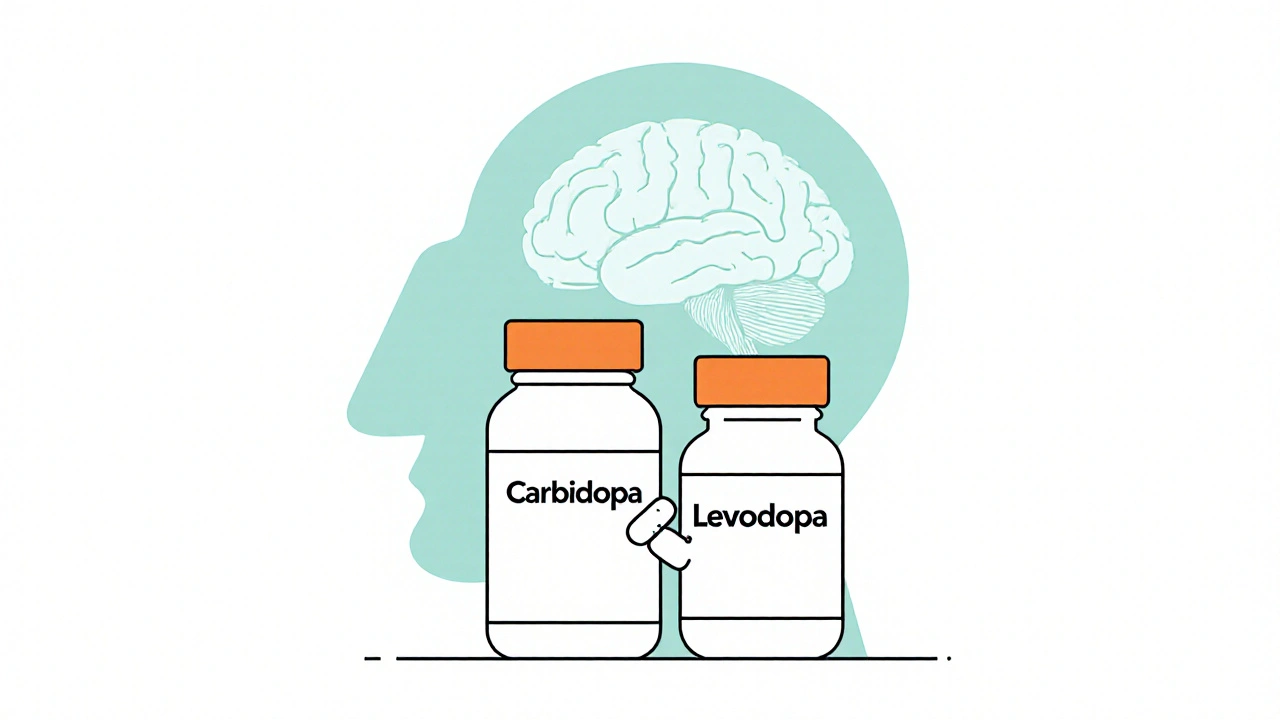
When you’re managing Parkinson’s disease, Carbidopa-Levodopa is the cornerstone therapy that most neurologists prescribe. Yet the moment you add another pill, supplement, or even a new food, the risk of unwanted reactions spikes. This guide walks you through the most common and surprising interactions, shows how to spot red‑flag symptoms, and offers practical steps to keep your regimen safe.
What Makes Carbidopa-Levodopa Unique?
Levodopa is a synthetic form of dopamine, the brain chemical that dwindles in Parkinson’s disease. Because dopamine can’t cross the blood‑brain barrier on its own, levodopa needs a partner. That partner is Carbidopa, which blocks the enzyme that converts levodopa to dopamine before it reaches the brain. By staying in the periphery, carbidopa lets more levodopa get inside, lowering the dose required and reducing nausea.
Why Drug Interactions Matter
Even a tiny shift in how much levodopa reaches the brain can change motor control, mood, or blood pressure. Interactions usually happen in three ways:
- Pharmacokinetic: Another drug speeds up or slows down levodopa’s absorption or breakdown.
- Pharmacodynamic: Two agents act on the same receptors, amplifying or blunting each other’s effect.
- Protein‑binding: Some meds compete for the same plasma proteins, freeing up more levodopa.
Understanding these mechanisms helps you predict side‑effects before they become emergencies.
High‑Risk Medication Classes
The following groups are the most frequently reported culprits. Each entry includes the interaction type, what you might feel, and a practical mitigation tip.
| Drug / Substance | Interaction Type | Typical Symptoms | Management Strategy |
|---|---|---|---|
| MAO‑B inhibitors | Pharmacodynamic - additive dopamine effect | Hypertension, severe headache, nausea, sweating | Space dosing by at least 14 days; consider switching to a different adjunct |
| COMT inhibitors | Pharmacokinetic - prolongs levodopa half‑life | Fluctuating “on‑off” periods, dyskinesia | Monitor motor response, adjust levodopa dose gradually |
| Anticholinergics | Pharmacodynamic - opposite neurotransmitter actions | Blurred vision, dry mouth, confusion | Use lowest effective dose; review need regularly |
| Antidepressants (SSRIs, SNRIs) | Pharmacodynamic - serotonin‑dopamine interplay | Increased tremor, mood swings, rare serotonin syndrome | Start with low dose, watch for mood changes, consider non‑serotonergic options |
| Antipsychotics (especially typicals) | Pharmacodynamic - dopamine blockade | Worsened rigidity, bradykinesia, reduced levodopa efficacy | Prefer atypical agents; if unavoidable, increase levodopa cautiously |
| Iron supplements | Pharmacokinetic - chelation reduces levodopa absorption | Reduced “on” time, more “off” periods | Separate dosing by at least 2 hours; consider liquid iron forms |
| High‑protein meals | Pharmacokinetic - competition for intestinal transporters | Delayed onset, shorter duration of effect | Take medication 30 minutes before or 1 hour after protein‑rich foods |
| Vitamin C (ascorbic acid) | Pharmacokinetic - enhances levodopa absorption | Potentially stronger “on” periods, risk of dyskinesia | Limit high‑dose vitamin C supplements; discuss with clinician |
Over‑the‑Counter (OTC) and Lifestyle Triggers
Beyond prescription meds, everyday items can tip the balance. Common offenders include:
- Caffeine: May increase levodopa’s absorption but also raise tremor in sensitive individuals.
- Alcohol: Can amplify dizziness and orthostatic hypotension, especially when combined with dopamine‑boosting drugs.
- Antacids (magnesium‑based): Reduce levodopa uptake; stagger dosing.
Keep a simple log-what you ate, supplements taken, and any symptom shift. Patterns emerge quickly when you write them down.
How to Spot a Problem Early
When an interaction sneaks in, the first sign is usually a change in motor control. Watch for:
- Sudden “off” episodes lasting longer than usual.
- New or worsening dyskinesia (involuntary movements).
- Unexplained blood‑pressure dips-light‑headedness when standing.
- Mood swings, anxiety, or hallucinations that weren’t there before.
- Gastrointestinal upset that persists despite usual anti‑nausea measures.
If any of these appear after adding a new drug or supplement, contact your neurologist within 24 hours. Early tweaks prevent hospital visits.
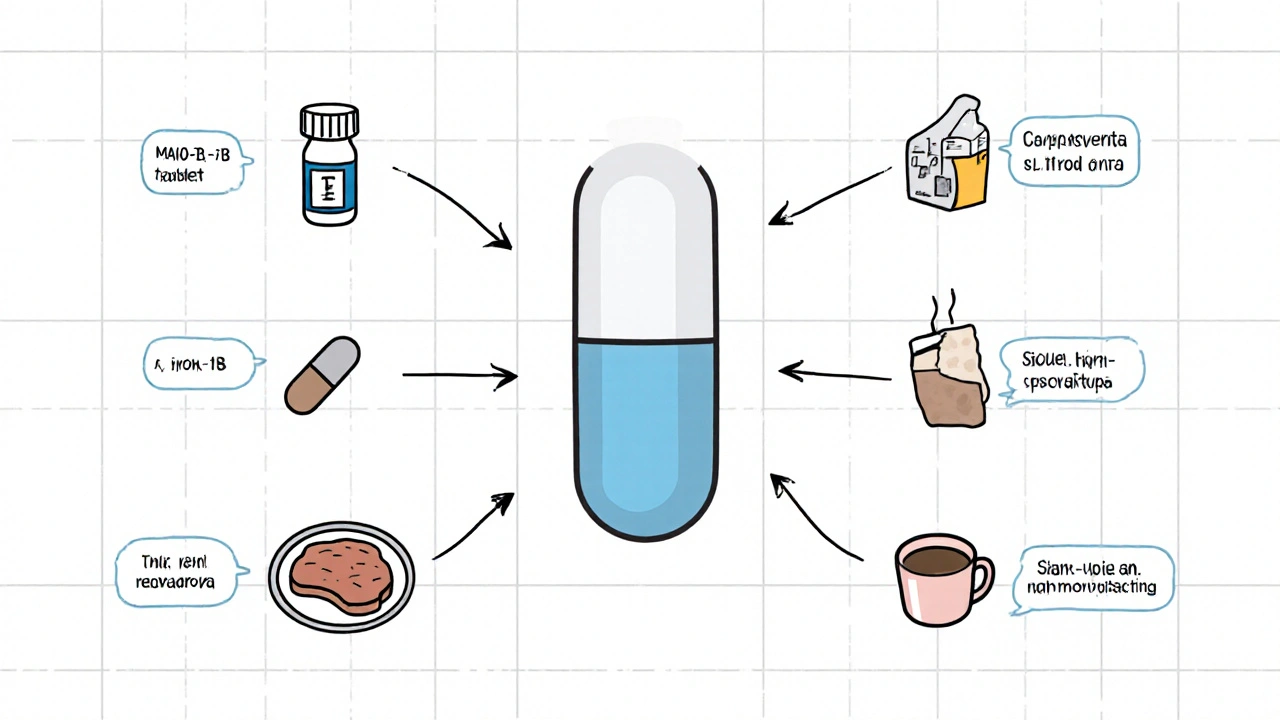
Practical Tips for Managing Interactions
- Use a single pharmacy. Pharmacists can flag potential clashes before a prescription is filled.
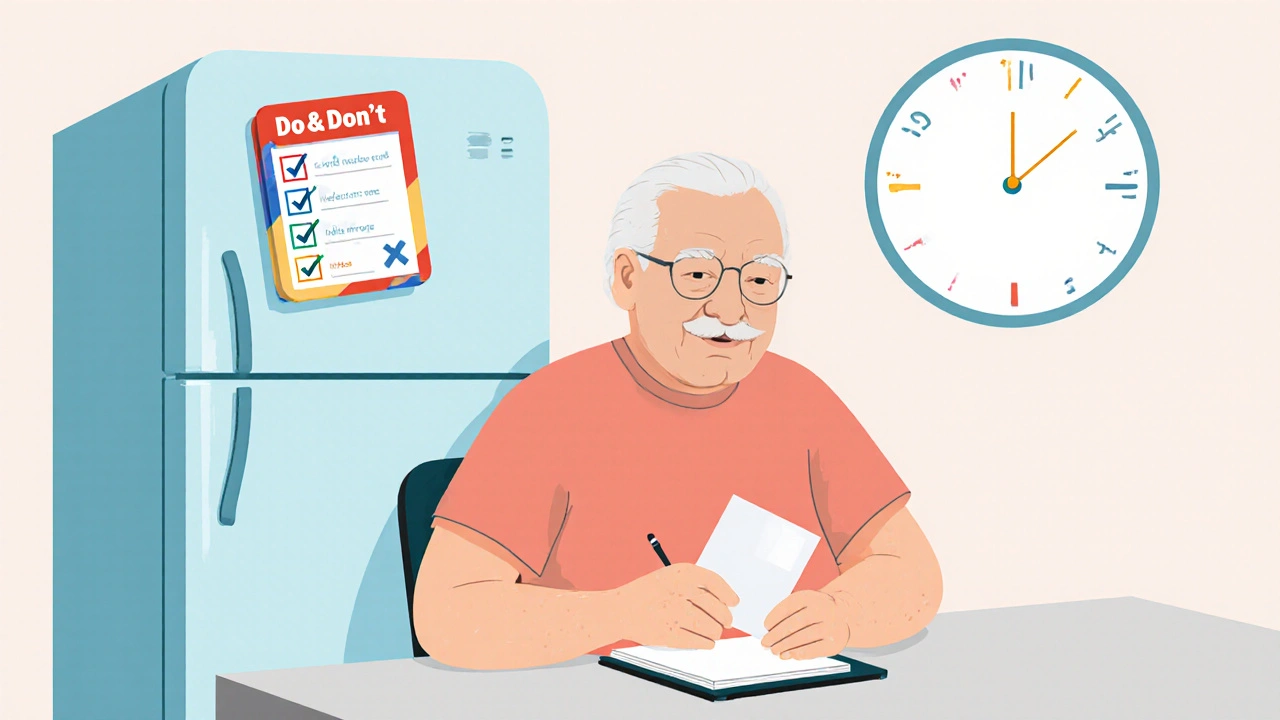
- Maintain a medication card. List every pill, dose, and timing; keep it on your fridge.
- Schedule levodopa consistently. Take it at the same times each day, preferably on an empty stomach.
- Separate iron and levodopa. Two‑hour gaps are enough to avoid chelation.
- Talk to your doctor before any new supplement. “Natural” doesn’t mean safe when dopamine is in the mix.
These habits cut the chance of surprise side‑effects by more than half, according to a 2023 cohort study of 1,200 Parkinson’s patients.
When an Interaction Requires a Dose Change
Sometimes the safest move is to fine‑tune the levodopa dose. Here’s a step‑by‑step plan you can discuss with your prescriber:
- Identify the offending agent (e.g., start of a COMT inhibitor).
- Record baseline “on” time over three consecutive days.
- Reduce levodopa by 25 mg increments every 3-5 days while monitoring motor function.
- Re‑assess “on” time and dyskinesia severity after each adjustment.
- Once stable, consider adding a low‑dose adjunct (e.g., amantadine) if dyskinesia persists.
Never make changes on your own; even small tweaks can swing you from “off” to “on‑off” chaos.
Special Populations
Older adults, pregnant women, and individuals with renal impairment have different tolerances.
- Older adults: Slower gastric emptying makes them more prone to protein‑related delays. A low‑protein diet in the evening often helps.
- Pregnancy: Data are limited, but most clinicians keep levodopa at the lowest effective dose and avoid MAO‑B inhibitors.
- Renal disease: Accumulation of active metabolites may increase side‑effects; dose reductions may be necessary.
Always bring these factors to your clinician’s attention during medication reviews.
Quick Reference Cheat Sheet
| Do | Don’t |
|---|---|
| Take levodopa 30 min before protein‑rich meals. | Mix levodopa with iron or calcium supplements. |
| Review all meds with your pharmacist each refill. | Start a new over‑the‑counter supplement without checking. |
| Keep a symptom‑medication log. | Adjust levodopa dose on your own. |
| Ask about alternative antidepressants if you’re on SSRIs. | Combine typical antipsychotics with levodopa unless unavoidable. |
Bottom Line
The power of carbidopa‑levodopa interactions lies not in the chemistry alone but in the everyday choices you make-what you eat, which vitamins you pop, and how you coordinate appointments. By staying aware, documenting, and keeping open lines with your care team, you can protect the delicate balance that lets you move more freely each day.
Can I take a multivitamin with Carbidopa‑Levodopa?
Most multivitamins contain iron or calcium, which can bind levodopa and lower its absorption. If you need a multivitamin, choose a iron‑free formula and take it at least two hours apart from your dose.
Do dietary proteins affect Levodopa effectiveness?
Yes. Large amounts of protein compete with levodopa for the same transporters in the gut. A practical trick is to have your medication on an empty stomach and schedule protein‑heavy meals later in the day.
Is it safe to combine MAO‑B inhibitors with Carbidopa‑Levodopa?
Combining them can cause dangerously high dopamine levels, leading to hypertensive crises. If a clinician decides the benefit outweighs risk, they must enforce a minimum 14‑day wash‑out period after stopping the MAO‑B inhibitor.
Why does my blood pressure drop after taking Carbidopa‑Levodopa?
Levodopa can cause vasodilation, especially when you stand quickly. Hydration, slow position changes, and sometimes a low dose of fludrocortisone can help manage orthostatic hypotension.
Can antidepressants worsen Parkinson’s symptoms?
Selective serotonin reuptake inhibitors (SSRIs) can sometimes increase tremor or dyskinesia. If you notice new shaking after starting an SSRI, discuss switching to a serotonin‑norepinephrine reuptake inhibitor (SNRI) or a non‑serotonergic option with your neurologist.


Written by Felix Greendale
View all posts by: Felix Greendale