
When a brand-name drug loses its patent, you’d expect generic versions to flood the market quickly-lowering prices and giving patients more choices. But that’s not always what happens. For years, the first company to challenge a brand-name drug’s patent has been rewarded with something powerful: 180 days of exclusive rights to sell its generic version. No other generic can enter during that time. This rule, called the 180-day exclusivity, was built into U.S. law back in 1984 under the Hatch-Waxman Act. It was meant to speed up generic access. But in practice, it’s become a complex, sometimes broken, system that affects how much you pay for medicine.
Why the 180-Day Rule Exists
The 180-day exclusivity wasn’t designed to protect companies-it was meant to reward them for taking risks. Developing a generic drug isn’t cheap. Companies have to prove it works just like the brand-name version, but they also have to challenge patents that might be blocking them. That’s where Paragraph IV certifications come in. When a generic maker files an Abbreviated New Drug Application (ANDA) and says a patent is invalid or won’t be infringed, they’re taking legal risk. If they lose in court, they could owe millions. But if they win, they get 180 days alone on the market.This exclusivity is the only real financial upside for generic companies willing to fight patent battles. Without it, few would bother. The FDA estimates that since 1984, this system has helped bring over 14,000 generic drugs to market. Today, 90% of prescriptions in the U.S. are filled with generics. That’s a huge win for consumers-because generics cost, on average, 80% less than brand-name drugs.
How the Clock Starts (and Sometimes Never Stops)
Here’s where things get tricky. The 180-day clock doesn’t start when the FDA approves the drug. It starts when the company actually begins selling it-or when a court rules in their favor. That’s a big deal. Some companies get approval but wait months-or even years-to launch. Why? Because if they launch too soon, they risk losing exclusivity if a patent appeal flips the court’s decision. So they sit on it. Meanwhile, no other generic can enter. The brand-name drug keeps selling at full price. Patients pay more. And the clock keeps ticking, even if the generic isn’t on shelves.In 2023, the Federal Trade Commission found 37 cases where companies received exclusivity but delayed launching for over 18 months. That’s not a glitch-it’s a strategy. One study showed that the average time between filing a patent challenge and launching a generic is 42 months. That’s over three and a half years. The law meant to shorten that wait. Instead, it sometimes extends it.
Who Gets the Exclusivity-and Who Loses It
It’s not just about who files first. If two or more companies file their ANDAs on the same day with a Paragraph IV challenge, they all share the 180 days. That’s called “shared exclusivity.” In the case of apixaban generics in 2020, six companies qualified. Only three ended up launching. The other three lost their chance because they didn’t act fast enough.Forfeiture is common. About 35% of first applicants lose their exclusivity because they don’t launch within 75 days of getting a notice that they can market the drug. The FDA says this is a clear rule. But in real life, the timing is messy. Some companies wait for insurance coverage to catch up. Others wait for manufacturing to scale. Some just don’t want to risk a lawsuit. The result? The exclusivity period ends before the drug ever hits pharmacies.
The Big Problem: Market Power and Consolidation
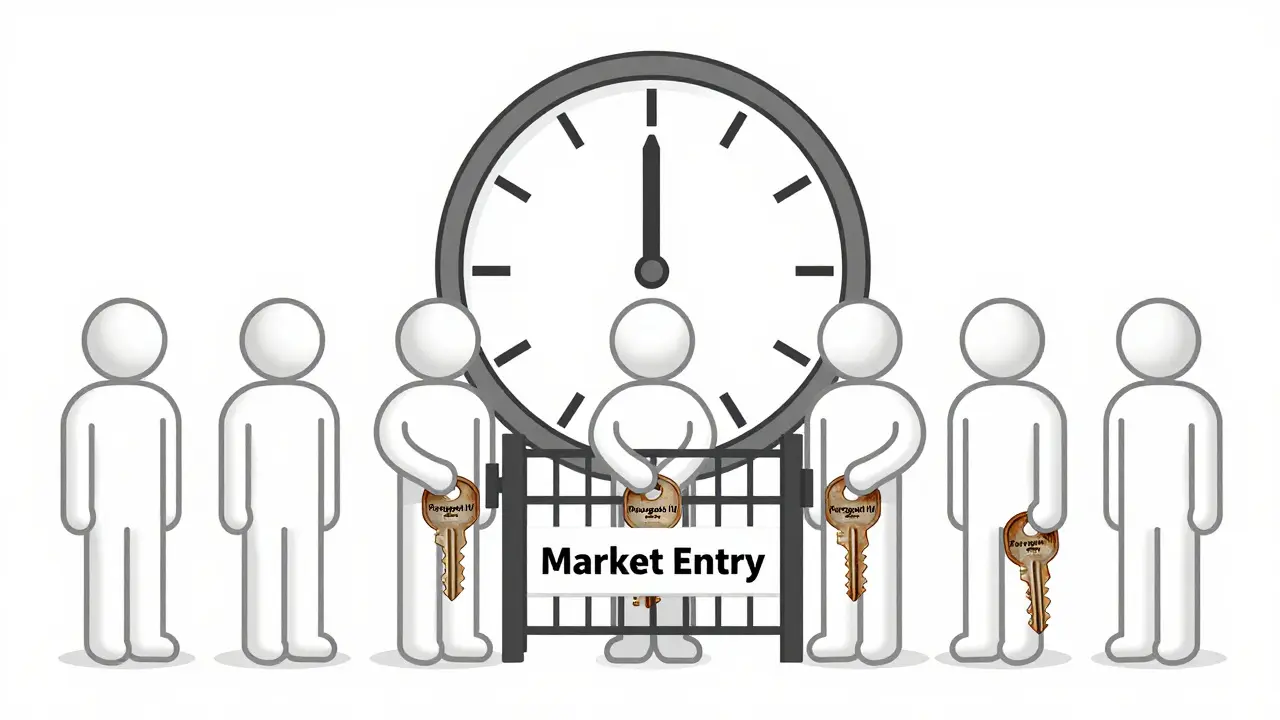
The 180-day exclusivity isn’t evenly distributed. A handful of big generic manufacturers control most of it. Between 2018 and 2023, the top five-Teva, Viatris, Sandoz, Amneal, and Hikma-got 58% of all exclusivity periods. Smaller companies struggle to compete. The legal costs alone can be $10 million or more. That’s why many small firms rely on this exclusivity as their only shot at making a profit.But here’s the irony: when big companies hold exclusivity and delay launch, they’re not just protecting their own profits-they’re blocking competitors. The brand-name drug stays on the market longer. Prices stay high. The system was supposed to break monopolies. Sometimes, it reinforces them.
What’s Being Done to Fix It
The FDA has noticed the problem. In 2022, it proposed a major change: adopt the same model used for Competitive Generic Therapies (CGT). Under the current CGT system, the 180-day clock starts only when the first generic actually hits the market. No delays. No loopholes. The clock runs for exactly 180 days from launch. That’s it.That change would force companies to launch quickly or lose their advantage. The Congressional Budget Office estimates this reform could save $5.3 billion a year by speeding up generic entry by an average of 8.2 months per drug. The Federal Trade Commission supports it too. In 2024, they called out 37 cases of delay and urged the FDA to enforce the rules tighter.
But not everyone agrees. Generic manufacturers warn that if the exclusivity becomes less valuable, fewer companies will take on risky patent challenges. That could mean fewer generics overall. And for small companies, that’s a real threat. Right now, 63% of small generic firms say the 180-day exclusivity is the main reason they even try to enter the market.
What This Means for Patients
You don’t need to understand patent law to feel the impact. When a generic drug launches, prices drop fast. During the 180-day exclusivity window, the first generic usually sells at 15-20% of the brand’s price. Once other generics join, prices plunge to 9-12%. That’s the real competition the system was meant to create.But when exclusivity is delayed, patients pay more for longer. The Rand Corporation found that in 2023, patients paid $13 billion extra each year because of delays in generic entry. That’s not just a number-it’s people skipping doses, choosing between medicine and rent, or paying out of pocket for drugs that should be cheap.
There’s a reason 97% of brand-name drugs now have generic versions. The Hatch-Waxman Act worked. But the 180-day exclusivity rule is wearing thin. It’s still useful. But it’s also being misused. The fix isn’t to scrap it-it’s to make sure it works the way it was supposed to: to get affordable drugs into patients’ hands as fast as possible.
What’s Next?
The debate isn’t over. Congress is considering bills like the Preserve Access to Affordable Generics and Biosimilars Act, which would crack down on fake patent challenges. The FDA is pushing for reform. And patients are watching.If the CGT model is adopted, we could see 900-950 generic drugs launch each year by 2027-up from 750-800 now. That’s more choices. Lower prices. Faster access. But only if the rules are enforced fairly.
For now, the 180-day exclusivity remains a double-edged sword. It’s helped bring down drug costs for millions. But when used as a tool to delay competition, it hurts the very people it was meant to help.
What is the 180-day exclusivity for generic drugs?
It’s a legal incentive given to the first generic drug company that successfully challenges a brand-name drug’s patent. During this 180-day period, no other generic versions of the same drug can be approved or sold by the FDA. The clock starts either when the generic is first commercially marketed or when a court rules the patent is invalid or not infringed.
Who qualifies for the 180-day exclusivity?
The first company (or companies) to file an Abbreviated New Drug Application (ANDA) with a Paragraph IV certification-that is, a legal challenge to a listed patent-qualifies. If multiple companies file on the same day, they all share the exclusivity period. Only those who actually launch the drug within required timeframes keep the benefit.
Can a company lose its 180-day exclusivity?
Yes. Exclusivity can be forfeited if the company doesn’t market the drug within 75 days of receiving a Notice of Commercial Marketing (NOCM), or if they don’t get tentative approval within 30 months of filing the patent challenge. About 35% of first applicants lose their exclusivity this way.
Why do some generic companies delay launching after getting approval?
Some delay to avoid risk. If a patent appeal overturns the court’s decision, they could lose exclusivity. Others wait for better pricing conditions or to coordinate with distributors. Delays can last over a year, which blocks other generics from entering and keeps brand-name drug prices high.
How does this affect drug prices?
During the 180-day exclusivity, the first generic usually sells at 15-20% of the brand’s price. Once other generics enter, prices drop to 9-12%. Delays in launch mean patients pay higher prices for longer. The Federal Trade Commission estimates that delays cost patients $13 billion annually in extra spending.
Is the 180-day exclusivity rule going to change?
Yes. The FDA proposed in 2022 to change the rule to match the Competitive Generic Therapy (CGT) model, where the 180-day clock starts only when the drug is first marketed. This would prevent long delays. Congress is also considering bills to stop patent challenges used just to block competition. If passed, these changes could add hundreds more generic drugs to the market each year.


Written by Felix Greendale
View all posts by: Felix Greendale