
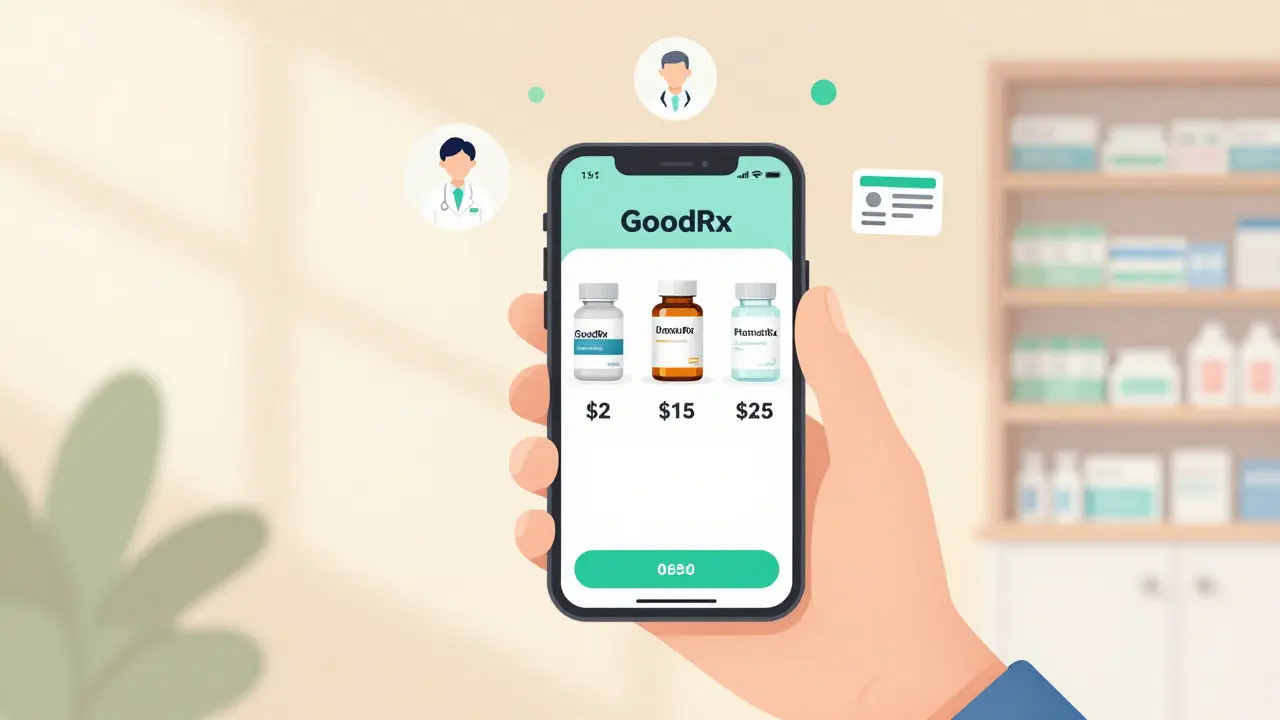
When you need a generic medication, you expect it to be cheap. But too often, the price jumps from $4 to $40 just by walking into a different pharmacy. Why? Because drug pricing in the U.S. isn’t simple-it’s a maze of rebates, markups, and hidden deals between manufacturers, pharmacy benefit managers, and insurers. The good news? You don’t have to guess anymore. There are real tools that show you exactly what you’ll pay before you even fill the prescription.
What Exactly Is Generic Price Transparency?
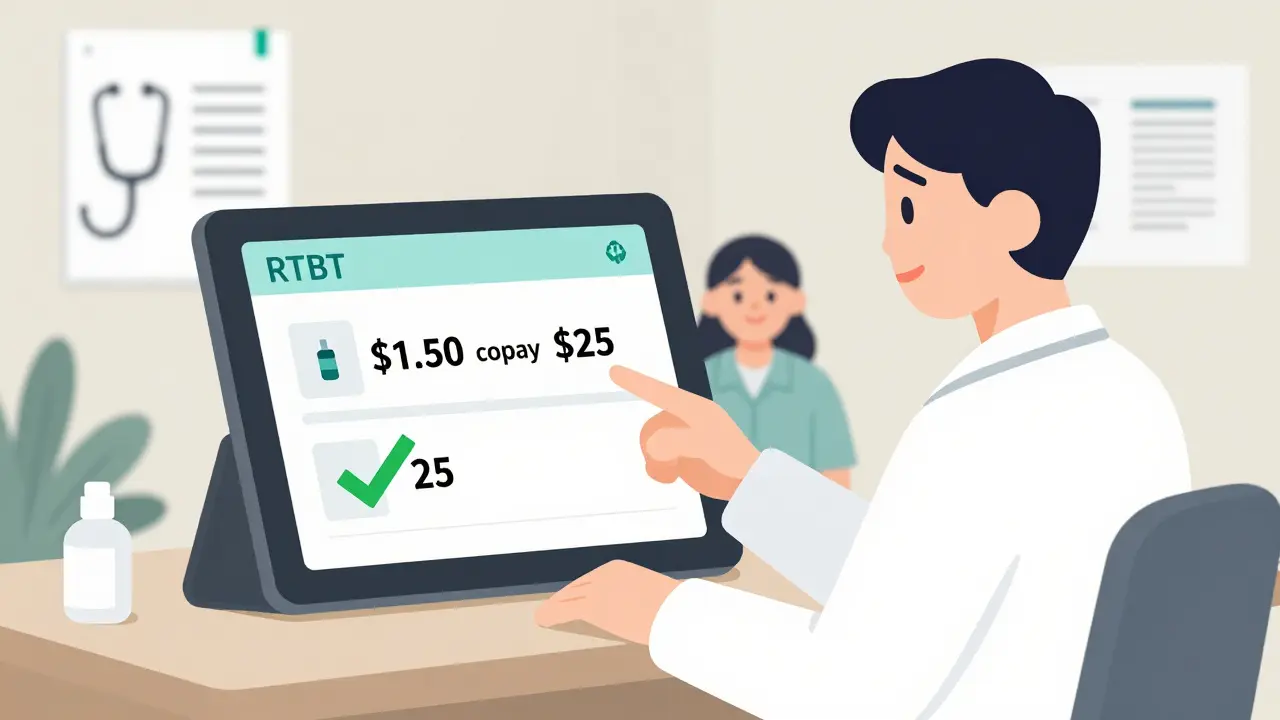
Generic price transparency means seeing the actual price you’ll pay out-of-pocket for a medication before you get to the pharmacy. It’s not about the list price you see on a billboard or the wholesale cost manufacturers charge. It’s about your real cost after insurance, coupons, and rebates are applied. For example, a 30-day supply of metformin might be listed at $12.99, but your plan could make you pay $1.50-or $25-if you’re not using the right pharmacy or coupon. Transparency tools cut through the noise and show you the true price.How These Tools Actually Work
There are two main types of tools: one for doctors and one for patients. Doctors use Real-Time Benefit Tools (RTBTs) built into electronic health records like Epic and Cerner. When they write a prescription, the system checks your insurance plan in real time and shows alternatives with lower copays. CoverMyMeds and Surescripts power most of these systems. In 2025, about 42% of U.S. physician practices use them-and those who do report patients saving an average of 37% on out-of-pocket costs by switching to cheaper generics. For patients, apps like GoodRx, SingleCare, and RxSaver work differently. They scan prices across hundreds of pharmacies and show you the lowest cash price-even if you don’t have insurance. These tools pull data from pharmacy networks and sometimes offer printable coupons that can cut your bill by 80%. GoodRx alone is accepted at over 70,000 pharmacies nationwide.Why Prices Vary So Much Between Pharmacies
It’s not random. Pharmacies don’t set their own prices for generics. Pharmacy Benefit Managers (PBMs) like CVS Caremark, Express Scripts, and OptumRx negotiate bulk deals with drugmakers and then set Maximum Allowable Cost (MAC) prices that pharmacies must follow. But here’s the catch: MAC prices aren’t public. So two CVS locations 10 miles apart might charge different amounts because one is using a different PBM contract. Add in state laws, pharmacy loyalty programs, and cash discount plans, and the same pill can cost $2 in one town and $22 in another. A 2025 report from the Minnesota Star Tribune showed a patient paying $31 for levothyroxine at one pharmacy and just $3.50 at another-just by switching. That’s a $287 annual savings. Tools like GoodRx make it easy to find those gaps.Top Tools to Compare Generic Drug Prices
- GoodRx: The most popular app. Shows cash prices, coupons, and even free shipping options. Accepted at 90% of U.S. pharmacies. Users report saving an average of $15 per prescription.
- SingleCare: Free to use, no ads. Partners directly with pharmacies to lock in discounted prices. Often cheaper than GoodRx for certain generics.
- RxSaver: Simple interface, great for older users. Offers price comparisons and printable coupons.
- HealthSparq: Used by large employers and insurers. Shows your exact copay based on your plan. Best if you’re covered through work.
- Medicare Plan Finder: For seniors. Lets you compare Part D plans based on your specific medications.
Pro tip: Always check two apps before filling a prescription. Sometimes GoodRx has the lowest price, other times SingleCare wins. Don’t assume one is always better.
What’s Missing: The Rebate Black Box
Here’s the big problem: these tools don’t show you the full picture. The real cost of a drug-the price after rebates-is hidden. Manufacturers give PBMs huge discounts (sometimes 70% off list price) to get their drugs on insurance formularies. But you never see that discount. All you see is your copay. That’s why a $100 drug might cost you $10, but the insurer paid $30 after the rebate. The system rewards volume, not value. Transparency tools can’t fix that. They only show what’s left after the rebate is already applied.How to Use These Tools Like a Pro
- Check prices before your doctor writes the script. Ask: “Is there a generic? What’s the cheapest version?”
- Use your pharmacy’s app. Many local pharmacies have their own discount programs.
- Call ahead. If an app says $4, call the pharmacy. Sometimes their system hasn’t updated.
- Ask about patient assistance programs. Companies like RxAssist help low-income patients get free meds.
- Don’t pay cash if you have insurance. Sometimes your insurance price is lower than the GoodRx coupon.
One study in Health Affairs found that when patients saw real-time prices, they chose generics 8.2% more often. That’s not just savings-it’s better health. If you can’t afford your med, you won’t take it.
State Laws Are Changing the Game
As of 2025, 23 states have passed laws requiring drugmakers to report price hikes. California requires disclosure if a generic price jumps more than 16% in two years. Minnesota created a Prescription Drug Affordability Board to review costs and cap prices. These laws don’t fix everything, but they’re forcing manufacturers to justify price spikes. Some states even require pharmacies to show you the cash price before you pay.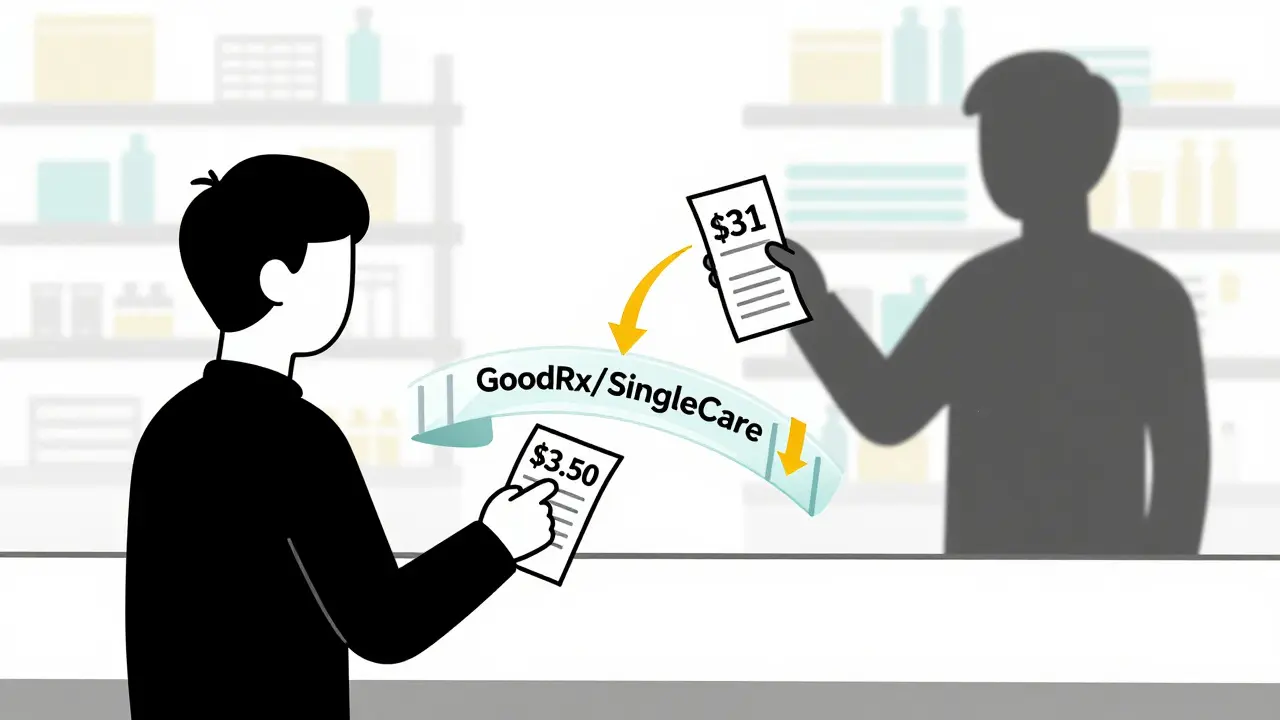
Why This Matters for Your Health
High drug costs aren’t just about money-they’re about adherence. A 2025 survey found that 3 in 10 Americans skip doses or split pills because they can’t afford them. Tools that show you the lowest price help you stick to your treatment. If you’re on blood pressure meds, diabetes drugs, or thyroid hormones, missing doses can land you in the hospital. A $5 difference on a monthly script can mean the difference between staying healthy and facing a costly emergency.What’s Next?
In January 2025, the U.S. Senate introduced the Drug-price Transparency for Consumers Act (S.229). If passed, it would require drug ads on TV to show the wholesale cost of a 30-day supply. That’s a big step. Right now, you see celebrities saying “Ask your doctor about X” with no price attached. Soon, you might see: “$42 for a 30-day supply.” It won’t solve everything-but it’ll make the system a little less opaque.For now, the power is in your hands. Don’t just accept the first price you’re given. Use a tool. Call a few pharmacies. Ask your pharmacist. You’re not just saving money-you’re taking control of your care.
Why is the same generic drug so expensive at one pharmacy and cheap at another?
Pharmacies don’t set their own prices for generics. Pharmacy Benefit Managers (PBMs) negotiate bulk deals with drugmakers and set Maximum Allowable Cost (MAC) prices that pharmacies must follow. These prices vary by contract, location, and PBM. Some pharmacies also offer cash discounts or loyalty programs that lower prices further. Always compare using tools like GoodRx or SingleCare before paying.
Do I need insurance to use price comparison apps?
No. Apps like GoodRx, SingleCare, and RxSaver show you the lowest cash price-no insurance required. In fact, sometimes the cash price is lower than your insurance copay, especially for generics. Always check both options before paying.
Can I trust the prices shown on these apps?
Most are reliable, but always call the pharmacy before you go. Sometimes the app’s data is outdated, or the pharmacy’s system hasn’t synced. One user reported GoodRx showing $4 for a drug, but the pharmacy charged $15. Calling ahead saves time and frustration.
Are generic drugs as effective as brand-name ones?
Yes. The FDA requires generics to have the same active ingredients, strength, dosage form, and route of administration as the brand-name version. They must also meet the same quality and safety standards. The only differences are in inactive ingredients (like fillers) and packaging. Generics save you money without sacrificing effectiveness.
What if I can’t afford my medication even with discounts?
Many drug manufacturers offer patient assistance programs that provide free or low-cost meds to those who qualify. Websites like RxAssist.org list programs by drug name. You’ll need income documentation, but the process is straightforward. In 2024, 78% of applicants successfully received their medication through these programs.
Next Steps: What to Do Today
- Download GoodRx or SingleCare on your phone.
- Search for your most common generic medication.
- Call three nearby pharmacies and compare the cash prices.
- Ask your doctor if there’s a lower-cost generic alternative.
- If you’re on Medicare, use the Medicare Plan Finder to see if switching plans could save you money.
Price transparency isn’t perfect-but it’s the best tool you have. Use it. Your wallet-and your health-will thank you.


Written by Felix Greendale
View all posts by: Felix Greendale