
SGLT2 Infection Risk Calculator
Risk Assessment Tool
Enter your habits to see how they affect your infection risk. Based on clinical studies showing 40% risk reduction with proper hygiene.
Your Risk Assessment
Enter your habits to see your personalized risk level.
If you're taking an SGLT2 inhibitor like dapagliflozin, canagliflozin, or empagliflozin for type 2 diabetes, you’ve likely heard about the risk of genital infections. It’s not a scare tactic-it’s a real, documented side effect. About 1 in 10 women and 1 in 20 men on these drugs will get a fungal infection. But here’s the good news: most of them are preventable. You don’t need to stop the medication. You just need to change a few everyday habits.
Why SGLT2 Inhibitors Cause Genital Infections
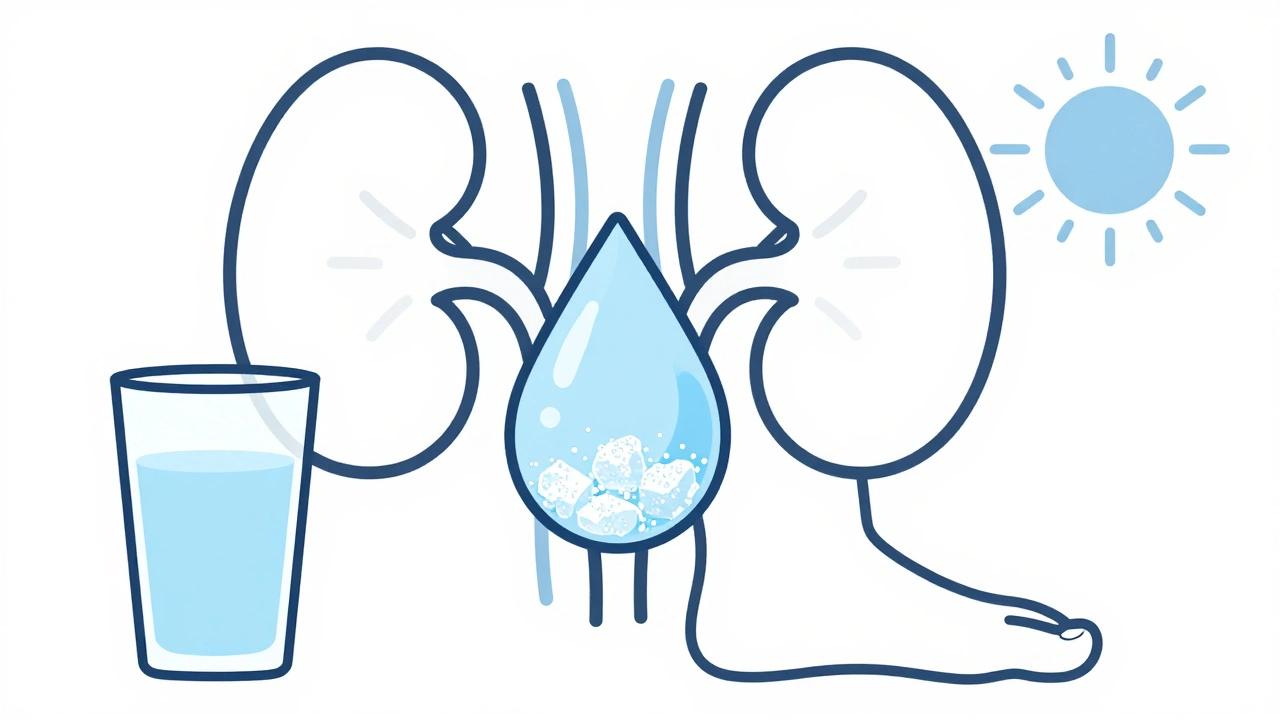
SGLT2 inhibitors work by making your kidneys dump extra sugar into your urine. That’s how they lower blood sugar. But that same sugar doesn’t just disappear-it stays in your genital area. Fungi like Candida love sugar. Warm, moist, sugary environments? Perfect breeding ground. That’s why infections happen more often with these drugs than with metformin, DPP-4 inhibitors, or GLP-1 agonists.Canagliflozin (Invokana) has the highest risk-up to 12% of women report infections. Dapagliflozin (Farxiga) and empagliflozin (Jardiance) are slightly lower, around 8-10%. Men aren’t immune either. While rates are lower, uncircumcised men face higher risk because yeast can hide under the foreskin. And yes, there’s a rare but serious risk: Fournier’s gangrene. It’s extremely uncommon-about 2 in 10,000 people-but it’s life-threatening. That’s why prevention isn’t optional.
Hygiene: The #1 Defense
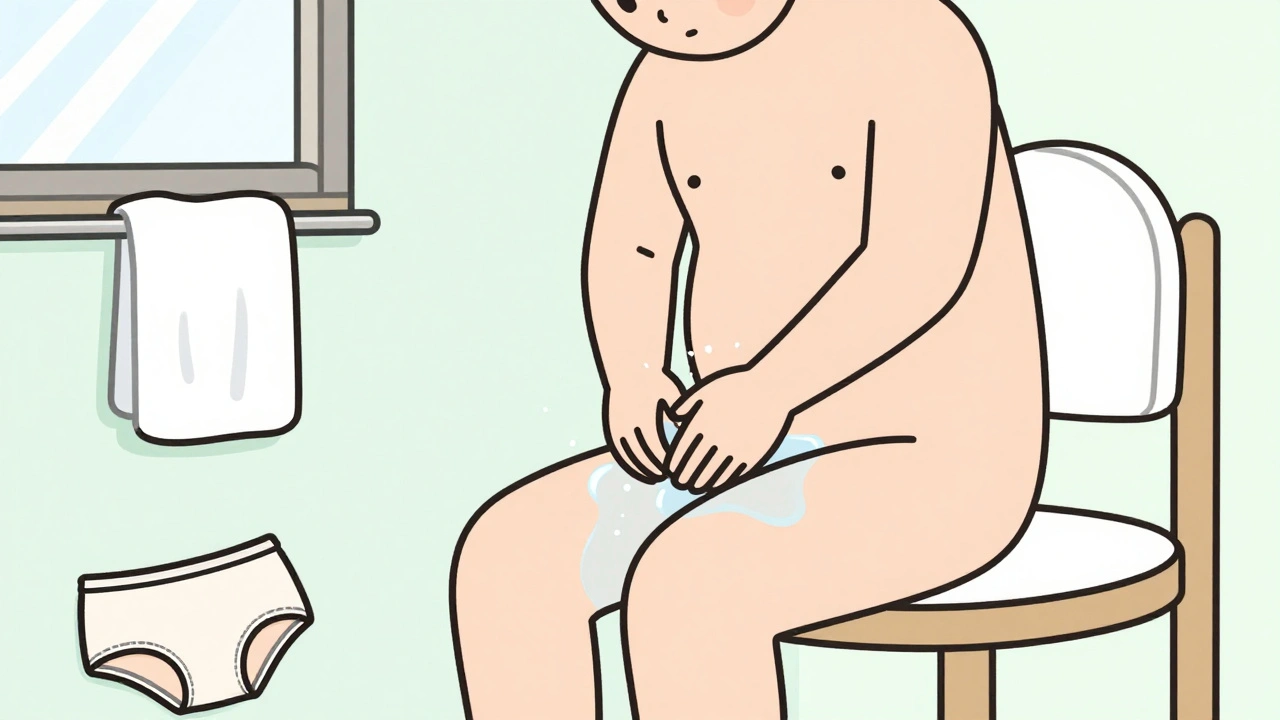
The single most effective way to prevent these infections is simple: clean properly, and clean often.After every time you urinate, rinse your genital area with clean water. No soap needed unless you’re visibly dirty. Just water. Pat dry with a clean towel. Do this again before bed. That’s it. A 2019 study found that patients who did this cut their infection risk by 40%. Those who stuck with it for 18 months had zero infections.
For women: Always wipe front to back after using the toilet. Never go backward. Bacteria from the rectum can easily travel to the urethra or vagina. For uncircumcised men: Gently pull back the foreskin and rinse underneath every time you wash. Don’t use alcohol wipes, antibacterial soaps, or douches. They strip natural oils and irritate skin, making infections worse.
Wear cotton underwear. Not synthetic. Not tight. Cotton lets air move, keeps things dry, and reduces moisture buildup. Change your underwear daily-more often if you sweat a lot. Avoid thongs, tight jeans, or leggings for extended periods. If you’re active, change out of sweaty clothes as soon as you can.
Hydration: Dilute the Sugar
The more sugar in your urine, the bigger the problem. Drinking enough water helps dilute it. Aim for 2 to 3 liters a day-unless your doctor says otherwise, especially if you have kidney issues.Dehydration concentrates urine. More sugar per drop means more food for yeast. You don’t need to chug gallons. Just sip consistently. Start with a glass when you wake up. Have one before each meal. Keep a bottle nearby. If your pee is dark yellow, you’re not drinking enough. Clear to light yellow? You’re good.
Some people think drinking more will make them pee more-and yes, it will. But that’s actually helpful. Frequent urination flushes sugar out faster. It’s not a downside. It’s part of the solution.
Timing Matters More Than You Think
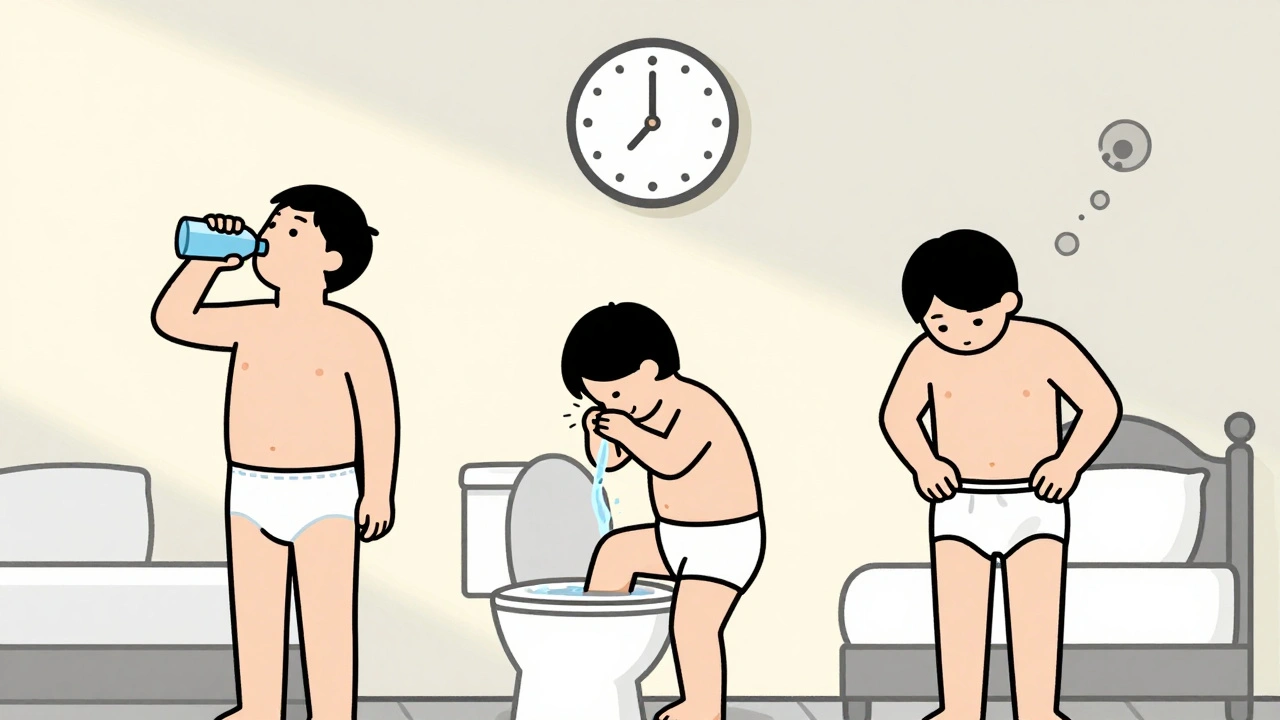
It’s not just about cleaning. It’s about when you clean.Don’t wait until you feel itchy. Don’t wait until you see discharge. By then, the infection is already growing. The key is timing: rinse immediately after urinating. That’s when sugar is fresh on the skin. Waiting even an hour lets yeast start to multiply.
Also, make it part of your routine. Link it to something you already do. Rinse after you wash your hands. After you brush your teeth. After you turn off the bathroom light. Habit stacking works. People who treat it as a separate chore forget. People who tie it to existing habits remember.
For older adults or those with mobility issues, ask for help. Use a handheld showerhead. Ask a caregiver to assist. Occupational therapy can teach safe techniques. A 2022 study showed that with proper support, technique accuracy improved by 75%.
What Not to Do
There are a lot of myths out there. Don’t:- Use scented wipes, feminine sprays, or douches
- Wear damp swimsuits or workout gear for hours
- Take antibiotics unless absolutely necessary-they kill good bacteria that keep yeast in check
- Ignore early signs: itching, redness, mild swelling, or a yeasty odor
If you notice any of these, don’t wait. See your doctor. Most infections respond to over-the-counter antifungal creams or oral fluconazole within 3-5 days. But if you have fever, severe pain, swelling, or red streaks on your skin-go to urgent care immediately. That could be Fournier’s gangrene.
Why This Matters More Than You Realize
SGLT2 inhibitors aren’t just sugar-lowering pills. They’re life-changing drugs. In large trials, they reduced heart failure hospitalizations by 38%. They slowed kidney disease progression by 30%. They helped people lose 2-3 kg of weight and lower blood pressure by 3-5 mmHg. Millions of people are on them because they work-really well.But here’s the catch: 15% of people stop taking them because of infections. That’s not because the drugs don’t work. It’s because they weren’t prepared. They didn’t know how to prevent the side effect. You can be part of the 85% who stay on the medication and stay healthy.
Doctors now recommend a 5-7 minute counseling session when starting these drugs. Ask for it. Request written instructions. Set a phone reminder for your nightly rinse. Bring up hygiene at your next checkup. Most clinics now have printed guides from the ADA and FDA with clear steps.
Real People, Real Results
One woman in her 60s from Ohio started on dapagliflozin and got a yeast infection within three weeks. She was frustrated. She thought she’d have to quit. Her endocrinologist gave her a simple handout: “Rinse after pee. Wear cotton. Drink water.” She did it. No more infections. Two years later, she’s still on the drug. Her HbA1c is 6.2%. Her heart is stronger.A man in his 50s from Texas, uncircumcised, had recurring infections. He started retracting his foreskin during his nightly shower and rinsing after every bathroom trip. Within a month, the infections stopped. He said, “I didn’t think something so small would make such a difference.”
These aren’t rare stories. They’re common. And they’re repeatable.
Bottom Line: You’re in Control
You don’t have to choose between protecting your heart and kidneys or avoiding infections. You can do both. The tools are simple, free, and already in your bathroom.Hygiene: Rinse after every pee. Before bed. Water only. No soap unless needed.
Hydration: Drink 2-3 liters daily. Watch your pee color.
Timing: Do it right after urinating. Make it automatic.
Underwear: Cotton. Loose. Change daily.
If you follow these steps, your risk drops to near baseline. You keep the benefits. You avoid the hassle. And you stay on a medication that’s literally saving lives-including yours.


Written by Felix Greendale
View all posts by: Felix Greendale