
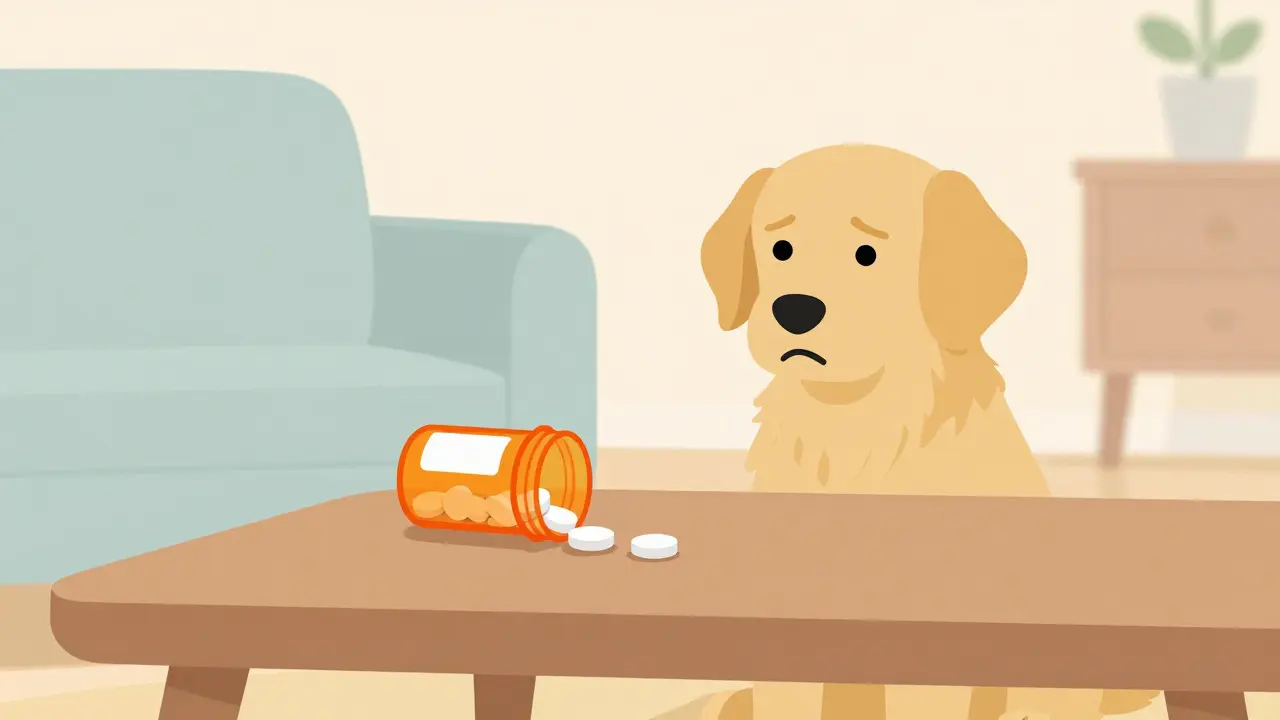
Imagine coming home to find your dog acting oddly energetic or your cat suddenly stumbling into walls. You glance at the coffee table and notice a pill bottle has been knocked over. In that moment, panic sets in. You might wonder if they just ate a "bitter pill" or if they are in real danger. The truth is that human medications are one of the most frequent causes of emergency vet visits, with thousands of cases reported every year. The difference between a full recovery and a permanent organ failure often comes down to a few hours of recognition.
When a pet ingests human drugs, the clock starts ticking immediately. Data shows that about 93% of successful outcomes happen when treatment starts within two hours of ingestion. Because pets process chemicals differently than we do, a dose that helps a human sleep or manage pain can be lethal to a dog or cat. Knowing how to spot the specific "symptom clusters" for different drug classes can save your pet's life.
Key Signs of Medication Poisoning
Not every overdose looks the same. While some pets might just seem sleepy, others enter a state of extreme agitation. One of the biggest hurdles for pet owners is misinterpreting these signs. For example, a dog experiencing serotonin syndrome is a potentially life-threatening condition caused by excessive serotonin levels, often resulting from antidepressants might look like they are just "excited" or "hyper," when they are actually in a medical crisis.
If you suspect an overdose, perform a quick 5-minute assessment. Check for pill fragments around the area, look at their pupils-dilated pupils are a huge red flag for stimulants-and check the color of their gums. If you see a brown tint to the mucous membranes, especially in cats, this is a critical sign of oxygen-carrying failure in the blood.
Antidepressants and ADHD Medications
Drugs used for mental health, such as SSRIs is Selective Serotonin Reuptake Inhibitors, a class of antidepressants like Prozac or Lexapro, can trigger severe reactions within minutes to 12 hours. You'll likely notice tremors, disorientation, and a high fever (often between 103-106°F). If left untreated, a large percentage of these cases progress to full seizures.
Stimulants like Adderall or Concerta are even more aggressive. They hit the system fast, often within 30 to 60 minutes. Your pet's heart rate may skyrocket well beyond the normal range-sometimes exceeding 220 beats per minute. Look for a combination of severe tremors, a very hot body temperature, and pupils that won't shrink. Many owners mistake these tremors for "shivering" or anxiety, but in the context of a missing pill, it is a medical emergency.
Cats are particularly sensitive to SNRIs like Effexor is a medication used for depression and anxiety that is highly toxic to felines. Because some of these pills have a sweet coating, cats may eat an entire bottle. Signs include uncharacteristic vocalization and a lack of coordination, appearing as if they are "bumping into walls."

Pain Relievers and Organ Failure
The most common human medications found in pets are NSAIDs is Nonsteroidal Anti-inflammatory Drugs, such as ibuprofen or naproxen. These typically cause gastrointestinal distress within the first six hours. Keep an eye out for vomiting and "melena"-which is black, tarry stool that indicates internal bleeding. Within 24 to 72 hours, these drugs can cause acute kidney injury.
Then there is Acetaminophen is a common pain and fever reducer, known as Paracetamol in the UK, that is extremely toxic to cats. This is where species differences are most stark. Cats lack a specific enzyme (glucuronyl transferase) needed to break this drug down. Even a tiny dose can cause their blood to lose the ability to carry oxygen, leading to brown-tinged gums and blue-tinted skin (cyanosis). Dogs are more resilient to this specific drug, but high doses will still lead to liver necrosis over several days.
| Medication Class | Key Symptoms | Typical Onset | Critical Danger Sign |
|---|---|---|---|
| Stimulants (ADHD) | Tachycardia, Tremors | 15-60 Mins | Heart rate >220 bpm |
| Antidepressants | Disorientation, Fever | Minutes to 12 Hrs | Seizures |
| NSAIDs (Ibuprofen) | Vomiting, Lethargy | 1-6 Hours | Black, tarry stools |
| Acetaminophen | Difficulty breathing | 1-4 Hours | Brown mucous membranes |

The Paradox of Sedatives
You might assume that if your dog eats a sedative like Benzodiazepines is a class of sedative drugs including Xanax and Ambien, they will simply fall asleep. However, dogs often have a paradoxical reaction. Instead of becoming drowsy, over 50% of dogs become hyper-agitated and restless. This can be confusing for owners who expect a sleeping pet and instead find a dog that can't stop moving.
Cats face a different risk with these drugs; they are more prone to hepatic (liver) failure. If your cat becomes lethargic or loses its appetite after ingesting a sedative, their liver enzymes may be spiking to dangerous levels, requiring immediate veterinary intervention to prevent permanent damage.
Immediate Action Steps
If you suspect your pet has overdosed, do not wait for "obvious" symptoms to appear. Many toxins cause internal damage long before the pet looks sick. Follow these steps:
- Secure the evidence: Find the bottle and determine exactly how many pills are missing and the dosage (mg) of each.
- Do not induce vomiting unless told to: Some medications can cause aspiration pneumonia or caustic burns if vomited back up. Only do this if a vet or poison control center explicitly tells you to.
- Call for professional help: Contact a 24/7 emergency vet or a poison control hotline immediately. Have the medication name and your pet's weight ready.
- Transport safely: If your pet is having seizures or is highly agitated, wrap them in a thick towel to prevent injury to themselves or you during the drive to the clinic.
Once at the clinic, the vet may use activated charcoal to stop the drug from entering the bloodstream or administer specific antidotes. For those with liver or kidney damage, aggressive fluid therapy is often used to "flush" the toxins from the system.
Can I give my pet a human painkiller if it's just a small dose?
Absolutely not. Many human painkillers, especially NSAIDs and Acetaminophen, are toxic to pets even in small amounts. Cats, in particular, can suffer fatal liver or blood failure from doses that would be harmless to a human. Always use medications specifically prescribed by your veterinarian.
Why does my dog seem hyper after eating a sedative?
This is known as a paradoxical reaction. While benzodiazepines typically calm humans, they can cause agitation, restlessness, and hyperactivity in a significant percentage of dogs. This is a sign of toxicity and requires veterinary attention.
How do I tell the difference between a seizure and medication tremors?
Stimulant-induced tremors are usually high-frequency shakes (shivering) that may happen while the pet is still conscious. Seizures typically involve a loss of consciousness, paddling of the legs, and a complete lack of response to their name. However, since tremors can lead to seizures, both should be treated as emergencies.
What are the first signs of liver failure from medication?
Early signs include jaundice (yellowing of the whites of the eyes or gums), extreme lethargy, loss of appetite, and vomiting. In the case of acetaminophen in cats, you may see brown-colored gums before the liver failure fully sets in.
Is activated charcoal always the first treatment?
Activated charcoal is common because it binds to the medication in the stomach to prevent absorption. However, it is only effective if administered shortly after ingestion. If the medication has already entered the bloodstream or if the drug is caustic, the vet will prioritize other treatments like IV fluids or specific antidotes.


Written by Felix Greendale
View all posts by: Felix Greendale