
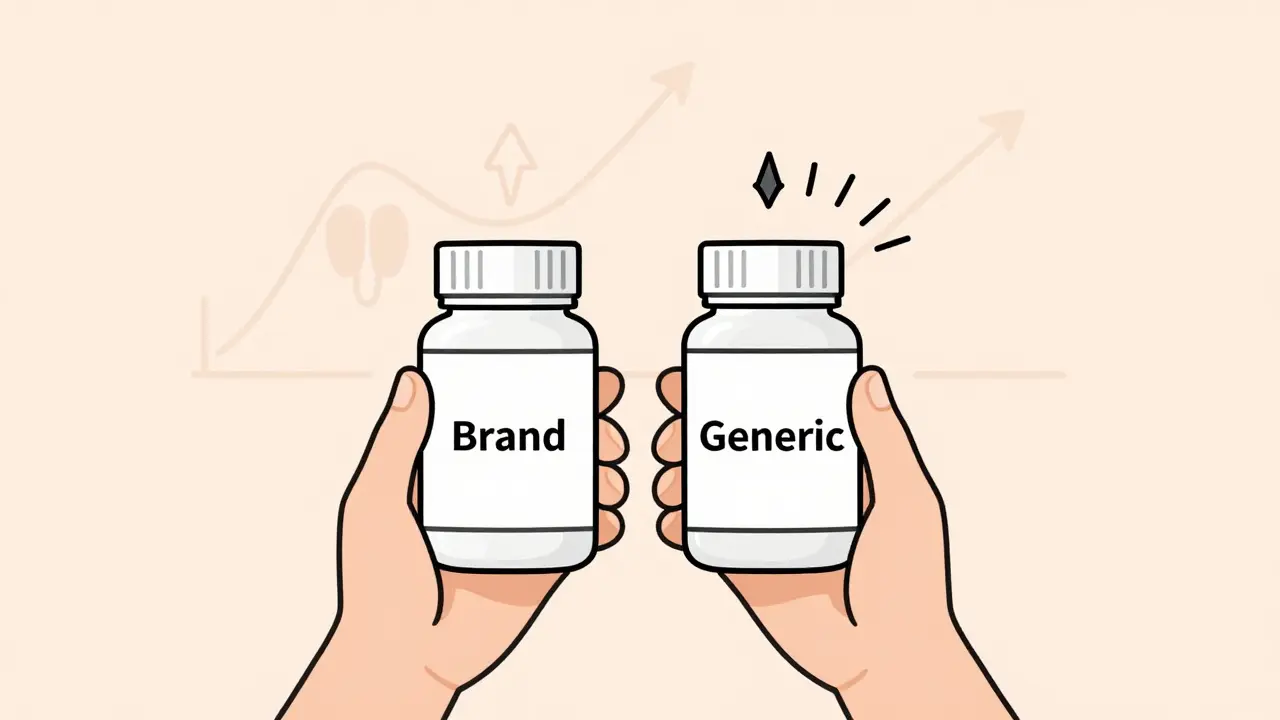
Switching from a brand-name drug to a generic version is common-over 90% of prescriptions in the U.S. are now filled with generics. It saves money, often without issue. But for some people, the switch doesn’t go smoothly. Seizures return. Blood pressure spikes. Thyroid levels go haywire. These aren’t rare accidents. They’re signals that medication effectiveness can change after a generic switch-even when the FDA says the drugs are bioequivalent.
Why a Generic Switch Might Not Work the Same
The FDA requires generics to prove they deliver the same active ingredient at the same rate and amount as the brand. That’s called bioequivalence. The math is strict: the drug’s absorption must fall within 80-125% of the brand’s. Sounds solid, right? But here’s the catch: that 45% window allows for real differences in how your body handles the drug. For most people, it doesn’t matter. For others, it’s life-changing. It’s not just the active ingredient. Inactive ingredients-fillers, dyes, coatings-can affect how fast the pill breaks down in your stomach. A patient with acid reflux might not absorb a generic version as well. Someone with a gluten sensitivity might react to a filler. These aren’t allergies. They’re subtle disruptions in how the drug gets into your system. The biggest risk comes with drugs that have a narrow therapeutic index (NTI). These are medications where even a small change in dose can cause harm or make the drug stop working. Think warfarin (blood thinner), levothyroxine (thyroid), seizure meds like phenytoin, and digoxin (heart medication). A 2019 study in JAMA Internal Medicine found that switching from brand to generic digoxin led to a 34.7% increase in hospitalizations due to toxicity. That’s not a fluke. That’s a pattern.What to Track: The 5 Key Metrics
You can’t just wait until something goes wrong. You need to track progress. Here are the five most important things to monitor after a generic switch:- Lab values-For NTI drugs, check lab results within 30 days. For warfarin, track INR. For levothyroxine, monitor TSH. A shift of more than 15% from your baseline is a red flag. One study showed 23.4% of patients switched to generic levothyroxine had TSH levels outside the target range within six months.
- Symptom changes-Did your seizures increase? Did your depression get worse? Did you start feeling dizzy or nauseous? Write these down. Patient reports matter. A PatientsLikeMe survey found 64% of people with epilepsy reported more seizures after switching to a generic.
- Medication gaps-If you stop taking the drug for 90 days or more after the switch, that’s a strong sign something went wrong. A 2018 study of over a million patients found that discontinuation rates jumped 6.5% after switching to generics.
- Emergency visits-A 2016 FDA analysis showed a 12.3% rise in emergency room visits among patients switched to generic anti-seizure drugs. If you’re going to the ER more often, it’s not coincidence.
- Doctor visits-Are you seeing your provider more frequently? Are they adjusting your dose? That’s a clue the generic isn’t working the same way.
Which Drugs Need the Most Attention
Not all generics are created equal. The FDA gives each generic a therapeutic equivalence code. Look for these on your prescription label:- AB-Safe to substitute. This covers 98.3% of generics.
- BX-Potential issues. Only 1.7% of generics get this rating. These are usually complex drugs like inhalers, topical creams, or NTI medications.
- Antiepileptics-14 documented cases of breakthrough seizures after switching. In 87% of those cases, seizures stopped when the patient returned to the brand.
- Thyroid meds-Levothyroxine is the most common. Even tiny changes in absorption can throw off your metabolism, energy, and heart rhythm.
- Blood thinners-Warfarin requires weekly INR checks for the first month after a switch. One study found 27.6% of patients needed dose changes within 60 days after switching to generic.
- Psychiatric drugs-Antidepressants and antipsychotics have high rates of perceived failure. Reddit users report 83% of pharmacists say patients quit generics because they “feel different.”
How to Set Up Your Monitoring Plan
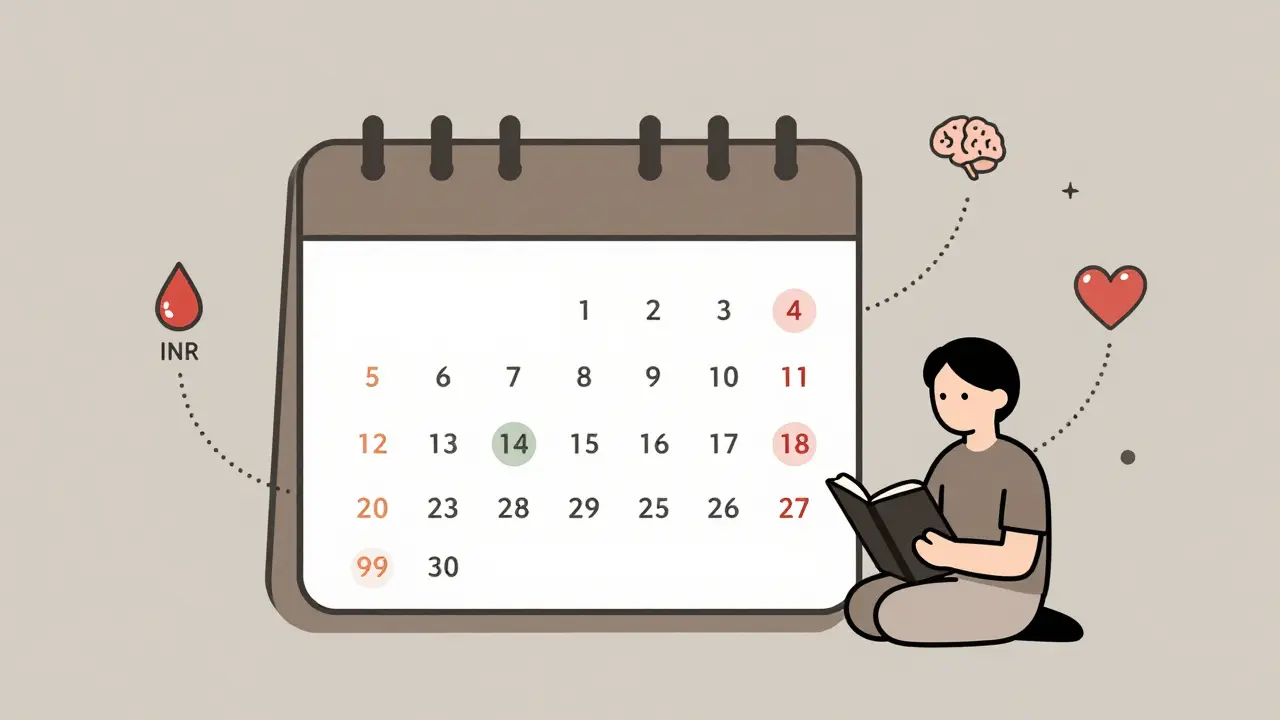
Don’t wait for a crisis. Build a plan before the switch. Use this four-phase system recommended by the Institute for Safe Medication Practices:- Phase 1: Baseline (Before Switch)-Write down your current lab values, symptoms, and dose. Take a photo of your pill bottle. Keep a symptom journal for at least two weeks.
- Phase 2: First Week-Talk to your pharmacist. Ask: “Is this the same as my old pill?” Get their contact info. If you feel worse, call them before calling your doctor.
- Phase 3: Days 8-90-This is the critical window. For NTI drugs, get lab tests at 7, 30, and 60 days. For others, check in at 30 and 90 days. Track symptoms daily. If anything feels off, don’t wait. Call your provider.
- Phase 4: 90+ Days-If your labs and symptoms are stable, you can switch to routine monitoring. But stay alert. Some problems show up months later.
What Works in Real Clinics
Some healthcare systems have cracked the code. Kaiser Permanente’s system, launched in 2020, reduced adverse events by 42.3% by requiring three follow-ups: an automated call at day 7, a nurse call at day 30, and a doctor visit at day 90. Mayo Clinic’s study of over 15,000 patients showed 92.4% stayed stable-when they did follow-up calls. The difference? Proactive communication. Most patients don’t know what to watch for. Pharmacists and nurses are often the first to notice something’s wrong. But only 32.7% of independent pharmacies have standardized protocols for tracking outcomes after a switch.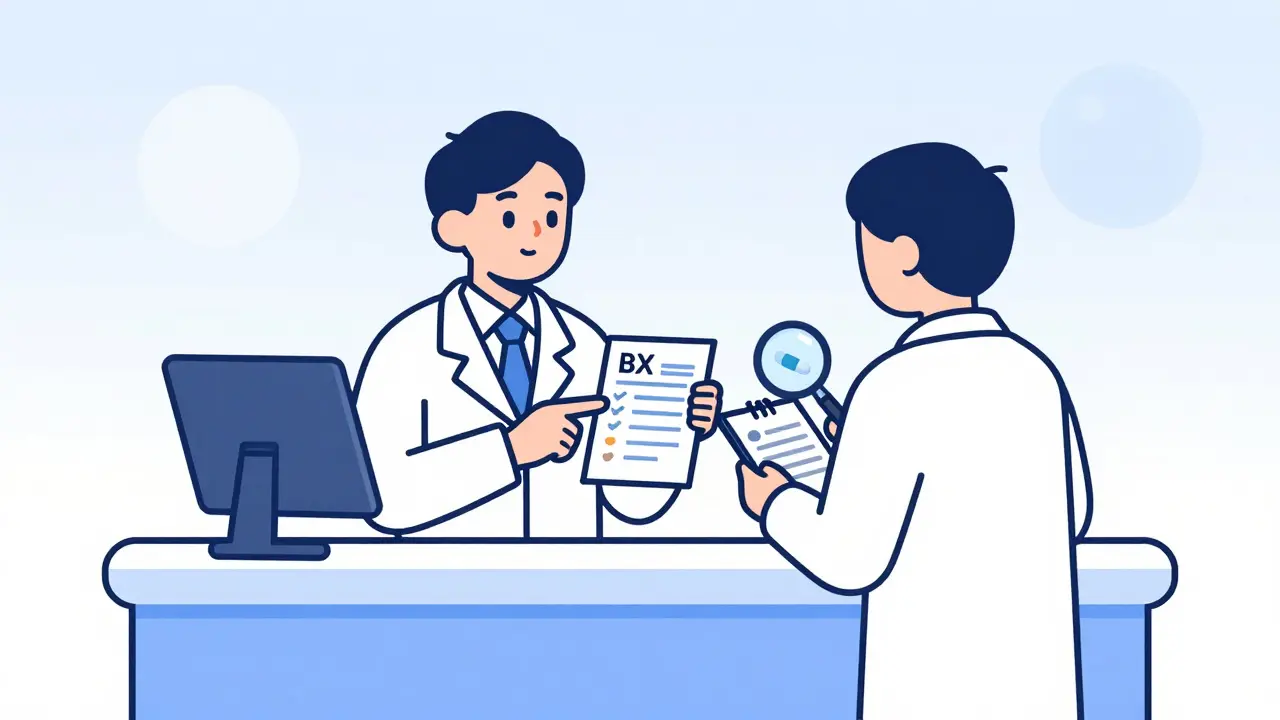
What You Can Do Right Now
You don’t need a fancy system. Start simple:- Ask your pharmacist: “Is this generic rated AB or BX?”
- Check your last lab results. Write them down.
- Set phone reminders for day 7, day 30, and day 90. Ask yourself: “Am I feeling the same?”
- If you’re on a high-risk drug, ask your doctor for a follow-up appointment before the switch.
- Keep a one-page log: Date, pill name, symptoms, lab numbers.
The Bigger Picture
The push for generics is about saving money. And it works-for most people. But if you’re one of the 10-15% who’s sensitive to small changes in drug delivery, you’re not being “difficult.” You’re being realistic. The FDA is starting to catch up. New rules require post-market studies for all NTI generics approved after 2024. AI tools are being developed to predict who’s at risk. But until then, the responsibility falls on you and your care team. Don’t assume a generic is always safe. Don’t assume it’s always the same. Track your body. Speak up. Your health isn’t a cost-saving experiment.Can a generic drug really be less effective than the brand name?
Yes, for some people and some drugs. While generics must meet FDA bioequivalence standards, small differences in how the drug is absorbed-due to inactive ingredients or manufacturing-can affect people with narrow therapeutic index conditions like epilepsy, thyroid disorders, or blood clotting issues. Studies show increased seizure frequency, lab value shifts, and hospitalizations after switching for these drugs.
Which medications are most likely to cause problems after a generic switch?
Drugs with a narrow therapeutic index (NTI) carry the highest risk. These include warfarin (blood thinner), levothyroxine (thyroid), phenytoin and other anti-seizure medications, digoxin (heart medication), and some psychiatric drugs like lithium and certain antidepressants. The FDA assigns these drugs a BX rating, meaning substitution may not be safe without close monitoring.
How long should I wait before deciding if the generic is working?
For high-risk drugs, check lab values at 7, 30, and 60 days. For most others, monitor for 90 days. Symptoms can take weeks to appear. If you notice changes in how you feel-like more fatigue, mood swings, or physical symptoms-don’t wait. Contact your provider immediately. Waiting too long can lead to serious complications.
Should I ask my doctor to keep me on the brand-name drug?
Yes, if you’ve had problems with generics before, or if you’re on a high-risk medication. The American College of Physicians recommends against automatic substitution for NTI drugs without physician approval. You have the right to request the brand if you believe it’s safer or more effective for you. Your doctor can write “Dispense as written” or “Do not substitute” on the prescription.
What if my pharmacy switches my medication without telling me?
Many states allow automatic substitution unless the doctor blocks it. Always check your pill before leaving the pharmacy. If it looks different, ask: “Is this the same as my last prescription?” If you’re not told about the switch, you’re not alone-64% of patients on PatientsLikeMe reported being unaware of the change. Call your pharmacy and ask them to notify you before switching in the future. You can also ask your doctor to require prior authorization for your medication.


Written by Felix Greendale
View all posts by: Felix Greendale