
Medication Safety & Interpreter Rights Simulator
Navigate a pharmacy visit as an LEP patient.
Key Patient Rights Reminder
- Free Service: Under ACA Section 1557, qualified interpretation is free of charge.
- No Family Interpreters: You have the right to a professional, not just a family member.
- Translated Labels: In many states, prescription labels must be translated into your primary language.
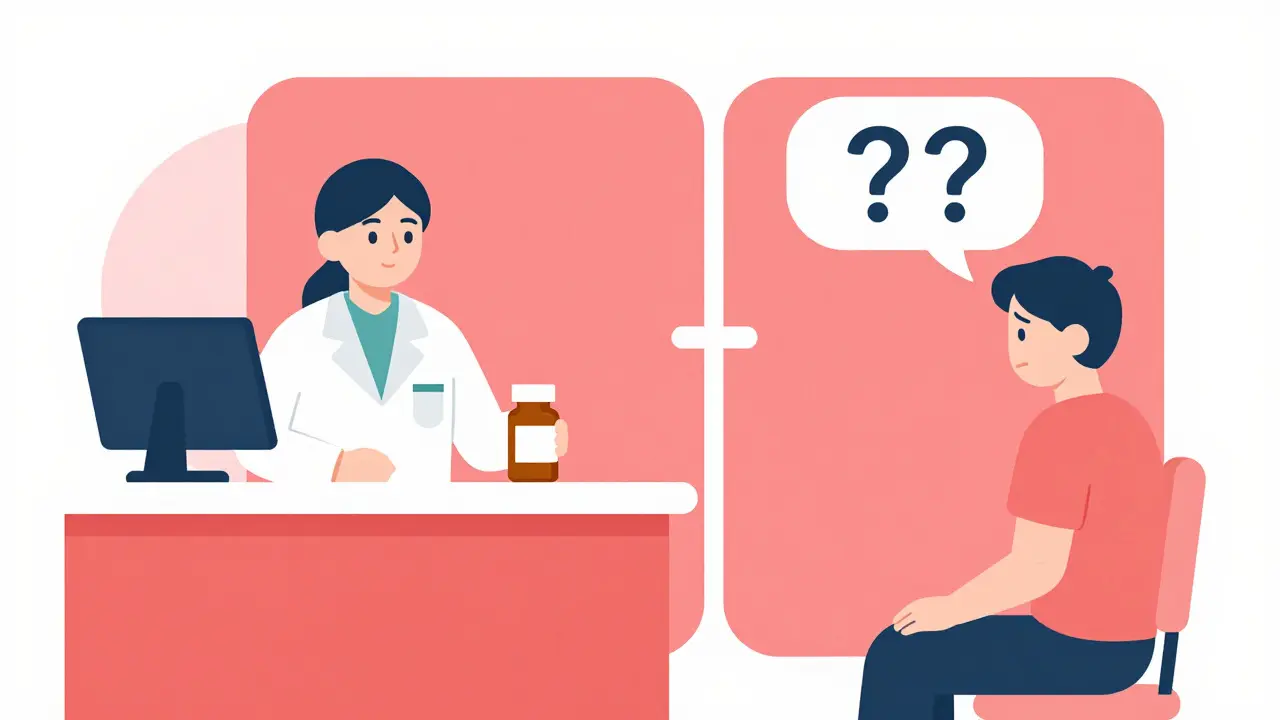
Imagine picking up a life-saving prescription, but the pharmacist speaks only English and you speak only Spanish. You nod along, hoping you understood the dosage instructions. Now imagine taking that medication incorrectly because a crucial warning label wasn't translated. This isn't just a hypothetical scenario; it is a daily reality for millions of people with Limited English Proficiency (LEP refers to individuals who have not yet acquired sufficient proficiency in English to effectively communicate with healthcare providers without assistance) (LEP). The stakes are incredibly high. Misunderstood medication instructions can lead to overdosing, dangerous drug interactions, or skipping essential doses due to confusion.
This is where Interpreter Rights (Legal entitlements ensuring patients receive qualified interpretation services during medical consultations and medication counseling) come into play. These rights are not just about courtesy; they are a critical component of patient safety plans. Recent regulatory shifts, particularly the strengthened enforcement of Section 1557 of the Affordable Care Act (ACA) effective July 5, 2024, have made language access a legal requirement rather than an optional extra. Understanding these rights helps both patients and healthcare providers navigate the complex landscape of medication counseling safely.
The Legal Backbone: Why Interpreter Rights Matter
At the federal level, the cornerstone of language access is Section 1557 of the ACA (A provision prohibiting discrimination based on race, color, national origin, sex, age, or disability in health programs receiving federal financial assistance). Originally enacted in 2010, this section was significantly bolstered in mid-2024. The new rules mandate "meaningful access" for LEP patients. What does "meaningful access" actually mean in practice? It means you cannot be forced to rely on family members, especially children, to interpret complex medical information unless you specifically request it. Healthcare providers must offer qualified interpreters who understand specialized pharmaceutical terminology.
While federal law sets the baseline, some states go much further. New York State’s SafeRx regulations (EDN 6829) serve as a prime example of comprehensive implementation. These rules require pharmacies to provide free oral interpretation services immediately upon request. They also mandate the translation of prescription labels and auxiliary warning labels, such as "May cause drowsiness" or "Take with food." The goal is clear: eliminate ambiguity. According to data from the U.S. Census Bureau, approximately 25 million people in the United States-about 8.5% of the population-are considered LEP. For this demographic, interpreter rights are the difference between safe treatment and potential harm.
Identifying Your Language Needs
Knowing your rights is one thing; exercising them is another. The first step in any effective safety plan is recognizing when you need assistance. Many LEP patients hesitate to ask for an interpreter, fearing they might inconvenience staff or appear difficult. However, research published by Weiss et al. in 2018 shows that inadequate comprehension of prescription instructions is a significant risk factor for adverse drug events. If you find yourself guessing at meanings or feeling anxious about how to take your medicine, it is time to invoke your interpreter rights.
Pharmacies are required to identify pharmacy primary languages. In many regions, these are defined as languages spoken by at least one percent of the local population, determined by U.S. Census data. For instance, in parts of New York City, Spanish, Bengali, Chinese, and Russian are often designated as primary languages. If your language falls into this category, the pharmacy should already have protocols in place. Look for signage near the counter. Regulations in places like New York require conspicuous posting of multilingual notices using phrases like "Point to your language." This simple visual cue empowers patients to signal their needs without having to struggle through broken English.
Types of Interpretation Services Available
When you exercise your right to an interpreter, what kind of service should you expect? There are generally three modes of interpretation available in pharmacy settings:
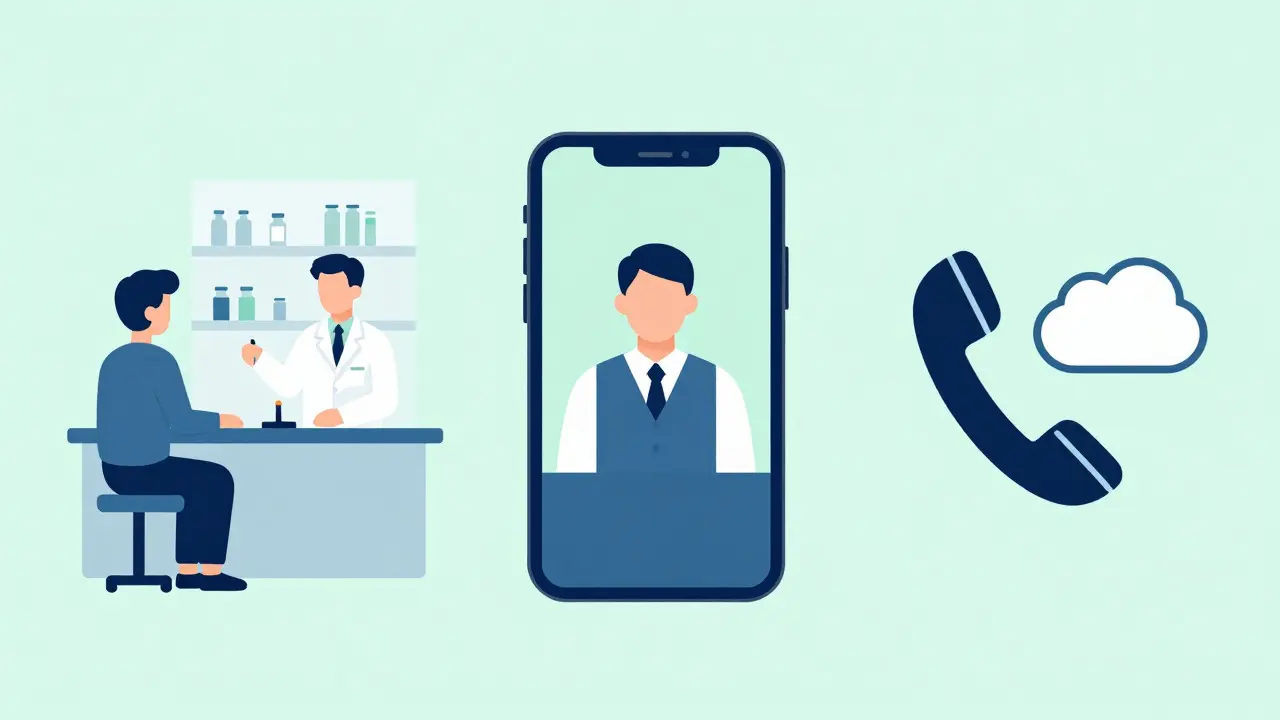
- In-Person Interpreters: These are qualified professionals physically present at the pharmacy. While ideal for building rapport, they are not always immediately available due to scheduling constraints.
- Telephone Interpretation: This is the most common method for immediate needs. Services like LanguageLine Solutions (A leading provider of language access solutions offering telephone and video interpretation services globally) allow pharmacists to connect with certified interpreters within seconds. This ensures that counseling happens in real-time while you are at the counter.
- Video Remote Interpretation (VRI): Increasingly popular, VRI allows for face-to-face interaction via a tablet or screen. This can be particularly helpful for conveying non-verbal cues and showing physical samples of medications.
It is important to note that family members and friends are generally discouraged from serving as interpreters for medication counseling. While well-meaning, they may lack the specific medical vocabulary needed to explain side effects or dosing schedules accurately. They may also filter information due to emotional involvement. Professional interpreters are trained in confidentiality and medical terminology, ensuring that the message remains intact and unbiased.
The Role of Written Materials and Labels
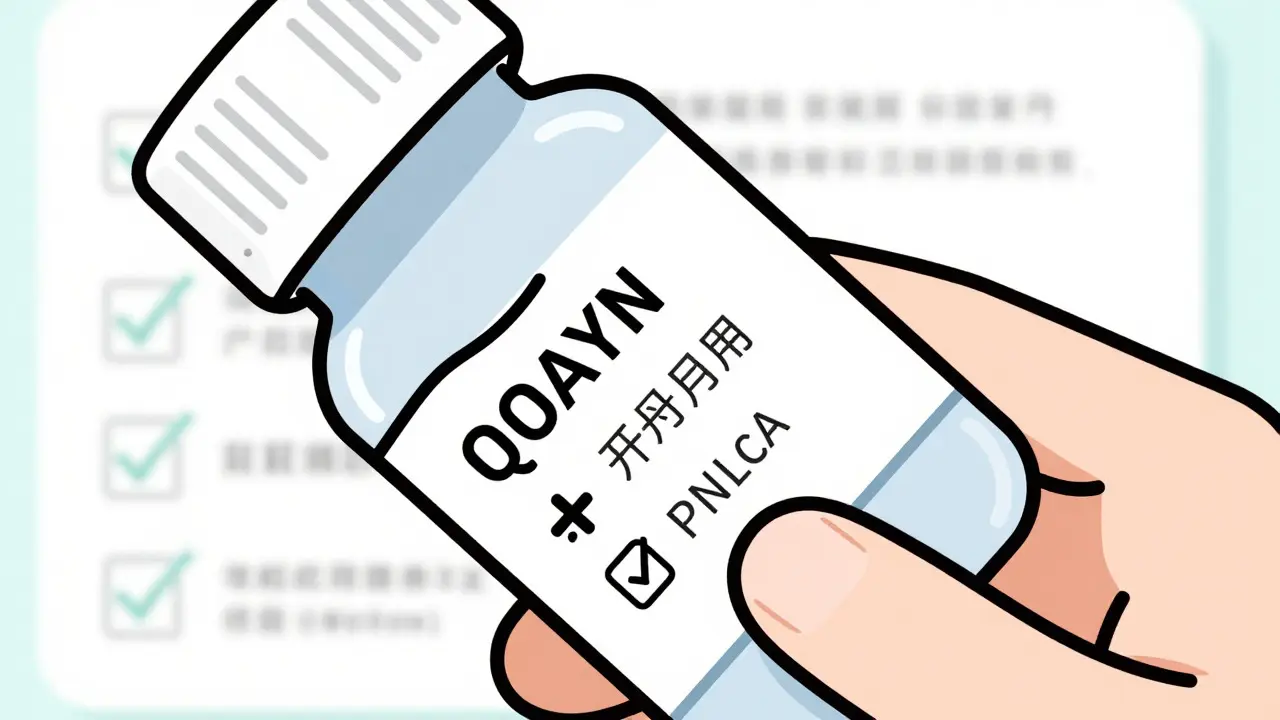
Oral interpretation is crucial, but written materials play an equally vital role in long-term adherence. Under strict language access laws, pharmacies must translate prescription medication labels and warning labels. This goes beyond just the drug name and dosage. Auxiliary labels that provide critical safety warnings must also be translated. For example, if a medication requires refrigeration or should be avoided with grapefruit juice, that instruction must be clear in your preferred language.
However, challenges remain. A 2023 analysis noted that while chain pharmacies have largely adapted to these requirements, independent pharmacies sometimes struggle with compliance due to cost barriers. Only 67% of independent pharmacies in certain jurisdictions have fully implemented compliant systems compared to 92% of chains. As a patient, if you notice that your prescription bottle lacks translated warnings, do not hesitate to ask. You have the right to request that the pharmacist explain the label details through an interpreter or provide translated handouts.
Practical Steps for Patients and Providers
For patients, creating a personal safety plan involves proactive communication. Here is a checklist to ensure you get the best care:
- State Your Preference Early: When checking in, clearly state your preferred language. If you see a "Point to your language" sign, use it.
- Request a Qualified Interpreter: Do not settle for a quick summary in broken English. Ask for a professional interpreter if the counselor does not speak your language fluently.
- Verify Understanding: After the counseling session, repeat back the key instructions to the pharmacist or interpreter to confirm accuracy. This technique, known as "teach-back," is a standard safety protocol.
- Check Your Labels: Before leaving the pharmacy, inspect your medication bottles. Ensure all critical warnings are in your language. If not, ask for clarification immediately.
- Document Issues: If you face resistance or poor service, note the date, time, and pharmacy name. Regulatory bodies track these violations to improve systemic compliance.
For pharmacy providers, the focus must be on seamless integration of these services. Training is essential. Major chains like CVS and Walgreens have implemented mandatory training modules covering cultural competency and interpreter protocols. Staff should know how to quickly access telephonic interpretation services and understand the legal obligation to provide them without delay. Documentation is also key; recording language preferences in patient profiles ensures continuity of care across different visits and locations.
Impact on Patient Safety and Outcomes
The evidence supporting robust interpreter rights is compelling. Studies show that when professional interpretation services are used, medication errors among LEP patients drop by approximately 67%. Dr. Glenn Flores, a leading researcher in health disparities, found that inadequate language services contributed to 32% of adverse drug events in his 2021 study. Conversely, proper language assistance improves medication adherence and reduces emergency department visits. Data from New York City indicates a 28% reduction in medication-related ER visits among LEP patients between 2010 and 2020, directly correlating with improved language access policies.
Beyond safety, there is an economic argument. The Congressional Budget Office projects that full compliance with language access regulations could prevent around 14,000 adverse drug events annually, saving an estimated $187 million in avoidable healthcare costs. By investing in interpreter rights, the healthcare system saves money by preventing costly complications down the line. It is a win-win for patients and providers alike.
Future Trends and Technological Integration
As we move further into 2026, technology is reshaping how interpreter rights are fulfilled. AI-powered translation tools are becoming more sophisticated, offering instant text-to-speech capabilities for medication labels. However, current regulations still require human verification for critical medication instructions to ensure nuance and context are preserved. The FDA has issued draft guidance encouraging standardized pictograms on labels to supplement language services, which will help bridge gaps even further.
Regulatory landscapes continue to evolve. California implemented similar pharmacy-specific requirements in 2022, and Massachusetts proposed comparable legislation in 2024. The trend is clear: language access is moving from a niche concern to a universal standard of care. With the federal government requiring all federally-funded healthcare entities to conduct language need assessments by late 2024 and implement plans by mid-2025, pharmacies nationwide are being pushed to upgrade their systems. Patients should stay informed about these changes, as they directly impact the quality and safety of their healthcare experience.
Do I have to pay for an interpreter at the pharmacy?
No. Under federal law (ACA Section 1557) and many state regulations, healthcare providers receiving federal funds must provide qualified interpretation services free of charge. Pharmacies cannot pass this cost on to the patient.
Can my child interpret for me at the pharmacy?
Generally, no. While you can request a family member, regulations strongly discourage using minors or untrained adults for medication counseling due to the risk of errors. Professional interpreters are preferred to ensure accurate transmission of medical terminology.
What if the pharmacy doesn't have an interpreter for my language?
Pharmacies are required to have access to telephone or video interpretation services that cover a wide range of languages. If they claim they don't have one, ask them to call their contracted language service provider. If they fail to provide one, you can file a complaint with the relevant state health department or the Office for Civil Rights.
Are medication labels legally required to be translated?
In many jurisdictions, yes. For example, New York State law requires the translation of prescription labels and auxiliary warning labels for primary languages. Federal law mandates meaningful access, which often includes written materials in the patient's preferred language if feasible.
How do I report a pharmacy for violating language access rights?
You can file a complaint with the U.S. Department of Health and Human Services Office for Civil Rights (OCR) for federal violations. Additionally, you can contact your state's Attorney General or Department of Health, as many states have specific enforcement mechanisms for pharmacy language access laws.
Written by Felix Greendale
View all posts by: Felix Greendale