

When you hear the phrase mandatory substitution, you might think of swapping one drug for another at the pharmacy. But across the world, this term carries heavy legal weight in three very different areas: finance, mental health, and environmental protection. And the rules? They don’t just vary by country-they often clash with each other, creating real-world confusion, costs, and even human rights tensions.
Banking’s Hidden Rule: Who Takes the Risk?
In European banking, mandatory substitution isn’t about choice. It’s a rule baked into the Capital Requirements Regulation (CRR), specifically Article 403(1). Since June 2021, banks handling tri-party repurchase agreements-where one party borrows cash using securities as collateral-must replace the risk exposure of the original collateral issuer with the exposure of the tri-party agent. Think of it like this: instead of betting on whether a company’s bonds will hold value, the bank now bets on whether the middleman (the agent) will do its job correctly. The European Banking Authority (EBA) pushed this through with strict guidelines, requiring banks to report compliance within two months of translation into official EU languages. But not everyone agreed. The Association for Financial Markets in Europe (AFME) called it risky, arguing that forcing banks to rely on agents instead of the actual issuer could push institutions to hide risk by recording exposures to clients rather than guarantors. J.P. Morgan’s internal review in 2020 found compliance costs jumped 15-20% because of the complexity. Mid-sized banks spent an average of €1.2 million upgrading systems, and implementation took 6 to 9 months. Meanwhile, in the U.S., regulators took the opposite approach. The Federal Reserve, FDIC, and OCC kept substitution optional in their 2018 Large Exposure proposal, saying standardized methods weren’t good enough replacements for internal risk models. This created a transatlantic divide. Basel Committee standards allow optional substitution, but the EU made it mandatory. That gap is real-it’s why 22% of EU-based firms shifted some repo operations to London after Brexit, just to avoid the rule.Mental Health: Who Decides for You?
In mental health law, mandatory substitution means someone else-often a family member or court-appointed guardian-makes decisions for a person deemed incapable of doing so themselves. This happens in places like England and Wales under the Mental Capacity Act (2005), Ontario under the Substitute Decisions Act (1992), and Northern Ireland under its 2016 version of the same law. In Victoria, Australia, it’s governed by the Guardianship and Administration Act (2019). These systems have one thing in common: they override a person’s autonomy. That’s where things get controversial. The United Nations Convention on the Rights of Persons with Disabilities (CRPD), ratified by 182 countries as of 2023, says in Article 12 that people with disabilities have the right to make their own decisions. The CRPD Committee said in 2014 that substitute decision-making violates this right. But Canada, Australia, and the UK all ratified the treaty with reservations, saying they still allow substitute decision-making under certain conditions. The tension is real. In Ontario, where the system is considered one of the most progressive, supported decision-making has reduced coercive interventions by 12% since 2015. But frontline workers still struggle. How do you support someone with severe dementia or psychosis who refuses all help? The system isn’t built for that. In England, only 78% of mental health trusts met mandatory training requirements after introducing 16-hour certification programs. The Care Quality Commission found many staff still default to substitute decision-making because they don’t know how to implement supported alternatives. Harvard’s Michael Ashley Stein argues the CRPD demands the complete abolition of substitute decision-making. But many legal scholars disagree, saying it’s not practical to eliminate it overnight. The UK’s 2023 Mental Health Act reform aims to cut compulsory interventions by 30% by 2026-but full rollout is delayed. Until then, thousands of people live under legal frameworks that say they can’t decide for themselves.
Chemicals and the Environment: Replacing Toxins by Law
In environmental regulation, mandatory substitution means replacing dangerous chemicals with safer ones. The EU’s REACH framework requires companies to submit substitution plans for substances of very high concern (SVHCs)-like certain flame retardants, phthalates, or endocrine disruptors. If you want to keep using them, you need to prove either that you have adequate controls in place, or that switching would cause greater economic harm than staying with the toxic chemical. BASF, one of the world’s largest chemical producers, reported a 23% reduction in SVHCs in its product lines since 2016 because of these rules. But small businesses? They’re drowning. The average cost of a single authorization application under REACH is €47,000 per year. ECHA, the EU’s chemicals agency, says 62% of initial applications were rejected because companies didn’t properly assess alternatives. Processing times ballooned to 18 months. Sweden’s PRIO list and ChemSec’s SIN List are voluntary tools that flag dangerous chemicals before they’re officially banned. Some experts, like Dr. Andrew Watterson from the University of Stirling, argue that substitution should be mandatory even before authorization-pushing it into restriction procedures. The EU’s 2022 Chemicals Strategy for Sustainability is moving that way, requiring substitution planning for all restricted substances by 2025. In 2023 alone, 27 new chemicals were added to the candidate list. The global market for safer chemical alternatives is now worth $14.3 billion. But enforcement varies. Outside the EU, few countries have similar rules. That’s why 38% of multinational chemical companies maintain separate EU-only product formulations-just to comply.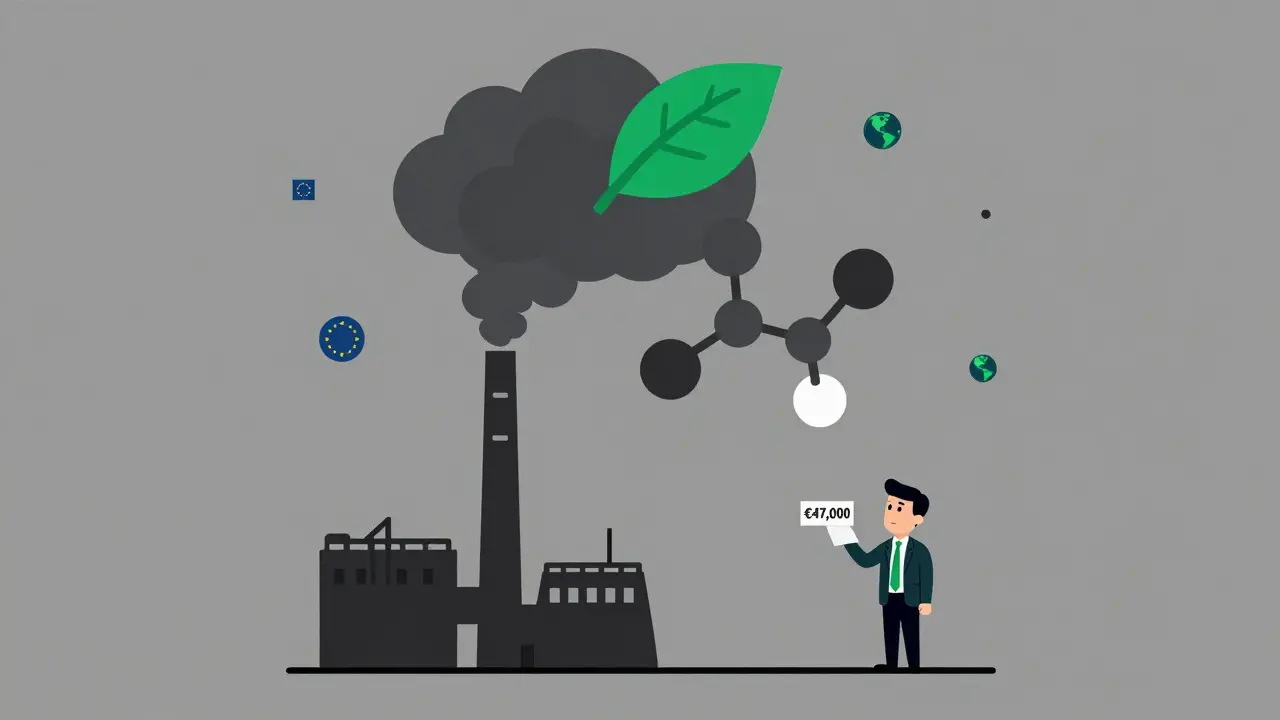


Written by Felix Greendale
View all posts by: Felix Greendale