
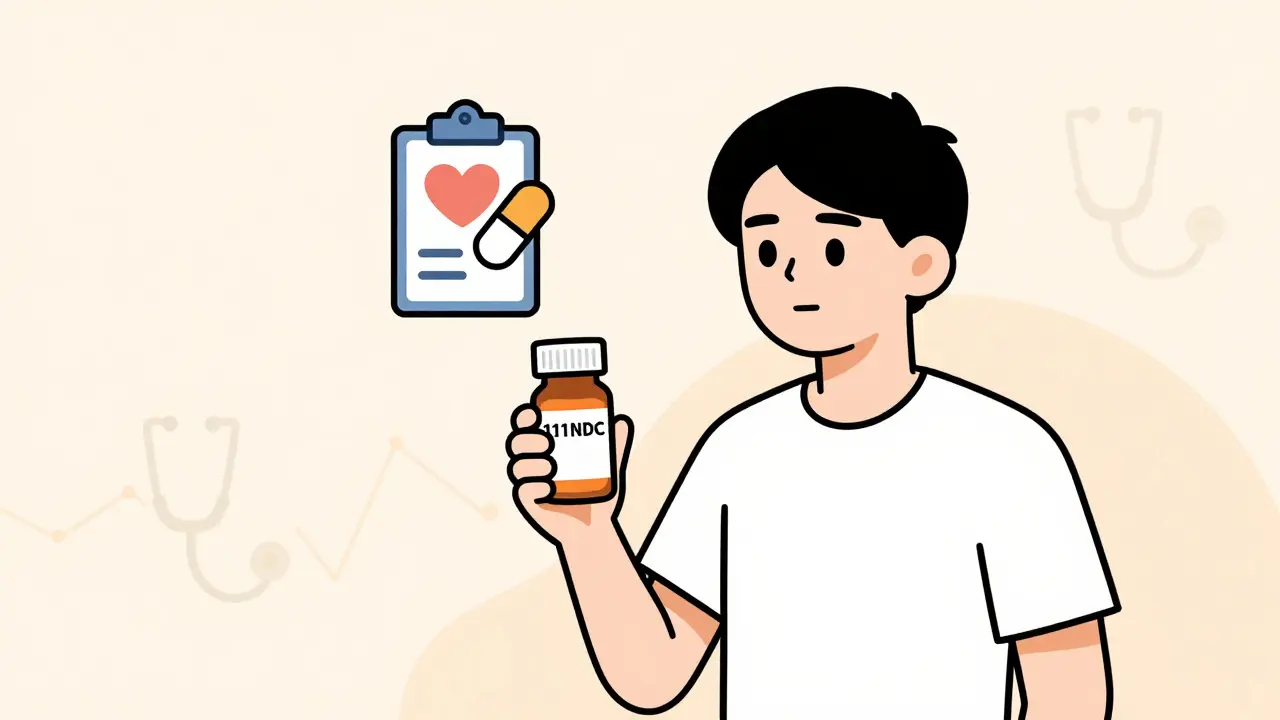
When you take a generic medication, you expect it to work just like the brand-name version. But what happens when it doesn’t? What if you feel worse, or the drug just doesn’t seem to help anymore? That’s where MedWatch comes in - the U.S. Food and Drug Administration’s system for collecting real-world safety data on medicines, including the 90% of prescriptions filled that are generics.
What MedWatch Actually Does for Generic Drugs
MedWatch isn’t a fancy lab or a government agency that tests drugs. It’s a reporting system. Anyone - patients, pharmacists, doctors - can submit a report when something goes wrong with a medicine. For generics, this is especially important because they’re cheap, widely used, and often assumed to be identical to brand-name drugs. But they’re not always the same. The FDA doesn’t require generics to be chemically identical. They just need to be bioequivalent, meaning they deliver the same active ingredient at the same rate and amount as the brand. But inactive ingredients? Those can vary. Fillers, dyes, coatings - all of these can affect how a drug is absorbed or how a patient reacts. And that’s exactly what MedWatch tries to catch. A 2022 study found that patients frequently report therapeutic inequivalence - where a generic version just doesn’t work as well. One common example is levothyroxine, a thyroid medication. Patients switching from one generic brand to another have reported fatigue, weight gain, or heart palpitations, even though the active ingredient is the same. These aren’t allergies. They’re functional failures. And without MedWatch, those patterns would stay invisible.How Reports Get Into the System
There are two ways to report: online or on paper. Most people use the MedWatch online portal. It’s simple. You pick the type of problem - side effect, lack of effectiveness, contamination, or therapeutic failure. Then you answer a few questions: What drug? What happened? When? Did you take anything else? But here’s the catch: the form doesn’t ask for the manufacturer’s name by default. It just says “generic sertraline” or “generic metformin.” That’s a problem. There are over 100 manufacturers of generic drugs in the U.S. Each one uses different processes, different fillers, different quality controls. If a batch from one company causes more side effects, but the report just says “generic,” the FDA can’t trace it. That’s why experts stress writing down the NDC number - the 11-digit code printed on the pill bottle. It identifies the exact drug, manufacturer, and package size. Only 28% of consumer reports include it. Pharmacists know to check it. Patients rarely do. Doctors and pharmacists have it easier. They can pull the NDC from the prescription record. But even then, only about 33% of professional reports name the specific generic manufacturer. Compare that to brand-name reports - nearly 90% get the manufacturer right.Why Generic Reports Are So Hard to Track
The FDA’s database, called FAERS, holds over 9 million reports. But it was built for brand-name drugs. Generics were an afterthought. The system doesn’t automatically know if “metformin” means the brand Glucophage or a generic from Teva, Mylan, or Sandoz. Until recently, there was no reliable way to sort them. In 2024, the FDA rolled out a new algorithm that can now identify generic drugs with 92% accuracy by cross-referencing drug names, NDC codes, and manufacturer data. It’s a big step forward. But it still relies on the original report having enough detail. If someone just types “generic insulin,” the algorithm can’t magic up the missing info. A 2024 FDA internal review found that only 4.7% of all drug safety reports mentioned “generic” in connection with therapeutic failure. That’s way lower than the actual number of people affected. Why? Because most patients don’t realize their drug is generic. They just know it’s “the pill I’ve been taking.” When they feel off, they blame their condition - not the medication.
Real Cases That Changed Things
There are stories where MedWatch reports actually led to action. In 2022, multiple reports came in about a specific generic version of bupropion XL (the antidepressant Wellbutrin XL). Patients reported increased anxiety, insomnia, and suicidal thoughts - symptoms they hadn’t had on the brand version. The reports all pointed to one manufacturer: Mylan. The FDA investigated. Within 11 months, they updated the drug’s label to warn about possible differences in absorption for that particular formulation. That wouldn’t have happened without the reports. Another case involved a generic levothyroxine made by a lesser-known company. After 17 reports from pharmacists and endocrinologists, the FDA requested additional testing. The manufacturer later changed its manufacturing process to reduce batch variability. These aren’t rare. They’re the exception. Most reports vanish into the system with no response. One pharmacist on Reddit said he’d filed 17 reports over three years - only two got replies. But those two led to changes.Who Reports - And Why They Don’t
Doctors and pharmacists report most often. A 2024 AMA survey found 96% of physicians find MedWatch easy to use. But only 22% report more than once a year. Why? Time. Filling out the form takes 10 to 15 minutes. In a busy clinic, that’s hard to justify unless something serious happens. Patients? Even fewer. Only 1 in 100 people who experience a side effect ever report it. And among those who do, 63% don’t know which generic manufacturer made their pill. They don’t know where to find the NDC. They think “generic” means “same as brand.” The FDA has tried to fix this. They’ve created Spanish-language forms. They’ve trained pharmacists to ask patients, “Do you know who made this pill?” They’ve added pop-up reminders on the online form: “Enter the NDC number if you have it.” But awareness is still low.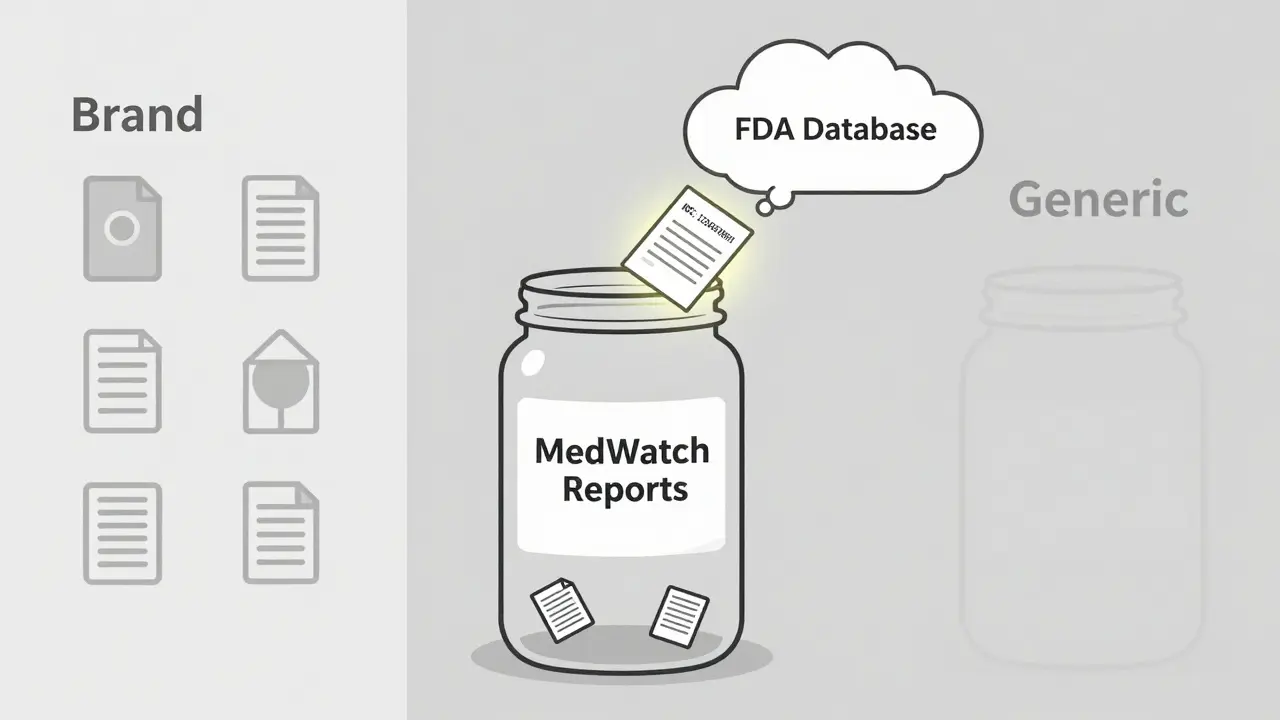
What’s Changing - And What’s Not
The future of MedWatch for generics is tied to technology. By 2026, the FDA plans to connect MedWatch directly to electronic health records. That means when a doctor prescribes a generic, the system will automatically pull the NDC and manufacturer from the pharmacy’s database. No more guessing. No more missing data. The Generic Drug User Fee Amendments (GDUFA) III, launched in 2023, also commits the FDA to improving how it evaluates safety signals from generics. That includes faster reviews and more transparency. But the biggest barrier remains the same: MedWatch is voluntary. No one is required to report. No one gets paid to report. No one gets notified when their report leads to a change. That’s why so many problems go unreported. The European Union has a better system. Their EudraVigilance database automatically links generic drugs to manufacturers. The U.S. is catching up - slowly.What You Can Do
If you take a generic drug and notice something’s off - it doesn’t work like it used to, you feel different, you have new side effects - don’t assume it’s just your body adjusting. It might be the pill. Here’s what to do:- Check your pill bottle for the NDC number - it’s an 11-digit code on the label.
- Write down the name of the manufacturer - it’s usually printed on the bottle or blister pack.
- Go to www.fda.gov/MedWatch and click “Report a Problem.”
- Select “Drug” as the product type.
- Enter the generic name first, then the manufacturer (e.g., “Sertraline, generic by Teva”).
- Describe exactly what happened: “I switched to this generic and started having panic attacks,” or “This version doesn’t control my blood sugar like the last one.”
- Submit. No account needed. No personal info required unless you want a reply.
Why It Matters
Generics save the U.S. healthcare system over $300 billion a year. But if we don’t know which ones are safe - or which ones aren’t - we’re trading cost for risk. MedWatch is the only system we have to catch problems after a drug hits the market. For brand-name drugs, the manufacturer has to do rigorous testing. For generics, that testing happens after the fact - through real people, real side effects, real reports. Your report might not change anything tomorrow. But if enough people report the same issue - with the same manufacturer - it becomes impossible to ignore. The system isn’t perfect. But it only works if people use it.Can I report a problem with a generic drug if I don’t know the manufacturer?
Yes. You can still report even if you don’t know the manufacturer. Just enter the generic name and describe what happened. The FDA can still see patterns across multiple reports. But if you can find the NDC number on the bottle - a long 11-digit code - include it. That helps them link your report to the right manufacturer later.
Do I need a doctor’s note to report to MedWatch?
No. You don’t need a doctor’s note, prescription, or medical records. Anyone - patients, caregivers, pharmacists - can submit a report directly. The FDA doesn’t require proof. They just need your description of what happened.
What kinds of problems should I report for generics?
Report any issue that seems unusual or worse than expected. That includes: the drug not working as well as before, new or stronger side effects, sudden changes in how you feel (like anxiety, fatigue, or heart palpitations), or if the pill looks different than your last refill. Even if you’re not sure, report it. The FDA looks for patterns - one report might not mean much, but ten from the same batch do.
Will the FDA contact me after I report?
Sometimes. Most reports don’t get individual replies because there are too many. But if your report helps identify a pattern - like a specific manufacturer’s product causing the same issue - the FDA may reach out for more details. You can choose to leave your contact info if you want a response.
Are generic drugs less safe than brand-name ones?
Not necessarily. All generics must meet FDA standards for bioequivalence. But real-world differences in inactive ingredients, manufacturing quality, or batch consistency can lead to variations in how people respond. That’s why post-market reporting through MedWatch is so important - it catches problems that lab tests miss.
How long does it take for the FDA to act on a MedWatch report?
There’s no set timeline. Some reports are reviewed within days if they point to a serious, widespread risk. Others sit in the system for months. The key is volume. One report about a bad batch might be ignored. But 50 reports about the same generic from the same manufacturer? That triggers an investigation. It’s about patterns, not single events.


Written by Felix Greendale
View all posts by: Felix Greendale