
Non-Opioid Pain Management Advisor
Check any relevant medical conditions or concerns:
Select your pain profile
Fill out the form on the left to receive personalized non-opioid recommendations based on current clinical guidelines.
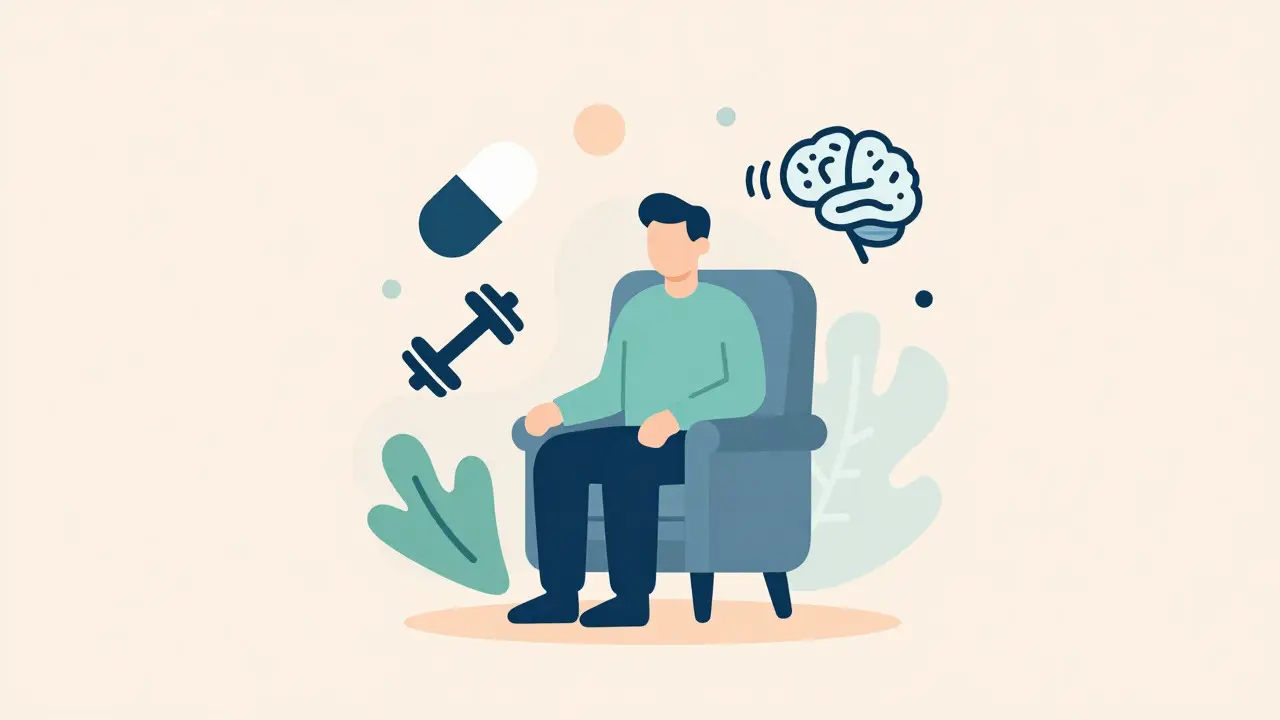
Imagine living with constant pain but dreading the medication that makes it bearable. For millions of people, opioids offer temporary relief, but the price tag includes nausea, constipation, and a terrifying risk of dependency. The landscape of pain care is shifting rapidly. You no longer have to choose between suffering and risking your health. Non-opioid pain management is a comprehensive approach using medications and therapies that treat pain without binding to opioid receptors in the brain. This strategy focuses on reducing inflammation, altering nerve signals, or changing how you perceive pain, offering a safer path for long-term relief.
Why the Shift Away from Opioids?
The move toward non-opioid options isn't just a trend; it's a response to a public health crisis. In the United States alone, over 106,000 people died from overdose in 2021, with prescription opioids playing a significant role. But beyond the mortality stats, there is the daily reality of side effects. Opioids often cause severe constipation, which can lead to bowel obstruction if left unmanaged. They also suppress breathing, a dangerous risk especially during sleep or when combined with other sedatives like alcohol or benzodiazepines.
Furthermore, the body adapts quickly. Tolerance builds, meaning you need higher doses to get the same effect. This cycle increases the risk of addiction, known as opioid use disorder. Recent guidelines from major health bodies, including the CDC’s 2022 update, now explicitly recommend non-opioid therapies as the first line of defense for both subacute and chronic pain. The goal is simple: manage pain effectively while keeping the risk profile low.
Medication Options That Work
When we talk about non-opioid drugs, we are looking at several distinct classes, each targeting pain differently. The most common starting point is usually over-the-counter analgesics, but prescription options offer more targeted solutions for specific types of pain.
- NSAIDs (Non-Steroidal Anti-Inflammatory Drugs): These include ibuprofen and naproxen. They work by blocking enzymes that produce prostaglandins, chemicals that signal pain and inflammation. They are highly effective for arthritis, back pain, and injury-related swelling. However, they carry risks for the stomach lining and kidneys, so long-term use requires monitoring.
- Acetaminophen: Often sold as paracetamol in the UK, this drug works centrally in the brain to reduce pain perception without significant anti-inflammatory effects. It is gentler on the stomach than NSAIDs but must be dosed carefully to avoid liver damage. The maximum daily dose is typically capped at 3,000-4,000 mg depending on individual health factors.
- Antidepressants: Surprisingly, certain antidepressants are powerful painkillers for nerve pain. Amitriptyline and duloxetine are commonly prescribed for conditions like fibromyalgia and diabetic neuropathy. They don't treat depression in these cases; instead, they modulate serotonin and norepinephrine levels to dampen pain signals. Note that these may take 4-6 weeks to show full effect.
- Anticonvulsants: Drugs like gabapentin and pregabalin were originally designed for seizures but are now standard for shooting, burning nerve pain. They calm overactive nerves. Common side effects include drowsiness and weight gain, so timing your dose for bedtime can help manage the fatigue.
- Newer Analgesics: In late 2023, the FDA approved suzetrigine (Journavx), a first-in-class non-opioid analgesic for moderate to severe acute pain. It works by inhibiting sodium channels, offering a novel mechanism that doesn't involve the opioid system at all.
| Medication Class | Best For | Key Side Effects | Onset of Action |
|---|---|---|---|
| NSAIDs (Ibuprofen) | Inflammation, Arthritis, Back Pain | Stomach upset, Kidney strain | Fast (30-60 mins) |
| Acetaminophen | Mild to Moderate General Pain | Liver toxicity (if overdosed) | Fast (30-60 mins) |
| Duloxetine (SNRI) | Fibromyalgia, Diabetic Neuropathy | Nausea, Dry mouth | Slow (4-6 weeks) |
| Pregabalin | Nerve Pain, Sciatica | Drowsiness, Weight gain | Moderate (1-2 weeks) |
| Suzetrigine | Acute Moderate-Severe Pain | Nausea, Dizziness | Fast |
Therapies Beyond Pills
Medication is only one piece of the puzzle. Non-pharmacological treatments often provide the most sustainable results because they address the root causes of pain rather than just masking symptoms. Physical therapy is arguably the gold standard here. A structured program involving aerobic exercise, resistance training, and aquatic therapy can strengthen muscles that support joints and improve mobility. Studies show that patients who commit to 2-3 sessions per week for 6-8 weeks report significantly better function than those relying solely on medication.
Psychological approaches are equally vital. Chronic pain changes the brain, creating a cycle of fear and avoidance. Cognitive Behavioral Therapy (CBT) helps break this cycle by teaching coping strategies and reframing pain perceptions. Mindfulness-based stress reduction has also shown promise, with protocols suggesting that 20-45 minutes of daily practice over 6-8 weeks can lower overall pain intensity. Even manual therapies like acupuncture and massage remain popular. While the scientific debate continues on their mechanisms, many patients report meaningful relief, particularly for tension headaches and lower back issues.
Navigating Side Effects and Risks
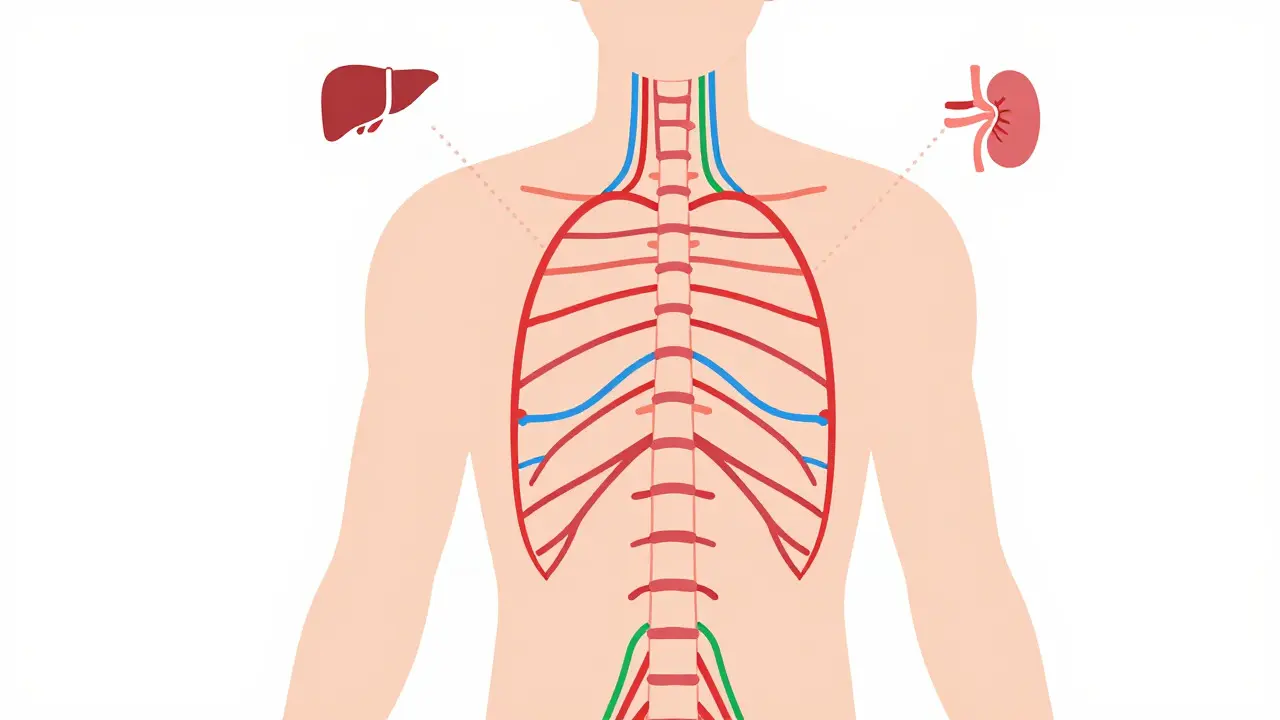
Let’s be clear: "non-opioid" does not mean "side-effect-free." Each alternative has its own set of trade-offs. If you have a history of ulcers or kidney disease, NSAIDs might be a poor fit. If you are prone to falls or work in safety-critical roles, the drowsiness from anticonvulsants could be a dealbreaker. Acetaminophen seems safe, but combining it with alcohol or other liver-stressing substances can be hazardous.
The key is personalized care. A doctor will look at your full medical history before prescribing. For instance, if you have high blood pressure, certain antidepressants might raise it further. Regular check-ups allow your provider to adjust dosages or switch medications if adverse effects become too burdensome. Open communication about what you’re experiencing-whether it’s dry mouth, dizziness, or digestive issues-is crucial for finding the right balance.

Building Your Personalized Plan
Effective pain management is rarely one-size-fits-all. It often involves a multimodal approach, combining different types of interventions. For example, a patient with chronic lower back pain might use a combination of physical therapy, short-term NSAIDs for flare-ups, and CBT to manage anxiety related to movement. This layered approach reduces the reliance on any single method, lowering the risk of side effects while maximizing relief.
Start by documenting your pain. Keep a log of when it occurs, what triggers it, and what helps. Bring this to your doctor’s appointment. Ask specifically about non-opioid options. Don’t hesitate to ask, “What are the risks of staying on opioids versus switching?” Many providers are eager to discuss these alternatives but wait for the patient to initiate the conversation. Remember, the goal is functional improvement-being able to walk, sleep, and engage in life-rather than just chasing a zero on the pain scale.
Frequently Asked Questions
Are non-opioid medications less effective than opioids?
Not necessarily. For chronic pain conditions like osteoarthritis or fibromyalgia, non-opioid treatments often provide similar functional outcomes with far fewer serious side effects. While opioids may offer stronger immediate numbing for acute trauma, they lose efficacy over time for chronic conditions due to tolerance. Non-opioids focus on long-term stability and quality of life.
Can I take acetaminophen and ibuprofen together?
Yes, they work through different mechanisms and can often be taken alternately under medical supervision. This combination can provide better pain relief than either drug alone. However, you must stay within the maximum daily limits for each to protect your liver and kidneys. Always consult your pharmacist or doctor before combining medications.
How long does it take for antidepressants to help with pain?
Unlike opioids, which work within hours, antidepressants used for pain (like amitriptyline or duloxetine) often require 4 to 6 weeks to reach their full therapeutic effect. Consistency is key. Do not stop taking them abruptly after a few days if you don’t feel immediate relief, as this can lead to withdrawal symptoms and loss of benefit.
Is physical therapy really worth the effort?
For most chronic musculoskeletal pains, yes. Exercise strengthens the supporting structures around painful joints and releases natural endorphins. While adherence can be challenging, studies show that patients who stick to a 6-8 week regimen experience significant improvements in mobility and pain levels that last well beyond the treatment period.
What should I do if my current non-opioid plan isn't working?
Don’t assume you’ve failed. Pain management is iterative. Return to your healthcare provider to reassess. You might need a dosage adjustment, a switch to a different class of medication, or the addition of a non-pharmacological therapy like CBT or acupuncture. Sometimes, a referral to a pain specialist is necessary to explore advanced options like nerve blocks or newer agents.


Written by Felix Greendale
View all posts by: Felix Greendale