
+ Personalized Non-Opioid Pain Plan Builder
Answer three simple questions to generate a tailored roadmap for managing your pain without opioids. This tool uses current clinical guidelines to suggest appropriate medication classes, therapies, and timelines.
✓Your Personalized Non-Opioid Strategy
Suggested Timeline & Monitoring
Dealing with persistent pain is exhausting, but the fear of dependency often keeps people stuck in a cycle of ineffective treatment. For decades, opioids were the go-to solution for severe discomfort, yet the reality is that they offer diminishing returns for long-term conditions while carrying significant risks. If you are looking for ways to manage your symptoms without reaching for those heavy-hitting medications, you are not alone. The medical landscape has shifted dramatically, prioritizing safer, more sustainable methods that actually address the root causes of your suffering rather than just masking it.
This guide breaks down the most effective non-opioid pain management strategies available today. We will look at both what you can take and what you can do, providing a clear roadmap to help you discuss these options with your healthcare provider. Whether you are dealing with back pain, arthritis, or nerve issues, there is a path forward that doesn't involve the fog and risk associated with traditional narcotics.
Why Move Away from Opioids?
The push toward alternative treatments isn't just a trend; it's a response to hard data. In the United States alone, overdose deaths linked to prescription opioids remain a critical public health issue. More importantly for daily life, research shows that after three months, opioids provide little additional benefit for chronic pain compared to non-opioid options, but the side effects keep accumulating. These include constipation, nausea, drowsiness, and a reduced quality of life.
Modern clinical guidelines, such as those from the CDC, now explicitly state that non-pharmacologic therapies and non-opioid medications should be the first line of defense. This shift allows patients to maintain their cognitive function and mobility while still achieving meaningful pain relief. It’s about working with your body, not against it.
Medication Options That Aren’t Opioids
When we talk about drugs, it’s easy to assume "painkiller" means "opioid." That’s no longer true. There is a robust class of medications designed specifically for different types of pain mechanisms.
- NSAIDs (Non-Steroidal Anti-Inflammatory Drugs): Common examples include ibuprofen and naproxen. These work by reducing inflammation, which is the driver behind many types of pain like arthritis or injury. They are effective for short-term flares but require caution if you have kidney issues or stomach ulcers.
- Acetaminophen: Often found in over-the-counter formulations, this is a safe option for many people, particularly those who cannot take NSAIDs. However, dosing must be monitored closely to protect liver health.
- Antidepressants for Pain: This sounds counterintuitive, but certain antidepressants like duloxetine and amitriptyline are highly effective for chronic musculoskeletal and nerve pain. They don't treat depression in this context; instead, they alter how the brain processes pain signals. You might see a 30-50% reduction in pain intensity within a few weeks.
- Anticonvulsants: Medications like gabapentin and pregabalin are standard for neuropathic pain (nerve damage). They calm overactive nerves that send false pain signals to the brain.
- Newer Analgesics: Recent FDA approvals, such as suzetrigine, represent new mechanisms that block sodium channels to stop acute pain without touching the opioid receptors. This opens up possibilities for severe acute pain that previously had few non-addictive options.
The Power of Physical and Mind-Body Therapies
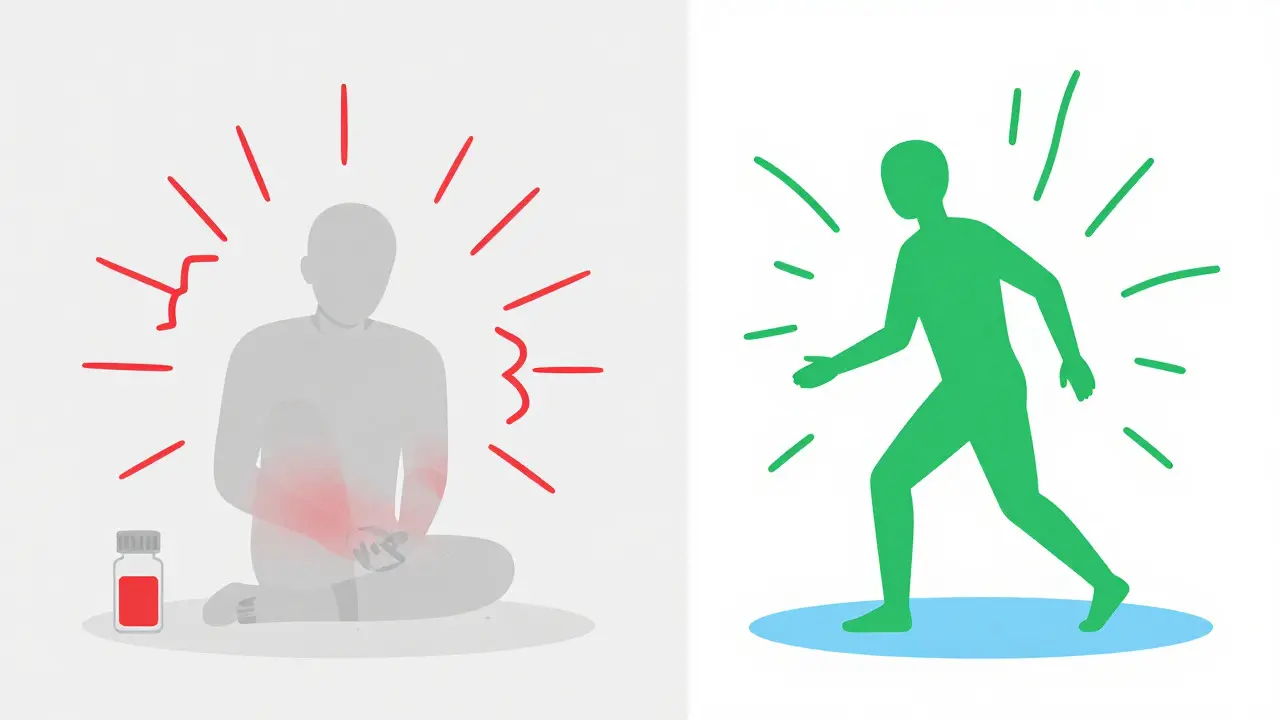
While pills play a role, movement is arguably the most powerful tool in your arsenal. Static bodies create stiff joints and weak muscles, which amplifies pain. Physical therapy helps rebuild the strength and flexibility needed to support your spine and joints.
Effective protocols typically involve:
- Aerobic Exercise: Walking, swimming, or cycling improves blood flow and releases natural endorphins.
- Resistance Training: Strengthening core and back muscles provides a natural brace for your spine.
- Mind-Body Practices: Yoga and Tai Chi combine gentle movement with breath control, reducing the stress response that often exacerbates pain sensitivity.
It’s not just about moving; it’s about changing the relationship between your mind and your body. Cognitive Behavioral Therapy (CBT) has shown remarkable results in helping patients reframe their pain experience, reducing the catastrophic thinking that makes pain feel unmanageable. Many patients find that combining CBT with physical activity creates a synergistic effect that medication alone cannot achieve.
Interventional and Topical Solutions
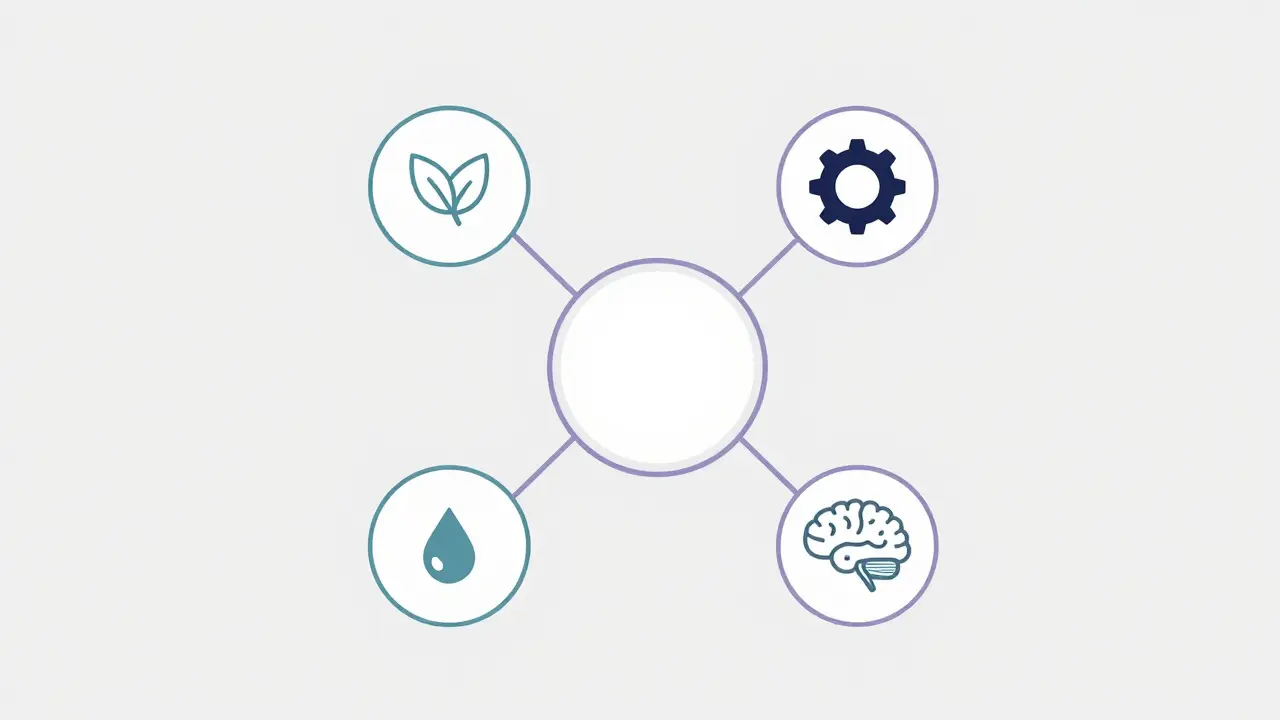
Sometimes, systemic treatments aren't necessary. Targeted approaches can deliver relief exactly where you need it, minimizing side effects elsewhere in the body.
| Method | Best For | Key Benefit | Potential Drawback |
|---|---|---|---|
| Topical Lidocaine | Localized joint or muscle pain | No systemic side effects | May cause skin irritation |
| Capsaicin Cream | Neuropathic pain | Depletes substance P (pain transmitter) | Burning sensation upon application |
| Corticosteroid Injections | Arthritis flare-ups, sciatica | Rapid reduction of local inflammation | Limited frequency per year |
| Acupuncture | Chronic back and neck pain | Stimulates natural painkillers | Requires multiple sessions for full effect |
For example, if you suffer from knee osteoarthritis, a topical lidocaine patch can numb the area directly without affecting your digestion or sleep. Similarly, acupuncture has gained significant traction in evidence-based medicine, with studies showing it activates specific neural pathways that inhibit pain perception.
Building Your Personalized Pain Plan
There is no one-size-fits-all approach. The most successful outcomes come from a multimodal strategy-a combination of different techniques tailored to your specific condition. Here is how to start:
- Assess Your Pain Type: Is it inflammatory (hot, swollen), mechanical (worse with movement), or neuropathic (burning, tingling)? This determines which meds and therapies will work best.
- Set Realistic Timelines: Unlike opioids, which work in minutes, non-opioid strategies often take time. Antidepressants may need 4-6 weeks to show full effect. Physical therapy requires consistent practice over 6-8 weeks.
- Monitor Progress: Keep a simple log of your pain levels and activities. This data is invaluable when adjusting your treatment plan with your doctor.
- Address Access Barriers: Insurance coverage for physical therapy and psychological services can vary. Check your benefits early to avoid surprises. Community programs and telehealth options can also bridge gaps in access.
Remember, the goal isn't just to eliminate pain, but to restore function. Being able to walk, sleep, and engage in life without the haze of sedation is a victory worth pursuing. By understanding the landscape of non-opioid options, you empower yourself to make informed decisions and advocate for a treatment plan that respects both your comfort and your long-term health.
Are non-opioid treatments really as effective as opioids for severe pain?
For chronic pain, yes. Studies show that for conditions like lower back pain and osteoarthritis, non-opioid treatments provide similar functional improvements with significantly fewer adverse effects. For acute, severe pain (like post-surgical), newer non-opioid analgesics are becoming more effective, though opioids may still be used short-term in hospital settings.
How long does it take for non-opioid medications to work?
It depends on the type. NSAIDs and acetaminophen work within hours. However, prescription non-opioids like SNRIs (duloxetine) or anticonvulsants (gabapentin) often require 2 to 6 weeks of consistent use before you notice significant changes in pain perception. Patience is key during this titration period.
Can I combine physical therapy with medication?
Absolutely. In fact, this is the recommended standard of care. Using medication to reduce enough pain to allow you to participate in physical therapy creates a positive feedback loop. As your strength and mobility improve, you may be able to taper off the medication gradually.
What if I live in an area with limited access to specialists?
Telehealth has expanded access to pain psychologists and some physical therapists. Additionally, primary care providers are increasingly trained in managing non-opioid protocols. Look for community health centers or online support groups that can provide guidance and resources until you can access specialized care.
Do non-opioid options work for nerve pain?
Yes, but they require specific targeting. Standard painkillers like ibuprofen are often less effective for neuropathic pain. Instead, doctors typically prescribe anticonvulsants (like pregabalin) or certain antidepressants, combined with topical agents like capsaicin or lidocaine, which are specifically designed to calm irritated nerves.
Written by Felix Greendale
View all posts by: Felix Greendale