
That burning sensation creeping up your chest after a big meal is familiar to millions of us. You reach for the medicine cabinet, but which bottle do you grab? The chewable tablets that work instantly? The pills that stop acid before it starts? Or the powerful inhibitors that seem to fix everything overnight? OTC heartburn medications are non-prescription drugs designed to neutralize or reduce stomach acid to relieve symptoms of gastroesophageal reflux disease (GERD) and occasional heartburn. There isn't one-size-fits-all solution here. Each class of medication works differently, lasts for different amounts of time, and comes with its own set of rules. Using the wrong one can leave you frustrated, still in pain, or potentially risking side effects from overuse.
We need to look past the marketing labels on the pharmacy shelf. Understanding the mechanics of how these drugs interact with your stomach lining is the key to getting real relief without unnecessary complications. Let's break down the three main players: antacids, H2 blockers, and proton pump inhibitors (PPIs), so you can choose the right tool for your specific situation.
Antacids: The Immediate Firefighters
If you need relief right now, antacids are your best bet. They don't stop your stomach from making acid; they simply neutralize the acid that is already there. Think of them like baking soda poured onto a spill-they chemically react with the acid to raise the pH level in your stomach, providing instant comfort.
Calcium carbonate is the most common active ingredient in OTC antacids, found in brands like Tums, offering rapid neutralization of gastric acid within minutes. Other formulations use aluminum hydroxide or magnesium hydroxide. These products start working within 30 to 120 seconds. That speed is their superpower. However, their effect is short-lived, typically lasting only 30 to 60 minutes. This makes them perfect for occasional heartburn triggered by a specific meal or snack, but useless if you're dealing with chronic issues.
- Best for: Occasional, mild heartburn (less than once a week).
- Onset: Immediate (under 2 minutes).
- Duration: Short (30-60 minutes).
- Key Ingredients: Calcium carbonate, magnesium hydroxide, aluminum hydroxide.
There is a catch, though. Because they work so fast, people often overuse them. Taking too much calcium carbonate can lead to "acid rebound," where your stomach produces even more acid after the antacid wears off. Plus, antacids can interfere with the absorption of other medications. If you take other drugs, wait at least two hours before or after taking an antacid to ensure your body absorbs them properly.
H2 Blockers: The Preventative Shield
If antacids are firefighters, histamine-2 (H2) blockers are more like smoke detectors. They don't put out the fire immediately, but they stop the sparks from turning into flames. Developed in the 1970s, H2 blockers work by blocking histamine receptors in your stomach cells, which signals those cells to produce less acid. This reduction happens gradually, usually starting to kick in within 60 to 180 minutes.
Famotidine is a widely used H2 blocker available under brand names like Pepcid AC, known for reducing acid secretion for 8 to 12 hours with fewer drug interactions than older options. Cimetidine (Tagamet HB) is another option, though it has more potential drug interactions. The benefit here is duration. An H2 blocker can keep you comfortable for 8 to 12 hours, making it ideal for predictable heartburn episodes, such as nighttime symptoms or post-dinner discomfort.
| Feature | Famotidine (Pepcid) | Cimetidine (Tagamet) |
|---|---|---|
| Onset of Action | 60-180 minutes | 60-180 minutes |
| Duration | 8-12 hours | 8-12 hours |
| Acid Suppression | ~60-70% | ~60-70% |
| Drug Interactions | Low risk | Higher risk (warfarin, phenytoin) |
The downside? Your body gets used to them. After two to three weeks of continuous use, H2 blockers become less effective-a phenomenon called tachyphylaxis. They are also not strong enough for severe, daily heartburn. If you find yourself needing them every day for more than two weeks, it's time to talk to a doctor about stepping up your treatment.

PPIs: The Heavy Hitters
Proton pump inhibitors (PPIs) are the most potent class of OTC heartburn medication. They target the actual "pumps" in your stomach cells that secrete acid, shutting them down almost completely. This results in 90% to 98% acid suppression. However, this power comes with a significant delay. PPIs take 24 to 72 hours to reach full effect because they need to build up in your system and inhibit new pumps as they form.
Omeprazole is the first PPI approved for OTC use, sold as Prilosec OTC, requiring strict morning dosing 30-60 minutes before breakfast for optimal efficacy. Other common OTC PPIs include esomeprazole (Nexium 24HR) and lansoprazole (Prevacid 24HR). These are designed for frequent heartburn-defined as occurring two or more days a week. The FDA mandates that you should not use OTC PPIs for more than 14 consecutive days without consulting a physician.
- Timing is critical: Take PPIs 30 to 60 minutes before your first meal of the day. Food triggers the proton pumps, so the drug needs to be in your system and ready to block them when they activate.
- Consistency matters: Don't skip doses. Missing a day can reset the clock on their effectiveness.
- Don't crush them: Most PPIs are enteric-coated to survive stomach acid and release in the intestines. Crushing or chewing them destroys the coating and renders the drug ineffective.
While highly effective, long-term PPI use carries risks. Studies have linked prolonged use to increased risks of vitamin B12 deficiency, magnesium deficiency, bone fractures, and certain infections like Clostridium difficile. Because of this, doctors emphasize using the lowest effective dose for the shortest possible time.
How to Choose the Right Medication
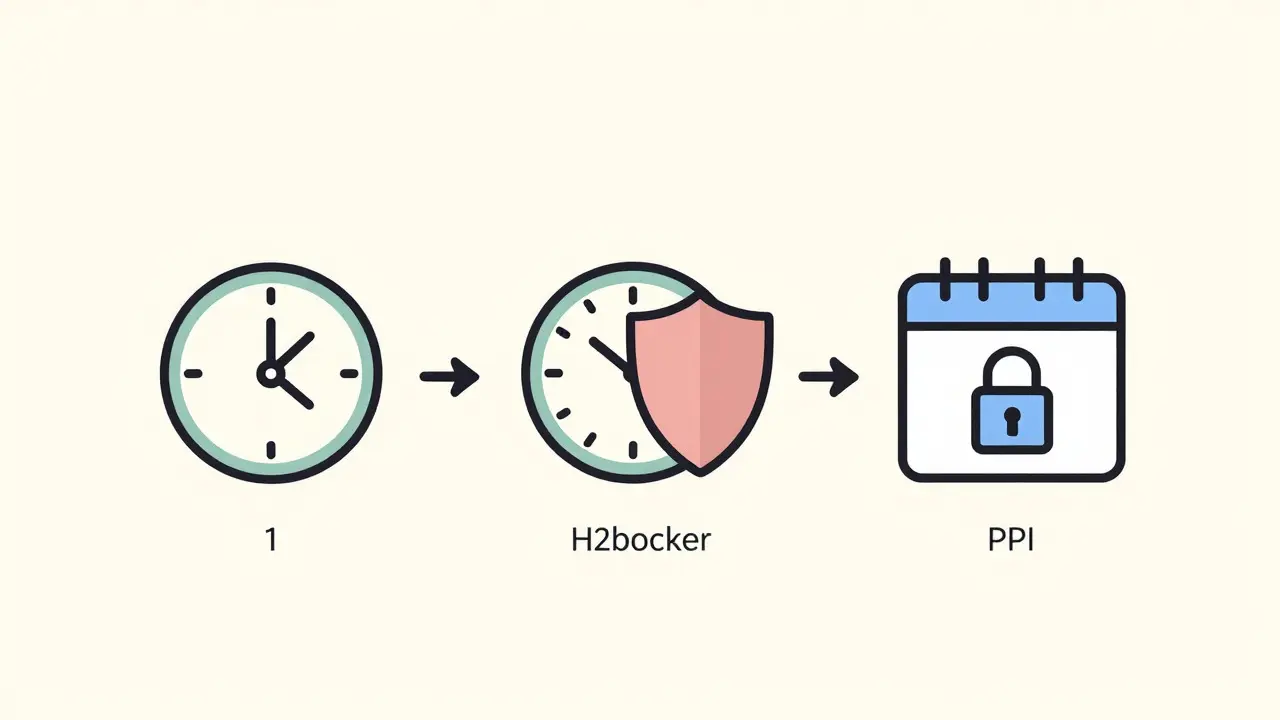
Selecting the right medication depends entirely on how often and how severely you experience heartburn. Here is a simple decision framework based on clinical guidelines:
- Less than once a week: Stick with antacids. They provide quick relief without the complexity or potential side effects of stronger drugs.
- 1-2 times a week: Try an H2 blocker. Take it preventatively before meals that typically trigger your symptoms. It offers longer-lasting relief than antacids without the heavy commitment of PPIs.
- 2 or more days a week: Consider a 14-day course of a PPI. This is the gold standard for frequent heartburn. Follow the dosing instructions strictly, and reassess after two weeks. If symptoms persist, see a doctor.
Many people combine strategies. For example, using a PPI during the day for sustained protection and keeping antacids on hand for breakthrough symptoms at night. However, always space out antacids and PPIs by at least two hours to avoid interference.
Safety and Side Effects to Watch For
No medication is without potential downsides. Antacids are generally safe but can cause constipation (calcium/aluminum) or diarrhea (magnesium). H2 blockers have few side effects but may interact with blood thinners like warfarin. PPIs, while safe for short-term use, require vigilance regarding long-term health impacts. Always read the label, follow the recommended dosage, and consult a healthcare provider if you have existing kidney disease, osteoporosis, or are taking multiple medications.
Can I take antacids and PPIs together?
Yes, but timing is crucial. Take your PPI 30-60 minutes before breakfast. If you need an antacid for immediate relief later in the day, wait at least 2 hours after taking your PPI to avoid interfering with its absorption. Never take them simultaneously.
Why does my PPI not seem to work immediately?
PPIs are not designed for instant relief. They work by inhibiting acid production at the cellular level, which takes 1-3 days to reach maximum effect. For immediate relief, use an antacid alongside your PPI regimen until the PPI kicks in.
Is it safe to use H2 blockers every day?
H2 blockers are generally safe for short-term daily use, but their effectiveness may decrease after 2-3 weeks due to tolerance. If you need daily relief beyond this period, consult a doctor about switching to a PPI or investigating underlying causes.
What are the risks of long-term PPI use?
Long-term PPI use (over a year) has been associated with increased risks of vitamin B12 and magnesium deficiency, bone fractures, kidney issues, and certain infections. Always use the lowest effective dose for the shortest duration necessary and discuss long-term use with your physician.
When should I see a doctor for heartburn?
See a doctor if OTC medications don't resolve your symptoms after 14 days, if you have difficulty swallowing, unexplained weight loss, persistent vomiting, or if you experience heartburn more than twice a week consistently despite treatment.
Written by Felix Greendale
View all posts by: Felix Greendale