
Medication Side Effect Checker
How This Tool Works
Based on real-world pharmacovigilance data, this tool helps you identify potential medication-related side effects. Enter your symptoms and medications to see if there's a known connection. Remember: This is not medical advice. If you experience serious symptoms, contact your healthcare provider immediately.
Results
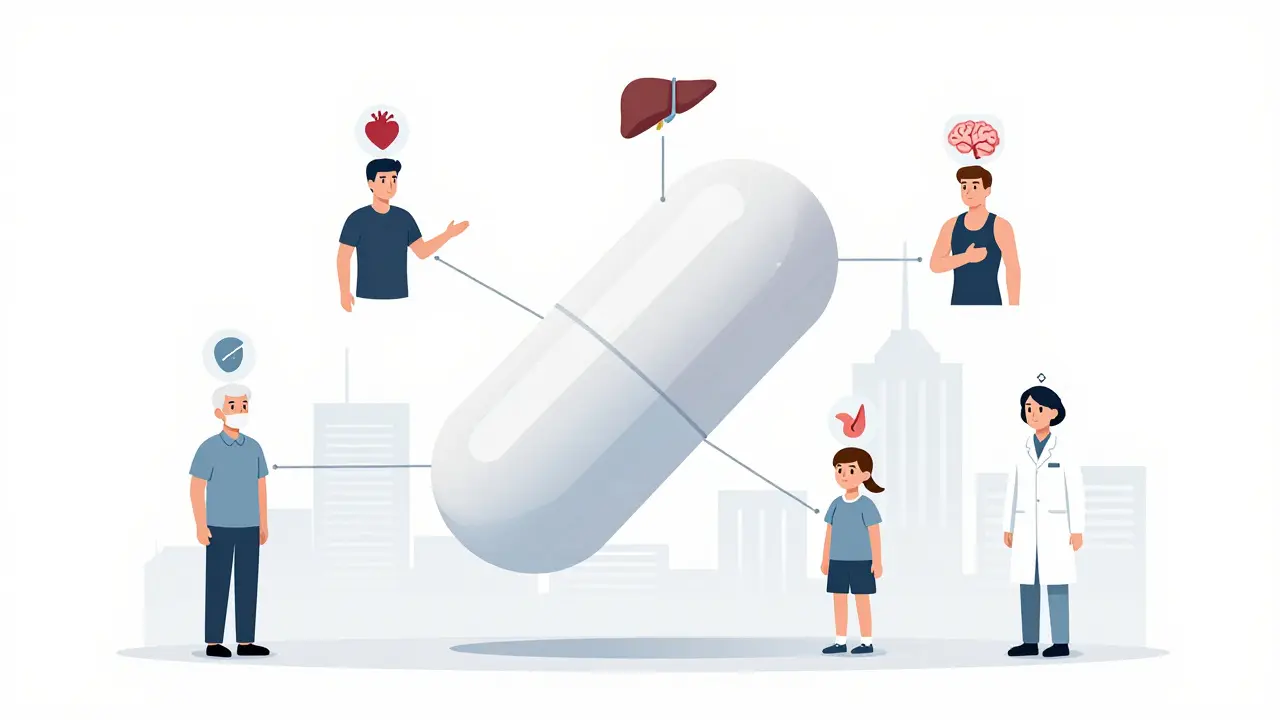
When a new medicine hits the market, it’s easy to assume its safety is already proven. Clinical trials test it on thousands of people - but that’s not enough. Real life is messier. People take multiple drugs at once. They have different ages, genetics, chronic illnesses, and lifestyles. That’s when hidden side effects show up. Post-marketing pharmacovigilance is how we find them.
Why Clinical Trials Aren’t Enough
Clinical trials are tightly controlled. Participants are carefully selected. They’re monitored closely. And they’re usually healthy enough to stick to the study protocol. But in the real world? A 72-year-old with kidney disease takes the same pill as a 28-year-old athlete. One might get sick. The other won’t. And if only one in 10,000 people has a rare reaction, it’s unlikely to show up in a trial of 5,000 people.That’s why drugs can be approved, then pulled off shelves years later. Vioxx, a painkiller, was linked to heart attacks only after 80 million people used it. Thalidomide caused birth defects because it was never tested on pregnant women - a mistake that changed medicine forever. These aren’t rare cases. They’re why we need systems that watch drugs after they’re sold.
How Side Effects Are Caught After Approval
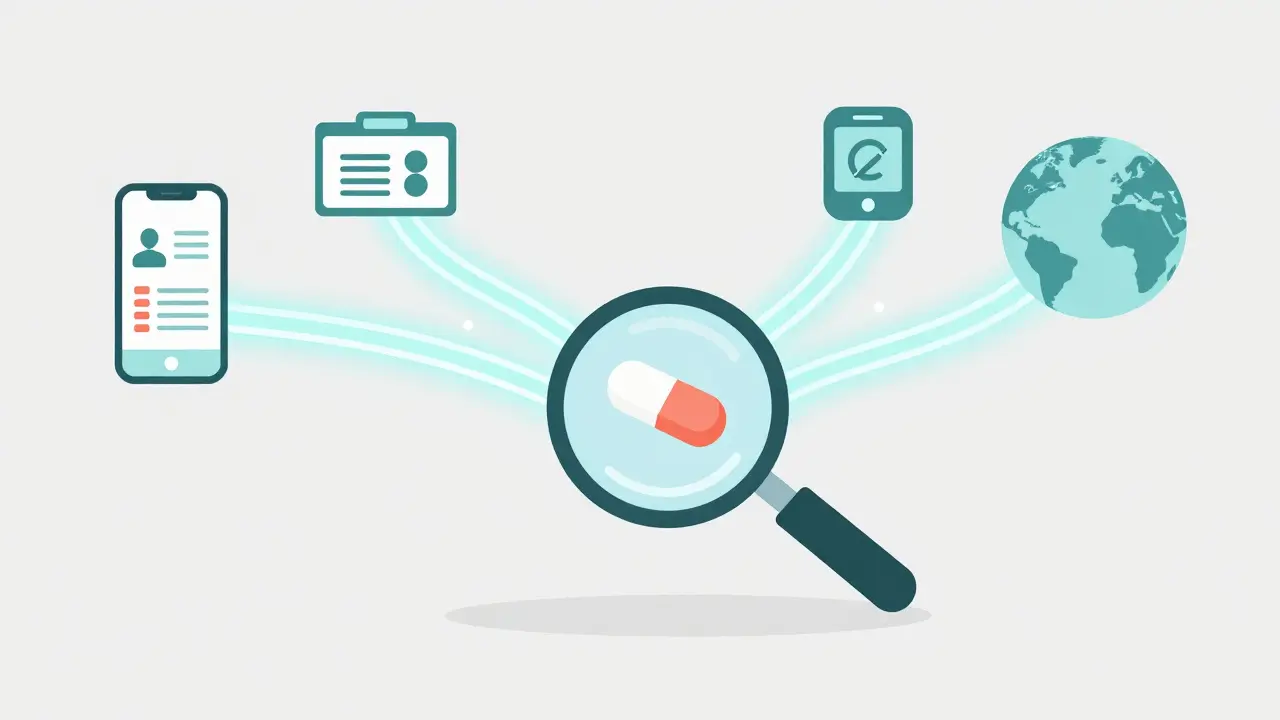
There are five main ways new side effects are spotted after a drug is on the market.- Spontaneous reporting: Doctors, pharmacists, and even patients report unusual reactions. In the U.S., the FDA’s MedWatch system gets about 1.2 million reports a year. In the UK, the Yellow Card Scheme collects around 87,000 annually. But here’s the catch: experts estimate only 1% to 10% of actual side effects get reported. Most people don’t know they can report, or think it’s too much trouble.
- Electronic health records (EHRs): Systems like the FDA’s Sentinel Initiative scan data from over 300 million patient records. It looks for patterns - like a sudden spike in liver damage among people taking a new diabetes drug. This is active surveillance. It doesn’t wait for someone to report. It hunts for problems.
- Prescription event monitoring: In the UK and parts of Europe, researchers track who gets prescribed a new drug and what happens next. If 500 people get a new antibiotic and 12 develop severe rashes within a week, that’s a red flag.
- Patient registries: For drugs used in rare diseases, doctors follow specific groups long-term. If a new cancer drug causes nerve damage after two years, registries catch it before it spreads.
- Data linkage: Systems like the UK’s Clinical Practice Research Datalink (CPRD) connect prescription data, hospital records, and death certificates. If people taking Drug X die from heart failure at twice the normal rate, that’s a signal.
These methods don’t work in isolation. They cross-check each other. A doctor reports a rare skin reaction. EHRs show it’s happening more often than expected. A registry confirms it’s tied to a specific gene. That’s how science turns noise into evidence.
Global Systems Compared
Different countries run their own systems, but they’re getting more connected.The U.S. relies heavily on passive reporting (MedWatch) but has the most advanced active system: Sentinel. It pulls data from hospitals, insurers, and pharmacies - all in real time. The European Union uses EudraVigilance, a centralized database that collected 28.5 million reports from 108 countries by 2022. It’s more standardized, but enforcement varies by country.
The UK’s Yellow Card Scheme is the oldest in the world, started in 1964. It’s simple: healthcare workers fill out a form, online or by app. It’s not perfect - 61% of pharmacists say they’re unsure what counts as reportable - but it works because it’s accessible.
Japan requires companies to monitor new drugs for 4 to 10 years after approval. That’s longer than anywhere else. It’s expensive, but it’s caught problems others missed.
Meanwhile, many low-income countries have almost no system. Africa has only 38 national pharmacovigilance centers for 54 countries. Reporting rates there are 100 times lower than in Europe. That’s not just a gap - it’s a danger.
Who Reports - and Why They Don’t
Doctors and pharmacists are supposed to be the frontline. But in a 2022 survey, 68% of U.S. physicians said reporting to MedWatch was “cumbersome.” It takes an average of 22 minutes per report. Many skip it.Patients? Only 12% even know about MedWatch. But when asked if they’d report a side effect with a simple app, 83% said yes. That’s the future: easy, mobile, clear. The UK’s Yellow Card app saw a 40% increase in reports after it launched. Simplicity works.
Pharmacists in the U.S. told Reddit users they’re tired of reporting the same thing to state and federal systems twice. Duplication kills participation. Streamlining matters.
What Happens When a Signal Is Found
Finding a pattern isn’t the end - it’s the start. Once a potential safety issue is flagged, experts dig deeper.Algorithms in EudraVigilance scan millions of reports every quarter. In 2022, they flagged 1,843 possible issues. Of those, 287 were confirmed as real risks. That’s how the EMA found that a new antidepressant increased suicidal thoughts in teens - a risk not seen in trials.
When a risk is confirmed, regulators can:
- Update the drug label to warn about the side effect
- Require doctors to get special training before prescribing
- Limit who can get the drug (like restricting thalidomide to patients who use birth control)
- Ask the company to run more studies
- Withdraw the drug entirely (like Vioxx in 2004)
But delays happen. A 2021 study found that 40% of required post-marketing safety studies were late. That’s dangerous. If a drug causes liver damage, and the follow-up study is delayed by two years, hundreds of people might get hurt.
The Future: AI, Wearables, and Real-Time Monitoring
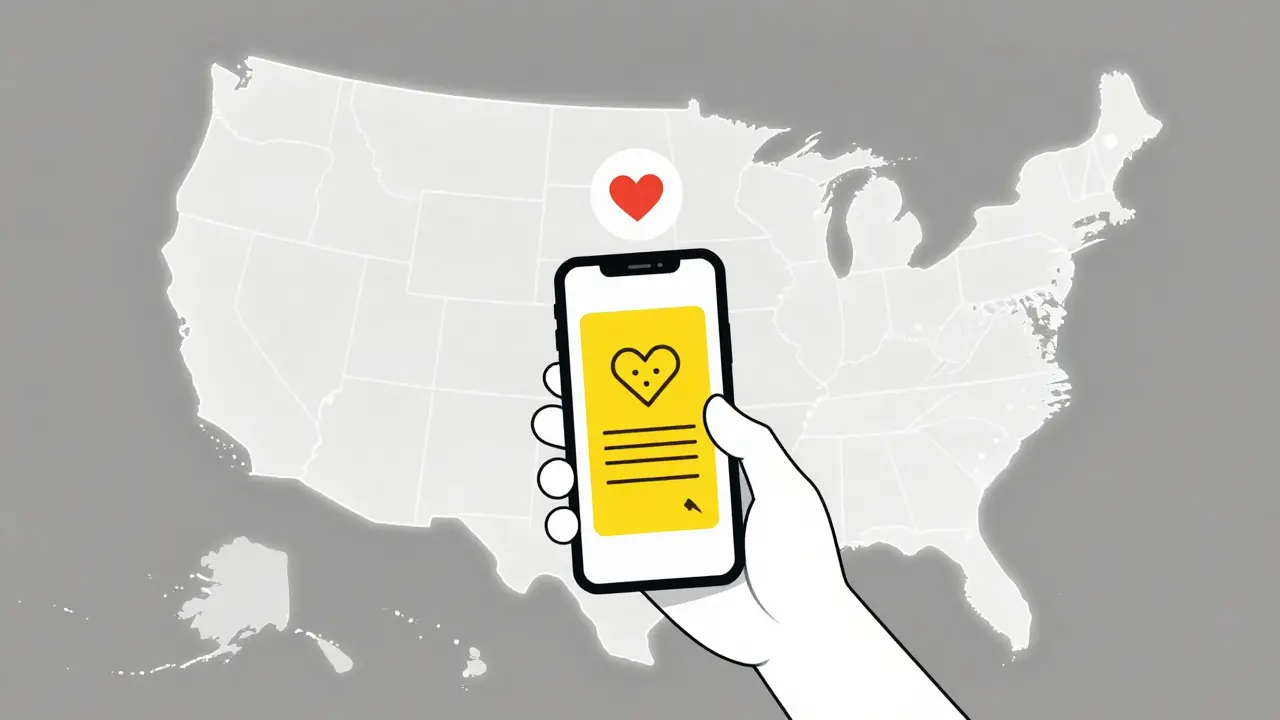
The next wave is faster, smarter, and more connected.The FDA’s new Sentinel 3.0 uses artificial intelligence to scan 5 million new patient records every day. It finds signals 73% faster than before. IBM Watson Health can predict side effects by analyzing social media posts - like people complaining about dizziness after taking a new pill.
Apple and Pfizer are testing wearables that track heart rhythm. If thousands of users on a new asthma drug start showing irregular pulses, the system alerts regulators before a single doctor reports it.
Blockchain is being tested to securely share data between countries without losing privacy. Novartis and Roche ran a pilot called MedLedger - it kept data tamper-proof and 99.8% accurate.
By 2030, experts predict real-world evidence from these systems will shape 65% of drug approval decisions - up from just 28% today. That means fewer surprises. Fewer withdrawals. More safety.
What You Can Do
You don’t need to be a doctor to help. If you notice something unusual after starting a new medication - fatigue, rash, mood changes, strange pains - report it.Don’t assume it’s “just you.” If one person feels it, others might too. And if no one reports it, regulators won’t know.
Use your country’s reporting system. In the U.S., go to MedWatch. In the UK, use the Yellow Card app. It takes five minutes. It might save someone’s life.
And if you’re a patient - ask your pharmacist: “Has this drug had any new safety warnings?” Knowledge is your shield.
What is post-marketing pharmacovigilance?
Post-marketing pharmacovigilance is the ongoing monitoring of drug safety after a medication has been approved and sold to the public. It tracks adverse reactions that weren’t seen in clinical trials because those trials involve too few people and too narrow a population. This system catches rare, delayed, or interaction-related side effects that only appear when millions use the drug in real life.
Why do some drugs get pulled off the market years after approval?
Drugs are approved based on limited data from clinical trials - usually under 5,000 people over a few years. But once millions use the drug, rare side effects emerge. For example, Vioxx increased heart attack risk only after 80 million people took it. Post-marketing surveillance detected this pattern, leading to its withdrawal in 2004. These delays aren’t failures - they’re proof the system is working.
How do I report a side effect?
In the U.S., visit the FDA’s MedWatch website or call 1-800-FDA-1088. In the UK, use the Yellow Card app or website. You can report as a patient, caregiver, or healthcare provider. You don’t need to be certain - if you suspect a link between a drug and a new symptom, report it. Even incomplete reports help. The system is designed to collect patterns, not perfect details.
Are all side effects reported?
No. Studies show only 1% to 10% of adverse reactions are officially reported. Many people don’t know how or think it’s not their job. Doctors are busy. Patients assume it’s normal. But every unreported case is a missing piece. That’s why systems now use electronic health records and AI to find patterns even when reports are missing.
Can pharmacovigilance prevent drug recalls?
Yes - and that’s the goal. Early detection often leads to label updates, usage restrictions, or warnings instead of full withdrawal. For example, after a new diabetes drug was linked to pancreatitis, regulators added a black box warning and required doctors to check blood tests before prescribing. That saved lives without removing the drug entirely. The best outcome isn’t always a recall - it’s smarter use.
Is post-marketing surveillance only for new drugs?
No. While new drugs are monitored most closely, older drugs can still have hidden risks. For example, long-term use of certain painkillers was later linked to kidney damage. Even drugs used for decades can be re-evaluated when new data emerges - especially when combined with other medications or in new patient groups like the elderly or pregnant women.


Written by Felix Greendale
View all posts by: Felix Greendale