
SGLT2 Side Effect Risk Estimator
Patient Profile
Risk Assessment
Dehydration & Dizziness Probability:
Standard hydration protocols apply.
Starting a new medication for type 2 diabetes or heart failure can feel like a win, but the first few weeks often bring an unexpected challenge. You might find yourself feeling lightheaded when you stand up, constantly thirsty, or noticing your blood pressure readings dipping lower than usual. These aren't just random glitches; they are direct results of how SGLT2 inhibitors, also known as gliflozins, work in your body. Drugs like empagliflozin (Jardiance), dapagliflozin (Farxiga), and canagliflozin (Invokana) are powerful tools, but their mechanism involves flushing extra glucose and sodium out through your urine. This process creates a mild diuretic effect that can lead to dehydration, dizziness, and significant changes in blood pressure if not managed correctly.
How SGLT2 Inhibitors Cause Diuresis and Fluid Loss
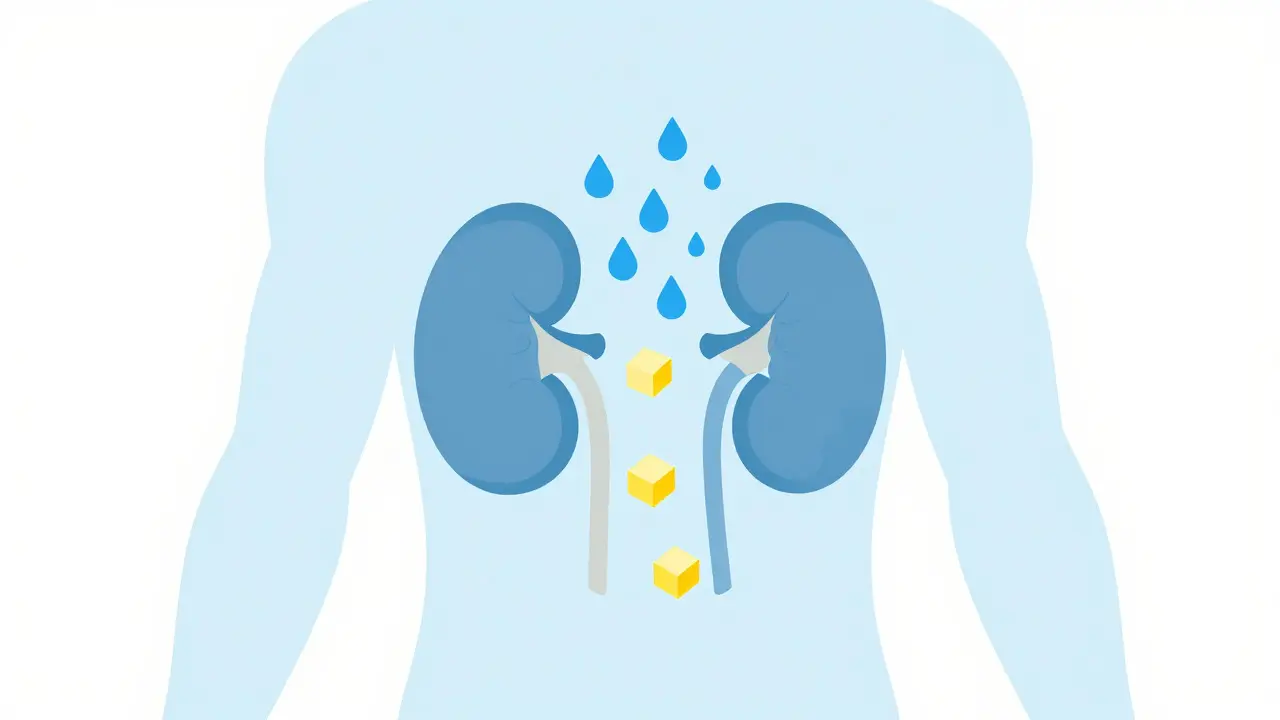
To understand why you feel different on these drugs, you need to look at what happens inside your kidneys. Normally, your kidneys filter your blood and reabsorb about 90% of the glucose back into your system. SGLT2 inhibitors block the protein responsible for this reabsorption. The result? Your body excretes roughly 200-300 grams of glucose daily in your urine. But here is the catch: water follows sugar. As glucose leaves your body, it pulls water with it, creating what doctors call osmotic diuresis.
This isn't just about sugar loss. By blocking glucose reabsorption, these drugs also prevent sodium from being reabsorbed efficiently. Sodium holds onto water, so when sodium leaves, more water follows. Clinical data shows this leads to a fluid loss of about 1 to 1.5 liters in the very first week of treatment. For many patients, especially those with heart failure, this reduction in fluid volume is exactly what we want-it reduces the strain on the heart. However, for someone who is already running low on fluids, this rapid shift can tip the balance toward dehydration.
- Osmotic Diuresis: Water follows excreted glucose out of the body.
- Natriuresis: Increased sodium excretion leads to further fluid loss.
- Rapid Onset: Most fluid loss occurs within the first 7 days of starting therapy.
The Risk of Dehydration and Volume Depletion
Dehydration is the most common concern associated with the diuretic effects of SGLT2 inhibitors. It’s not always dramatic; sometimes it’s subtle. You might notice darker urine, a dry mouth that doesn’t go away after drinking water, or a general sense of fatigue. In clinical trials, volume depletion-related adverse events occurred in about 1.3% to 2.8% of patients taking SGLT2 inhibitors, compared to less than 1% in placebo groups.
Certain groups are at higher risk. If you are over 65, your body’s thirst mechanism may not be as sharp, making it easier to become dehydrated without realizing it. Studies show that older adults experience dehydration complications at more than double the rate of younger patients. Additionally, if you have moderate kidney impairment (eGFR between 30 and 60 mL/min/1.73m²) or are taking other diuretics like furosemide (Lasix), the risk increases significantly. The CANVAS program found that canagliflozin increased the risk of volume depletion by 1.7 times in these high-risk scenarios.
Hot weather and exercise compound this risk. If you’re working out or spending time in the heat, your body loses fluids through sweat. Add the extra fluid loss from your medication, and you can quickly drop into a state of volume depletion. This is why monitoring your weight weekly during the first month is crucial. A sudden drop of more than 2-3 pounds in a day or two is a red flag that you’ve lost too much fluid.
Dizziness and Orthostatic Hypotension Explained
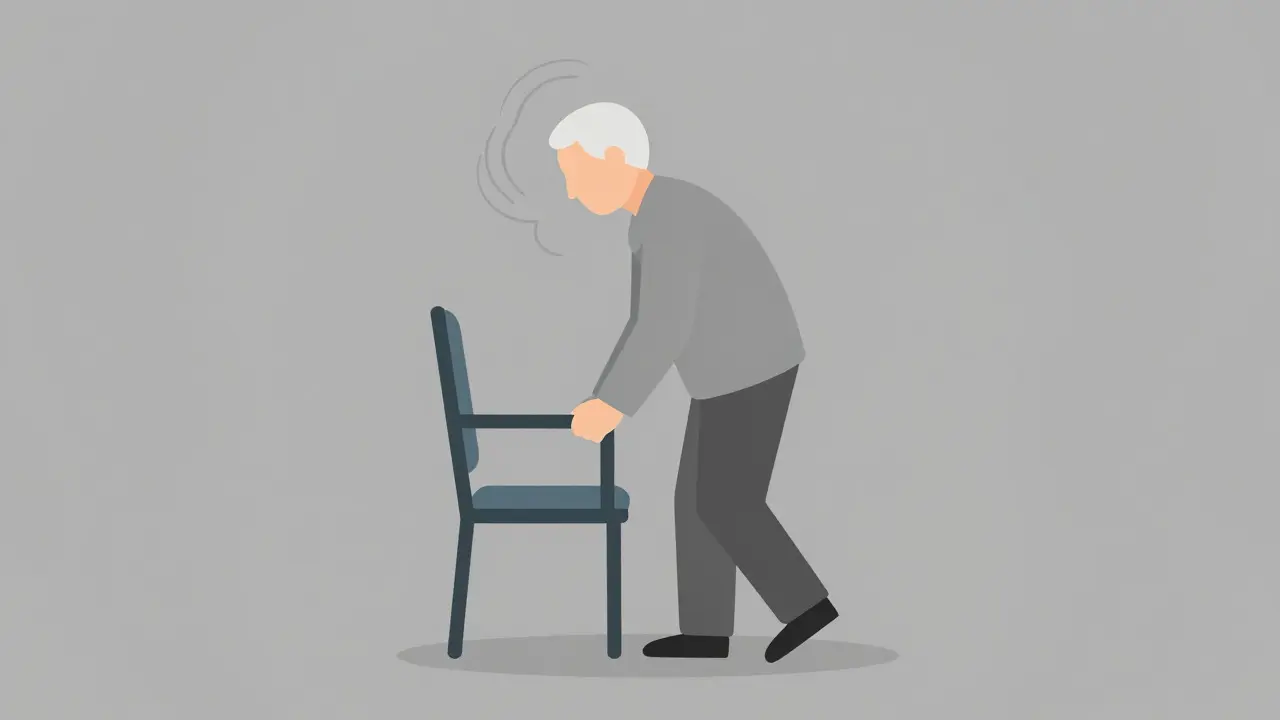
If you’ve ever stood up too quickly and felt the room spin, you know orthostatic hypotension. SGLT2 inhibitors make this more likely because of the fluid loss described above. When your blood volume drops, your blood pressure falls. When you stand up, gravity pulls blood down to your legs, and your heart has to work harder to pump it back up to your brain. If there isn’t enough fluid in your system, your brain gets less oxygen for a few seconds, causing dizziness or lightheadedness.
Data from post-marketing surveillance shows that dizziness is reported in about 4.7% of all adverse event reports for SGLT2 inhibitors. Canagliflozin tends to have the highest reporting rate, followed by dapagliflozin and empagliflozin. Most cases of dizziness happen within the first four weeks of starting the drug, which aligns perfectly with the period of maximum fluid contraction. About 63% of people experiencing dizziness also show signs of orthostatic hypotension-a drop in systolic blood pressure of 20 mmHg or more upon standing.
Don’t ignore this symptom. While dizziness itself might seem minor, it increases your risk of falls, which can be serious, especially for older adults. If you feel dizzy, sit down immediately. Check your blood pressure lying down and then standing up. If there’s a significant drop, talk to your doctor. They may adjust your dose or review other medications you’re taking.
Blood Pressure Changes: Benefit or Burden?
Here is where things get interesting. The same mechanism that causes dehydration and dizziness also lowers blood pressure, which is generally a good thing for people with hypertension, heart failure, or chronic kidney disease. SGLT2 inhibitors reduce mean arterial pressure by 3-5 mmHg, with systolic drops of 4-6 mmHg and diastolic drops of 1-2 mmHg seen within just one or two weeks.
This blood pressure reduction happens through two paths. First, losing fluid reduces preload-the amount of blood returning to the heart. Second, the drugs improve endothelial function and reduce arterial stiffness, lowering afterload-the resistance the heart must pump against. These effects are independent of blood sugar control, meaning even non-diabetic patients see benefits. In fact, the reduction in intraglomerular pressure helps protect the kidneys, slowing the decline of kidney function by 30-50% in some studies.
However, "lower is better" only goes so far. If your baseline blood pressure is already on the lower side (systolic below 120 mmHg), you are at a much higher risk of symptomatic hypotension. Patients with low baseline BP are over three times more likely to experience dizziness and fainting spells. The goal is to keep your blood pressure in a healthy range without letting it dip so low that you feel unwell.
| Drug Name | Common Brand | Dizziness Incidence | Volume Depletion Risk | BP Reduction (Systolic) |
|---|---|---|---|---|
| Empagliflozin | Jardiance | ~3.8% | Moderate | 4-6 mmHg |
| Dapagliflozin | Farxiga | ~4.1% | Moderate | 4.5 mmHg |
| Canagliflozin | Invokana | ~6.3% | Higher (1.7x vs placebo) | Variable |
Practical Steps to Manage Side Effects
You don’t necessarily have to stop your medication if you experience these side effects. In most cases, simple adjustments can help your body adapt. Here is a practical checklist to follow during the first month of treatment:
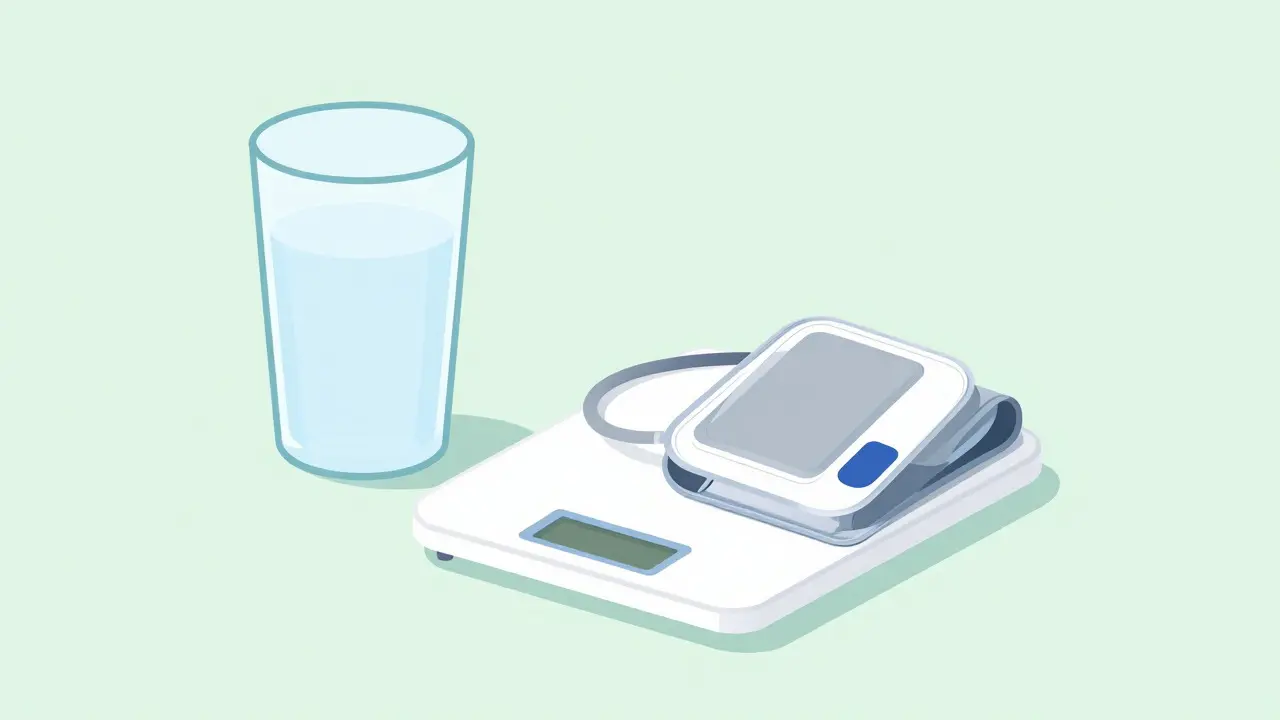
- Hydrate Proactively: Don’t wait until you’re thirsty. Aim to drink an extra 500-1000 mL of water per day, especially in hot weather or if you exercise. Monitor your urine color; it should be pale yellow.
- Check Orthostatic BP: Measure your blood pressure while sitting, then stand up and measure it again after one minute. If your systolic BP drops by more than 20 mmHg, inform your doctor.
- Move Slowly: When getting out of bed or standing up from a chair, do it slowly. Give your cardiovascular system time to adjust to the change in position.
- Monitor Weight: Weigh yourself once a week. Expect an initial loss of 1.5-2.5 kg due to fluid loss. If you lose more than that rapidly, contact your healthcare provider.
- Review Other Meds: If you take other blood pressure meds or diuretics, ask your doctor if doses need adjustment. Sometimes reducing a diuretic by 25-50% can resolve dizziness without stopping the SGLT2 inhibitor.
If symptoms persist beyond the first few weeks, or if you experience severe dizziness, confusion, or fainting, seek medical attention. Temporary discontinuation might be necessary during acute illnesses like vomiting or diarrhea, as these conditions exacerbate fluid loss.
When to Consult Your Doctor
While mild dizziness and thirst are common, certain signs warrant immediate professional advice. Contact your healthcare provider if:
- You feel dizzy frequently or fall.
- Your blood pressure consistently reads below 90/60 mmHg.
- You have persistent nausea, vomiting, or diarrhea.
- You notice swelling in your ankles or feet (which could indicate other issues).
- You are over 75 and experiencing any new symptoms.
Doctors often start patients on a lower dose, such as 10 mg of empagliflozin instead of 25 mg, to minimize these risks. They may also schedule a follow-up within 7-10 days to check your volume status and electrolytes. Remember, the cardiovascular and renal benefits of SGLT2 inhibitors are profound, but managing the initial diuretic effects is key to staying on the medication long-term.
How long does dizziness last when starting SGLT2 inhibitors?
Most patients experience dizziness within the first 4 weeks of starting therapy, coinciding with the peak fluid loss. For many, symptoms subside as the body adjusts to the new fluid balance. If dizziness persists beyond a month, consult your doctor to check for underlying issues or medication interactions.
Can SGLT2 inhibitors cause severe dehydration?
Yes, particularly in older adults, those with kidney impairment, or people taking other diuretics. Severe dehydration can lead to hospitalization. Signs include dark urine, extreme thirst, dry mouth, and confusion. Staying hydrated and monitoring weight can help prevent this.
Do SGLT2 inhibitors lower blood pressure too much?
They lower blood pressure by an average of 4-6 mmHg systolic. This is beneficial for most, but if your baseline BP is low (<120 mmHg), you may experience symptomatic hypotension. Doctors may adjust other blood pressure medications to prevent this.
Should I stop taking my SGLT2 inhibitor if I feel dizzy?
Not necessarily. Mild dizziness is common initially. Try increasing fluid intake and moving slowly when standing. If symptoms are severe or persistent, contact your doctor before stopping. They may adjust your dose rather than discontinuing the drug entirely.
Which SGLT2 inhibitor has the lowest risk of dizziness?
Empagliflozin and dapagliflozin generally have lower reported rates of dizziness compared to canagliflozin. However, individual responses vary. Discuss your specific health profile with your doctor to choose the best option for you.


Written by Felix Greendale
View all posts by: Felix Greendale