
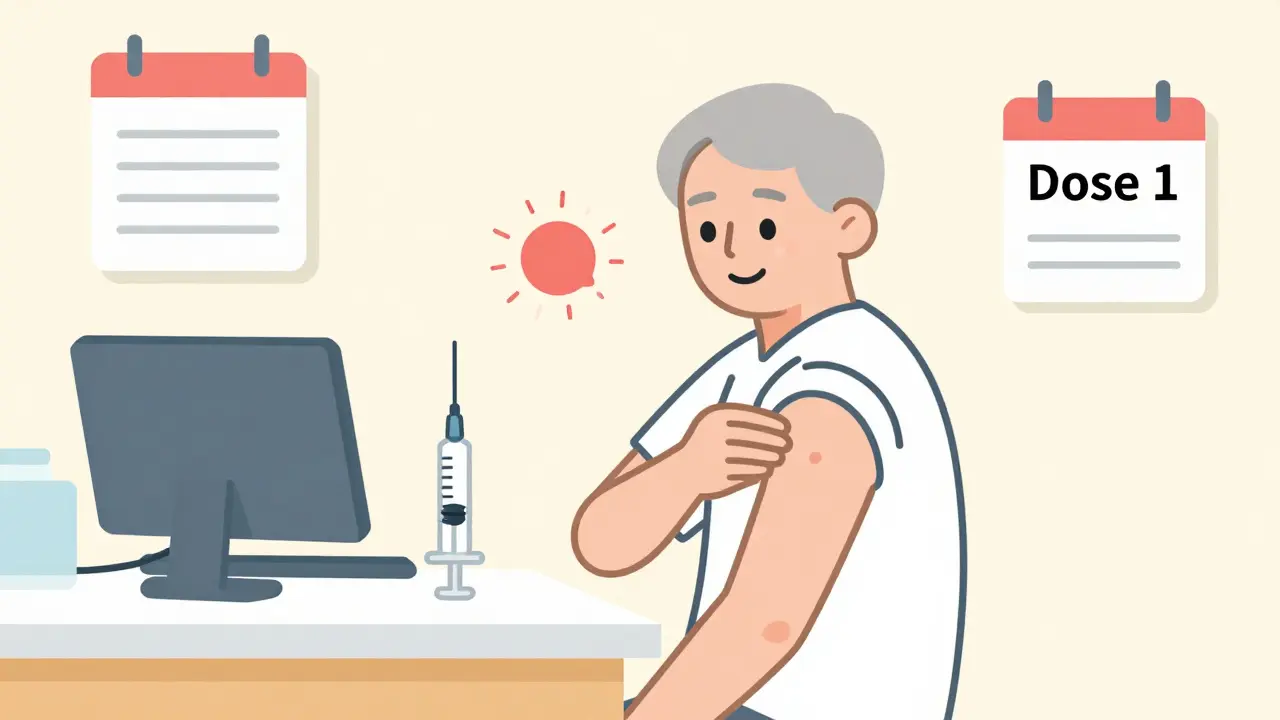
Shingles isn’t just a rash. For many people, it’s months of burning pain that won’t go away-even after the blisters heal. That’s because shingles is caused by the same virus that gives you chickenpox as a child. Once you’ve had chickenpox, the virus stays in your nerves, quietly waiting. As you get older, or if your immune system weakens, it can wake up and cause shingles. And the older you are, the worse it gets. That’s why the shingles vaccine isn’t just a good idea-it’s one of the most important shots adults over 50 can get.
Who Needs the Shingles Vaccine?
If you’re 50 or older, you should get the shingles vaccine. That’s the simple rule. You don’t need to wait until you’re 60 or 65. The CDC and major medical groups agree: start at 50. Even if you’ve had shingles before, you can still get the vaccine. It lowers your chance of getting it again.
There’s one big exception: if you’ve ever had a severe allergic reaction to any part of the vaccine, you shouldn’t get it. That’s rare. But if you’re unsure, talk to your doctor. The vaccine is also safe for people with chronic conditions like diabetes, heart disease, or even those on low-dose immune-suppressing drugs. In fact, people with weakened immune systems are at higher risk for severe shingles, so the vaccine is especially important for them.
Since 2020, the only shingles vaccine available in the U.S. is Shingrix. The old one, Zostavax, was pulled off the market because Shingrix works far better. Zostavax was only about half as effective. Shingrix cuts your risk of shingles by over 90% in people 50 and older. Even at 80, it still works at 85% effectiveness. That’s not a small difference-it’s life-changing.
When Should You Get It?
Shingrix is a two-dose shot. The first dose is the start. The second dose comes 2 to 6 months later. That window gives your body time to build strong, lasting protection. Don’t skip the second dose. About one in three people don’t come back for it, and that leaves them unprotected.
If you’re 19 or older and have a weakened immune system-because of cancer treatment, organ transplant, HIV, or certain medications-you can get the second dose as early as one month after the first. That’s a key change from earlier guidelines. The minimum gap is 28 days. If you get it sooner than that, you’ll need to repeat the dose.
There’s no upper age limit. Even if you’re 85, getting Shingrix still makes sense. The risk of shingles keeps climbing with age. By 85, one in four people will get it. The pain can last for years. That’s called postherpetic neuralgia, or PHN. It’s the most common and cruel complication. Shingrix reduces your risk of PHN by more than 90%. That’s why experts say: if you’re 50+, get both doses.
What Are the Side Effects?
Yes, Shingrix can make you feel under the weather-for a day or two. About 8 out of 10 people have soreness, redness, or swelling at the injection site. Nearly half feel muscle aches. One in three gets tired or has a headache. About one in five gets a fever. These aren’t signs of shingles. They’re signs your immune system is working.
Most people feel back to normal within 48 hours. But some feel worse. One woman in her 60s wrote online: “I had a fever and couldn’t get out of bed for two days after my second shot.” That’s rare, but it happens. That’s why experts advise: don’t schedule a big event, a job interview, or a long trip right after your shot. Give yourself a couple of days to recover.
Compared to the old vaccine, Shingrix causes more side effects. But that’s because it’s stronger. And it works better. Think of it like this: a little discomfort now to avoid months of pain later.
How Much Does It Cost?
Shingrix costs about $185 to $220 per dose in 2025. That’s two doses, so expect to pay $370 to $440 out of pocket if you don’t have coverage.
But most people don’t pay that much. Medicare Part D covers Shingrix with no copay for most plans. If you have private insurance, it’s usually covered too. The Affordable Care Act requires most plans to cover recommended vaccines without cost-sharing. Check with your plan, but don’t assume you can’t afford it.
If you’re uninsured or underinsured, look into the Vaccines for Children program (for adults with low income) or local health departments. Some pharmacies offer discount programs. And remember: the cost of treating shingles-doctor visits, pain meds, lost work days-can easily top $10,000 if complications arise.
What If You’ve Already Had Shingles?
Even if you’ve had shingles, you can still get Shingrix. The virus can come back. It’s rare, but it happens. One study found about 6% of people who had shingles got it again within 8 years. That’s why the CDC says: get vaccinated after your rash clears up. Wait at least until the blisters are gone. You don’t need to wait a year. Three to six months is fine.
Some people think, “I already had it, so I’m immune.” That’s not true. The virus doesn’t go away. It just hides. And your immune system gets weaker over time. The vaccine gives you a boost.
What About the New Single-Dose Vaccine?
There’s good news on the horizon. GlaxoSmithKline, the maker of Shingrix, is testing a single-dose version in Phase II trials. Early results look promising. If it works, it could mean fewer missed doses and higher vaccination rates.
But it’s not available yet. Don’t wait. The current two-dose Shingrix is proven, safe, and effective. Waiting for a future version could leave you unprotected. If you’re 50 or older, get started now.
Why This Matters More Than Ever
By 2030, one in five Americans will be over 65. That means more people at risk for shingles. And with more people living longer, the number of cases of postherpetic neuralgia will rise unless we vaccinate.
Shingles isn’t just an old person’s problem. It can strike anyone who’s had chickenpox. But the older you are, the more likely it is to cause serious damage. The vaccine doesn’t just prevent a rash. It prevents nerve pain that can last for years. It prevents sleepless nights, depression, and loss of independence.
Doctors, pharmacists, and public health experts all agree: Shingrix is one of the most effective vaccines we have for adults. It’s not just about avoiding discomfort. It’s about protecting your quality of life.
What’s the Next Step?
Call your doctor. Or walk into a pharmacy. You don’t need a prescription. Most pharmacies offer the vaccine. Bring your insurance card. Ask if you’re eligible. If you’re 50 or older, you are.
Don’t wait for your doctor to bring it up. Most don’t. Only 42% of adults over 60 have been vaccinated. That’s too low. You’re the best advocate for your own health. Take the first step. Get the first shot. Then make sure you get the second one.
Shingles doesn’t ask for permission. But the vaccine does. And it’s your turn to say yes.


Written by Felix Greendale
View all posts by: Felix Greendale