
Sleep Aid Safety Checker
Select Your Sleep Aid
Safety Assessment
Recommended Alternatives
Based on your selections, your safest options may include:
- Cognitive Behavioral Therapy for Insomnia (CBT-I)
- Improving sleep hygiene practices
- Non-pharmacological approaches
Consult with your healthcare provider for personalized advice.
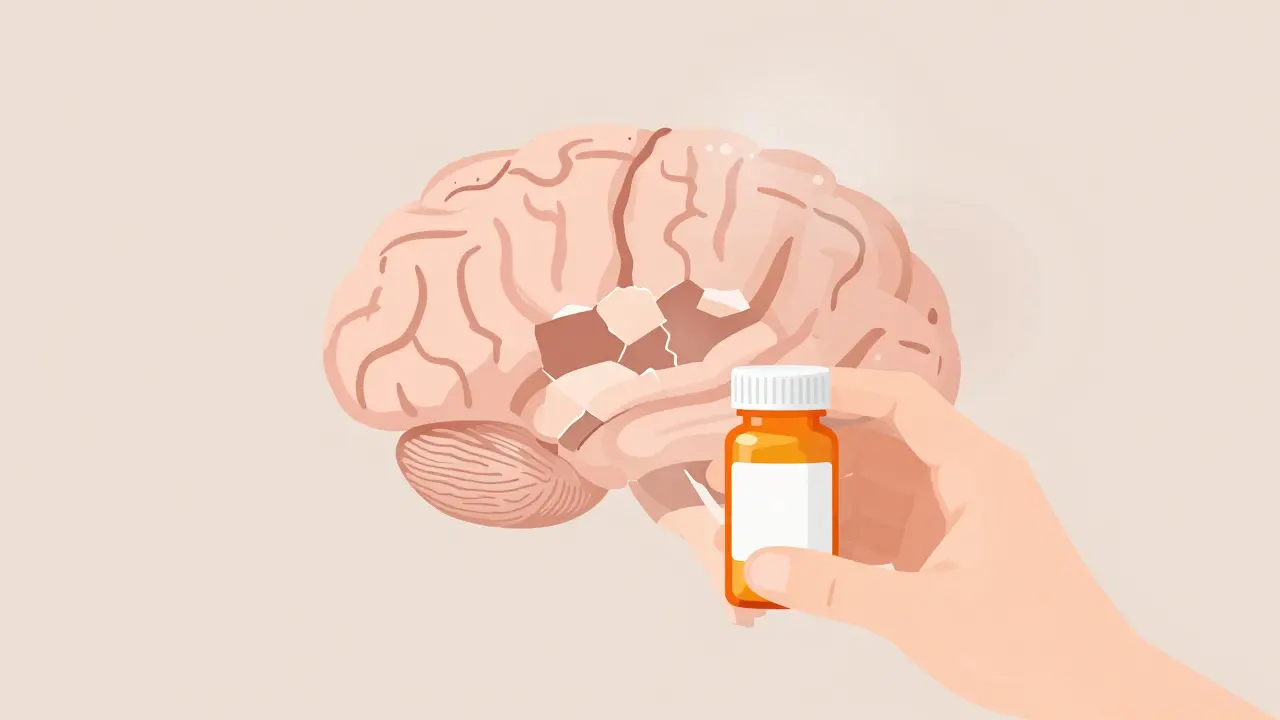
Many people reach for sleep aids when insomnia strikes. But these medications can have hidden risks to brain health. In the U.S., over 4.6 million seniors use sleep medications - and research shows some types might accelerate cognitive decline.
Understanding How Sleep Aids Work
Not all sleep aids are the same. They work in different ways to help you sleep. Some calm brain activity, others block wakefulness signals. Understanding these differences is key to knowing their risks.
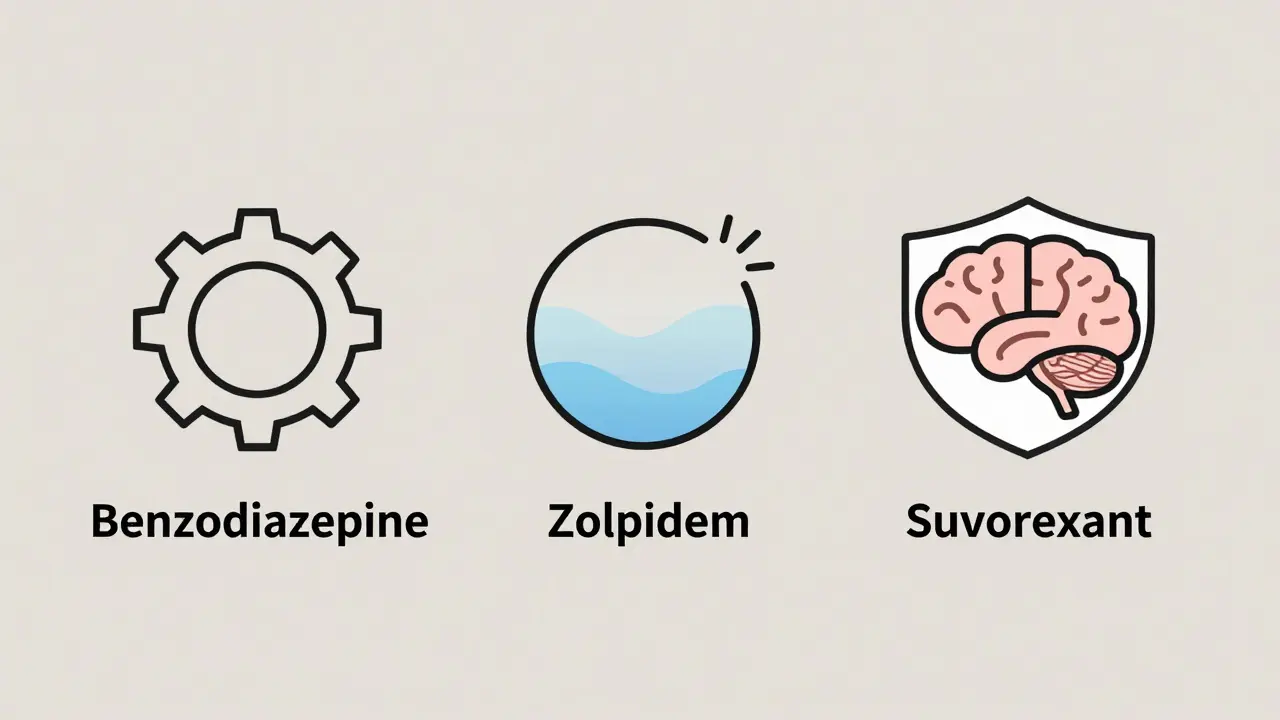
Benzodiazepines like diazepam (Valium) and lorazepam (Ativan) were once common for sleep. Today, they're mostly used for anxiety. However, some older adults still take them for insomnia. These drugs increase GABA activity, which calms the brain. But this can also slow down neural communication. That's why people feel drowsy - and why they often struggle with memory and focus the next day.
zolpidem (brand name Ambien) is a non-benzodiazepine hypnotic that targets GABA receptors in the brain. It's commonly prescribed for short-term insomnia treatment but can cause next-day drowsiness and memory issues.
suvorexant (brand name Belsomra) is a dual orexin receptor antagonist. It blocks wakefulness signals without affecting GABA pathways, reducing cognitive side effects compared to older medications.
Melatonin supplements are popular for sleep, but they work differently. They help regulate your sleep-wake cycle but don't induce sleep like other medications. They're generally safe but have limited effectiveness for chronic insomnia. The National Institutes of Health recommends them only for circadian rhythm disorders, not as a general sleep aid.
Cognitive Side Effects by Medication Type
Each medication class carries unique risks. Benzodiazepines and similar drugs have the strongest link to cognitive problems. A 2021 study in PMC found routine sleep medication users faced a 30% higher risk of dementia over time. But this risk varies by race and drug type. White participants who frequently used sleeping pills had a 79% higher dementia risk versus rare users, while Black participants showed no significant association. This suggests genetic and environmental factors play a role.
Zolpidem and trazodone had no direct link to mild cognitive impairment in a 2019 NIH study of 3,296 people. Some researchers think these medications might even help slow decline in those with sleep issues. But benzodiazepines like lorazepam and alprazolam consistently show cognitive harm. They slow reaction times by 15-20% and reduce memory accuracy in controlled tests.
Anticholinergic medications - sometimes used for sleep - are particularly dangerous for cognition. Dr. Malaz Boustani's research confirmed they cause mild cognitive impairment involving memory loss. The good news? This impairment might be reversible if caught early. However, the American Geriatrics Society explicitly advises older adults to avoid these drugs due to fall risks and cognitive decline.
DORAs like suvorexant show the most promise. A 2023 study in Annals of Neurology found suvorexant reduced Alzheimer's-related proteins in a two-night trial. While this is preliminary, it suggests these drugs might protect brain health instead of harming it. Dr. Brendan Lucey, a sleep medicine expert, cautions: 'It's too early to say suvorexant prevents Alzheimer's. But it's a promising area of research.'
Real-World Evidence: Studies and User Stories
User experiences align with clinical findings. On Reddit's sleep community, a 2023 thread with 147 comments showed 63% of zolpidem users found it effective short-term. But 78% reported next-day grogginess, and 42% experienced memory lapses during the night. On Drugs.com, 38% of 1,100 zolpidem reviews rated it 2 stars or lower, with 'amnesia episodes' mentioned in 29% of negative reviews.
Suvorexant users report better experiences. Of 850 reviews, 62% gave it 4+ stars, often citing 'less morning impairment' compared to other medications. SleepReview.com's 2022 survey of 1,200 patients found 58% discontinued prescription sleep aids within six months due to cognitive side effects. 'Brain fog' (73%) and 'trouble concentrating' (68%) were top reasons. Older adults (65+) reported more severe symptoms - 82% of seniors experienced next-day grogginess versus 58% of younger users. This aligns with research showing aging brains are more vulnerable to medication side effects.
Safer Alternatives to Sleep Medications
The American Geriatrics Society recommends avoiding most sleep medications for older adults. Instead, they suggest Cognitive Behavioral Therapy for Insomnia (CBT-I). This isn't medication - it's a structured program that changes thoughts and behaviors around sleep. CBT-I requires 6-8 weekly sessions with a therapist. Digital platforms like Sleepio offer comparable results for $300-$500 per course, versus $1,500+ for in-person therapy.
Cognitive Behavioral Therapy for Insomnia (CBT-I)is a structured program that helps change thoughts and behaviors causing insomnia. It's recommended as the first-line treatment by medical guidelines.
The learning curve is steeper than medication. You won't feel better overnight - it takes 2-3 weeks to see initial improvements. But the benefits last longer. Unlike pills, CBT-I doesn't cause cognitive side effects or dependence. Studies show it's as effective as medication for insomnia and works better over time. It's now the recommended first-line treatment by medical guidelines.
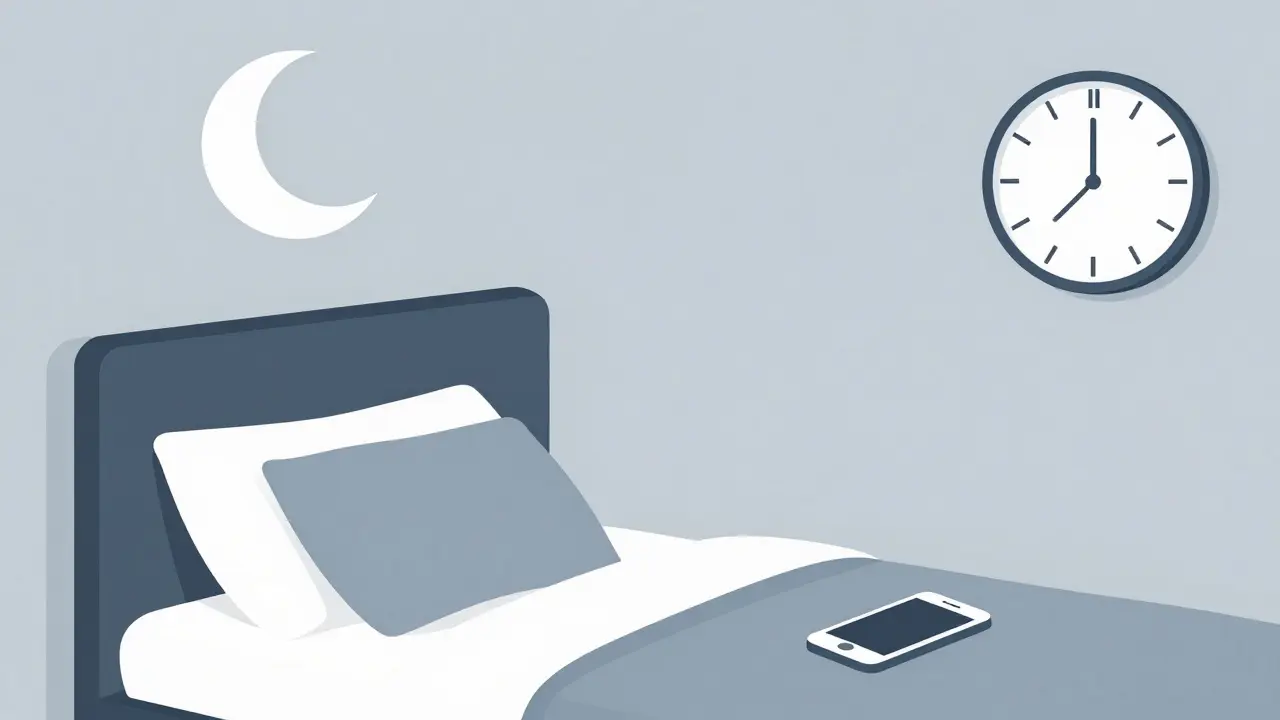
Other non-pharmacological options include sleep hygiene practices: keeping a consistent bedtime, avoiding screens before bed, and creating a cool, dark sleep environment. The National Sleep Foundation provides free resources for these strategies. With 2.5 million monthly users, their advice is trusted by millions.
Do all sleep aids cause cognitive side effects?
No, not all sleep aids carry the same risks. Benzodiazepines and anticholinergics are most linked to cognitive decline. Newer drugs like suvorexant (a DORA) show minimal cognitive impact and may even have protective effects. Always discuss your specific medication with a doctor to understand its risks.
Can cognitive side effects from sleep aids be reversed?
Yes, for some medications. Anticholinergic-induced cognitive impairment may be reversible if caught early and stopped. However, long-term use of benzodiazepines can lead to lasting changes. Always consult a healthcare provider before stopping medication - abrupt discontinuation can cause dangerous withdrawal symptoms.
What's the safest sleep aid for older adults?
The American Geriatrics Society advises avoiding most sleep medications for seniors. If medication is necessary, suvorexant (Belsomra) is currently the safest option based on available evidence. However, non-drug approaches like CBT-I are strongly recommended as the first choice. Always follow your doctor's guidance.
How does CBT-I compare to sleep medications?
CBT-I is more effective long-term than medications. While sleep aids work quickly (within hours), CBT-I takes 2-3 weeks to show results. However, CBT-I provides lasting benefits without side effects or dependence. Studies show it's as effective as medication for insomnia and works better over time. It's now the recommended first-line treatment by medical guidelines.
Are there natural alternatives to prescription sleep aids?
Yes, but with caveats. Melatonin supplements can help regulate sleep cycles but don't treat chronic insomnia. Herbal remedies like valerian root have limited evidence. The most effective natural approach is improving sleep hygiene: consistent bedtime, dark/cool room, no screens before bed. For persistent issues, CBT-I is the gold standard non-drug solution.


Written by Felix Greendale
View all posts by: Felix Greendale