
Rosacea Treatment Selector
Find Your Best Rosacea Treatment
This tool recommends the most suitable rosacea treatments based on your symptoms, budget, and preferences.
Recommended Treatments
Looking for the best way to tame rosacea? Soolantra has become a go‑to, but how does it stack up against other options? This guide walks through the science, the side‑effects, the price tags, and the real‑world results so you can decide if the ivermectin cream fits your skin-or if another formula might work better.
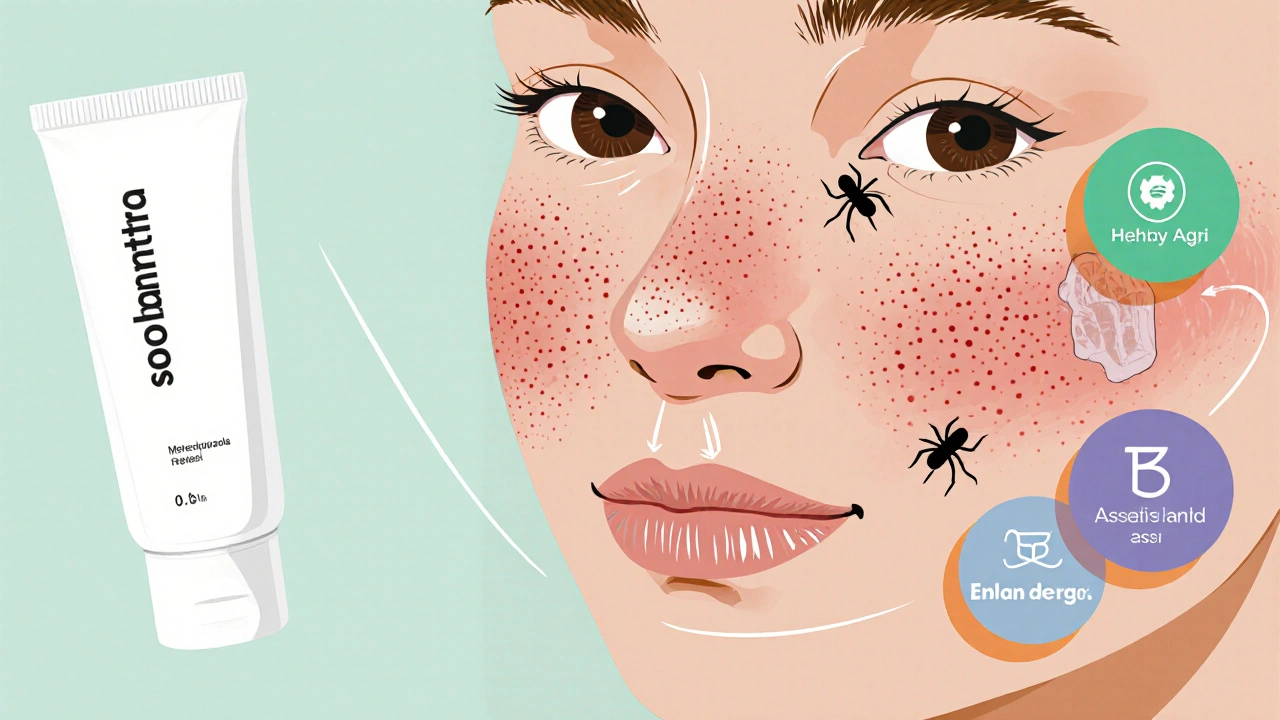
Rosacea is a chronic inflammatory skin condition that typically appears on the cheeks, nose, chin, and forehead, producing redness, papules, and sometimes visible blood vessels.
Quick Takeaways
- Soolantra delivers 1% ivermectin, targeting the mites and inflammation that fuel rosacea.
- Metronidazole and azelaic acid are long‑standing topical choices with solid safety records.
- Brimonidine offers rapid redness relief but works only on visible blood vessels.
- Oral doxycycline tackles deeper inflammation but carries systemic side‑effects.
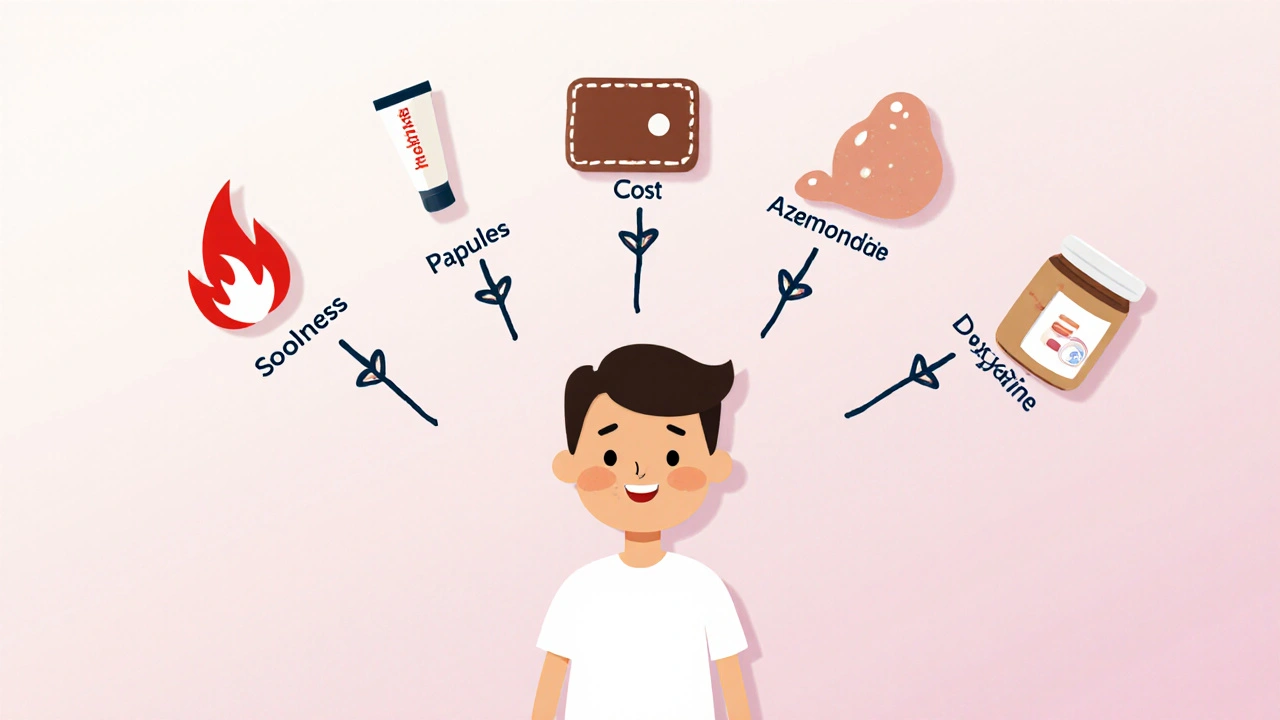
- Cost, prescription requirements, and skin sensitivity often dictate the final pick.
What is Soolantra?
Soolantra is a prescription‑only cream that contains 1% ivermectin, an antiparasitic agent originally used for worm infections. When applied to the face, the drug reduces the population of Demodex mites and moderates the inflammatory cascade that causes papules, pustules, and persistent redness.
How ivermectin works in rosacea
Ivermectin is an antiparasitic agent that kills mites and modulates immune response. Ivermectin interrupts the nerve impulses of Demodex mites, leading to their death. Fewer mites mean less bacterial overgrowth and a drop in inflammatory mediators such as interleukin‑1 and tumor necrosis factor‑α. Clinical trials show up to a 70% reduction in inflammatory lesions after 12 weeks of daily use.
Demodex mites are microscopic skin‑dwelling arachnids that populate hair follicles and are linked to rosacea flare‑ups.
Key attributes of Soolantra
- Efficacy: 12‑week studies report a mean 65‑70% lesion‑count reduction, comparable to metronidazole but with faster onset for many patients.
- Application: Apply a thin layer once daily to clean, dry skin, preferably in the evening.
- Side‑effects: Mild burning, itching, or dryness in 5‑10% of users; serious reactions are rare.
- Prescription status: Requires a doctor’s script in the U.S., Canada, and most European markets.
- Cost: Branded version averages $200‑$250 for a 30‑gram tube; generic ivermectin creams may drop the price by 30‑40%.
Popular alternatives to Soolantra
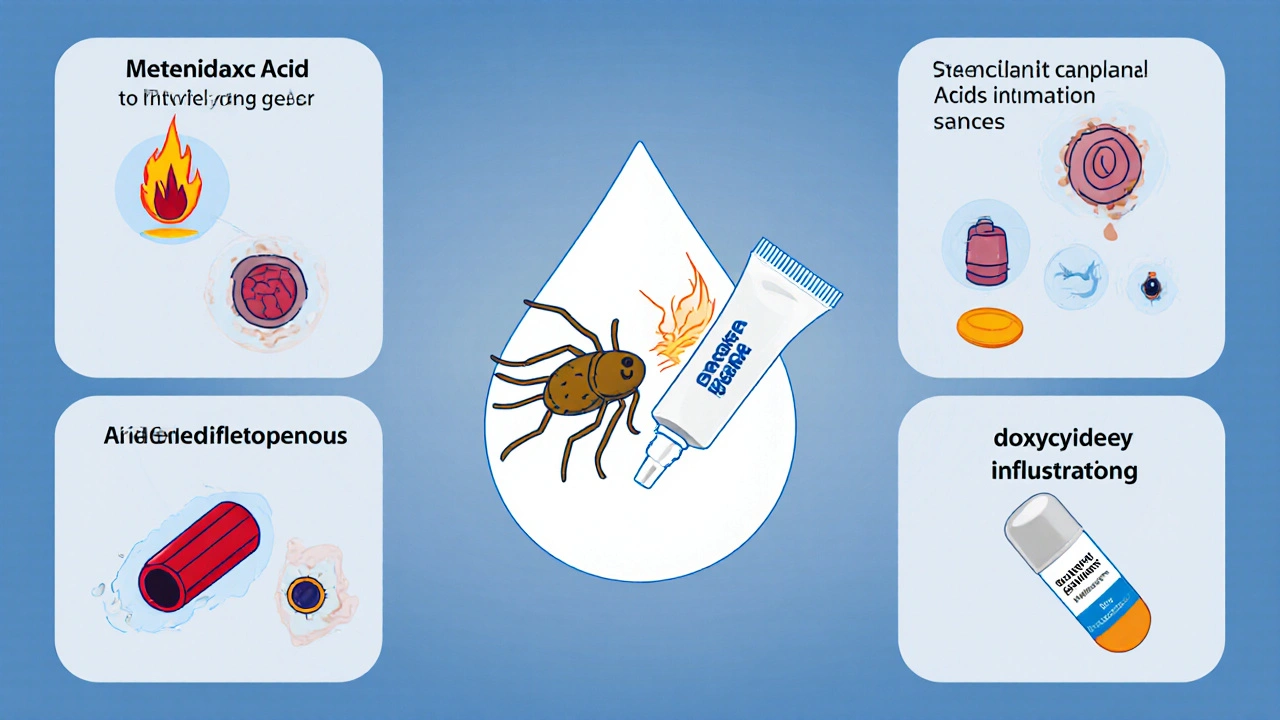
Below are the most frequently prescribed or over‑the‑counter (OTC) options for rosacea. Each has a distinct mechanism and a different safety profile.
Metronidazole
Metronidazole is an anti‑bacterial and anti‑inflammatory topical gel or cream that has been the cornerstone of rosacea therapy for decades. It reduces inflammatory lesions by inhibiting neutrophil chemotaxis and decreasing free‑radical production.
Azelaic Acid
Azelaic Acid is a naturally occurring dicarboxylic acid found in grains such as barley and wheat. At 15‑20% concentrations it unclogs pores, kills acne‑causing bacteria, and lightens post‑inflammatory hyperpigmentation.
Brimonidine
Brimonidine is a selective α2‑adrenergic receptor agonist formulated as a 0.33% gel. It works by constricting superficial blood vessels, delivering noticeable redness reduction within 30 minutes.
Oral Doxycycline
Doxycycline is a tetracycline antibiotic taken orally at low doses (40 mg daily) for its anti‑inflammatory properties rather than its antibacterial action. It inhibits matrix metalloproteinases, which are implicated in rosacea‑related tissue breakdown.
Combination therapies
Many dermatologists pair a topical (like metronidazole or azelaic acid) with an oral agent (like doxycycline) for moderate‑to‑severe cases. This layered approach attacks both surface lesions and deeper inflammation.
Side‑by‑side comparison
| Attribute | Soolantra (Ivermectin) | Metronidazole | Azelaic Acid | Brimonidine | Oral Doxycycline |
|---|---|---|---|---|---|
| Mechanism | Parasitic & anti‑inflammatory | Anti‑bacterial & anti‑inflammatory | Keratolytic & anti‑bacterial | Vasoconstriction | Anti‑inflammatory (MMP inhibition) |
| Typical onset | 4‑6 weeks | 4‑8 weeks | 6‑12 weeks | 30 minutes | 2‑4 weeks |
| Prescription? | Yes | Yes (often OTC in low dose) | OTC (15‑20%) | Prescription | Prescription |
| Common side‑effects | Burning, itching | Skin irritation, dryness | Stinging, redness | Transient redness, mild burning | GI upset, photosensitivity |
| Price (30 g) | $220 - $250 | $120 - $150 | $80 - $130 | $180 - $210 | $30 - $60 per month |
| Best for | Inflammatory papules/pustules, Demodex‑related | Mild‑moderate lesions, long‑term maintenance | Sensitive skin, hyperpigmentation | Redness‑dominant flushing | Severe inflammatory rosacea, ocular involvement |
When to choose Soolantra over other options
If your main complaint is stubborn papules and pustules that haven’t responded to metronidazole or azelaic acid, the anti‑Demodex action of ivermectin can make a noticeable difference. It’s also a solid pick when you need a single‑agent solution-no need to juggle a gel and an oral pill.
When alternatives might be a smarter pick
- Rapid redness control: Brimonidine gives almost immediate visual relief, making it ideal for special events or photos.
- Very sensitive skin: Azelaic acid’s soothing profile and low irritation risk suit those who can’t tolerate the mild burning of Soolantra.
- Cost‑conscious patients: Generic metronidazole or over‑the‑counter azelaic acid are cheaper, especially when insurance doesn’t cover Soolantra.
- Systemic inflammation or ocular rosacea: Low‑dose doxycycline reaches deeper tissue layers that a topical cream can’t.
Practical tips for using topical ivermectin
- Cleanse with a mild, fragrance‑free cleanser and pat dry-avoid rubbing.
- Apply a pea‑size amount to each affected area once a day, preferably at night.
- Wait 15‑20 minutes before applying other moisturizers or sunscreen.
- Use a broad‑spectrum SPF 30+ sunscreen every morning; UV exposure can reignite inflammation.
- Give the product at least 8‑12 weeks before judging its full effect.
Safety considerations
Because Soolantra is prescription‑only, a dermatologist will screen for allergies, pregnancy, and existing skin conditions such as eczema. If you experience severe burning, swelling, or signs of infection, discontinue use and seek medical advice.
Frequently Asked Questions
Can I use Soolantra if I’m pregnant?
Pregnancy data are limited, and most clinicians recommend avoiding topical ivermectin unless the benefits clearly outweigh potential risks. Talk to your OB‑GYN before starting.
How long does it take to see results?
Most patients notice a reduction in redness and papules after 4‑6 weeks, but optimal clearance often requires 12 weeks of consistent use.
Is ivermectin cream suitable for oily skin?
Yes. The formulation is lightweight and non‑comedogenic, making it safe for oily or acne‑prone skin types.
Can I combine Soolantra with other rosacea products?
Generally you can layer a gentle moisturizer and sunscreen. Avoid using additional prescription topicals (e.g., metronidazole) at the same time unless your doctor advises it.
What should I do if I miss a dose?
Apply the missed dose as soon as you remember, then continue with your regular schedule. Skipping multiple days may delay improvement.
Bottom line
Choosing the right rosacea regimen hinges on your primary symptoms, budget, and how quickly you need relief. Soolantra offers a unique anti‑mite approach that works well for persistent inflammatory lesions, but alternatives like metronidazole, azelaic acid, brimonidine, and oral doxycycline each bring strengths that may better match a particular skin profile.


Written by Felix Greendale
View all posts by: Felix Greendale