
SSRI Side Effects Comparison Tool
Common Side Effects
- Nausea (High)
- Headache (Medium)
- Dizziness (Low)
- Sleep changes (Medium)
- Sexual dysfunction (High)
- Weight gain (Medium)
- Insomnia (Medium)
- Serotonin syndrome (Low)
- Hyponatremia (Low)
- Discontinuation syndrome (High)
SSRI Comparison
| SSRI | Best For | Worst Side Effects |
|---|---|---|
| Citalopram (Celexa) | General use, low side effect burden | QT prolongation at high doses |
| Fluoxetine (Prozac) | Long-term use, once-weekly dosing possible | Insomnia, weight gain over time |
| Sertraline (Zoloft) | Anxiety, OCD, good balance | Initial nausea, decreased appetite |
| Escitalopram (Lexapro) | Depression, anxiety, clean profile | Dizziness, memory fog, headache |
| Paroxetine (Paxil) | Severe anxiety, panic | Weight gain, sexual dysfunction, withdrawal |
| Fluvoxamine (Luvox) | OCD | Most side effects overall, highest discontinuation rate |
When you start taking an SSRI for depression or anxiety, you’re not just hoping for relief-you’re also stepping into a world of possible side effects. Some are mild and fade quickly. Others stick around, change your life, or even scare you enough to quit. The truth? Almost 9 out of 10 people on SSRIs experience at least one side effect. And nearly 6 in 10 find them bothersome enough to affect work, relationships, or sleep.
What Are SSRIs, Really?
SSRIs-Selective Serotonin Reuptake Inhibitors-are the most common antidepressants prescribed today. They work by blocking serotonin from being sucked back into brain cells, leaving more of it floating around to help stabilize mood. Fluoxetine (Prozac) was the first, approved in 1987, and since then, drugs like sertraline (Zoloft), escitalopram (Lexapro), paroxetine (Paxil), and citalopram (Celexa) have become household names.They’re not perfect, but compared to older antidepressants like tricyclics or MAOIs, SSRIs are safer in overdose and cause fewer heart or dry-mouth problems. That’s why doctors reach for them first. But safety doesn’t mean silence. Side effects? They’re real. And they’re more common than most pill bottles let on.
Mild Side Effects: The First Few Weeks
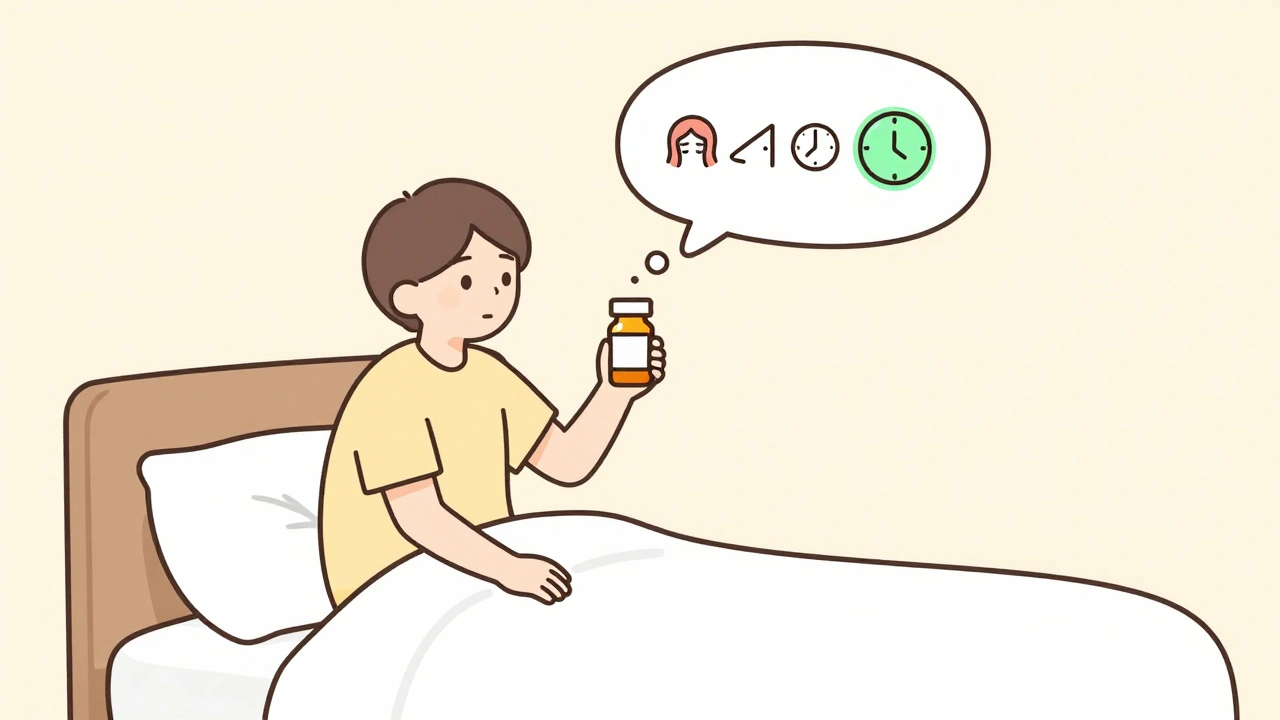
When you start an SSRI, your body doesn’t adapt overnight. The first 1-2 weeks are often the toughest. You might feel like you’ve got the flu-but without the fever.- Nausea: Happens in about half of users. Taking the pill with food cuts it in half for most people.
- Headache: Usually fades within 10 days. Drink water, rest, and give it time.
- Diarrhea or constipation: GI upset is common. Loperamide (Imodium) helps diarrhea in 65% of cases, according to clinical studies.
- Dizziness or lightheadedness: Especially when standing up fast. Slow down. Your blood pressure is adjusting.
- Sleep changes: Some feel sleepy. Others can’t sleep. Timing the dose matters-take it in the morning if it’s keeping you up.
Here’s the good news: 78% of these early side effects disappear within 3-6 weeks. Your brain rewires itself. Your gut calms down. Your body learns to live with the new serotonin levels. If you stick it out, most of this fades.
The Big Ones: Sexual Dysfunction and Weight Gain
If mild side effects are the noise at the start, sexual dysfunction and weight gain are the long-term echoes.Sexual side effects hit 56% of users-maybe more. Men report delayed or absent ejaculation. Women report low desire, trouble reaching orgasm. Some say it’s worse than the depression itself. Reddit users on r/antidepressants say 68% consider this their worst side effect. And 42% say it lasts beyond six months-even after the depression lifts.
Why? SSRIs overstimulate serotonin receptors in the spinal cord and genitals. It’s not psychological. It’s biological. And it’s not rare. Studies show up to 70% of long-term users experience it.
Options? Some reduce their dose. Others take a “medication holiday” on weekends (though that’s risky without doctor approval). Some add bupropion (Wellbutrin), which doesn’t cause sexual side effects and can counter them. Sildenafil (Viagra) helped 67% of men in one trial. But none of these are quick fixes. You need to talk to your doctor.
Weight gain is another silent issue. About 49% of users gain weight on SSRIs. Not always a lot-maybe 5-10 pounds-but it adds up. Paroxetine and mirtazapine (though not an SSRI) are the worst offenders. Fluoxetine can cause initial weight loss, then gain later. Sertraline? Neutral for many.
Why? Serotonin affects appetite, metabolism, and fat storage. Long-term use can also nudge insulin resistance, raising diabetes risk. A 2023 FDA update now warns about this. But here’s the win: people who add regular exercise and a structured diet gain 3.2 kg less over six months than those who don’t. Lifestyle isn’t optional-it’s part of the treatment.
Severe Side Effects: When to Call for Help
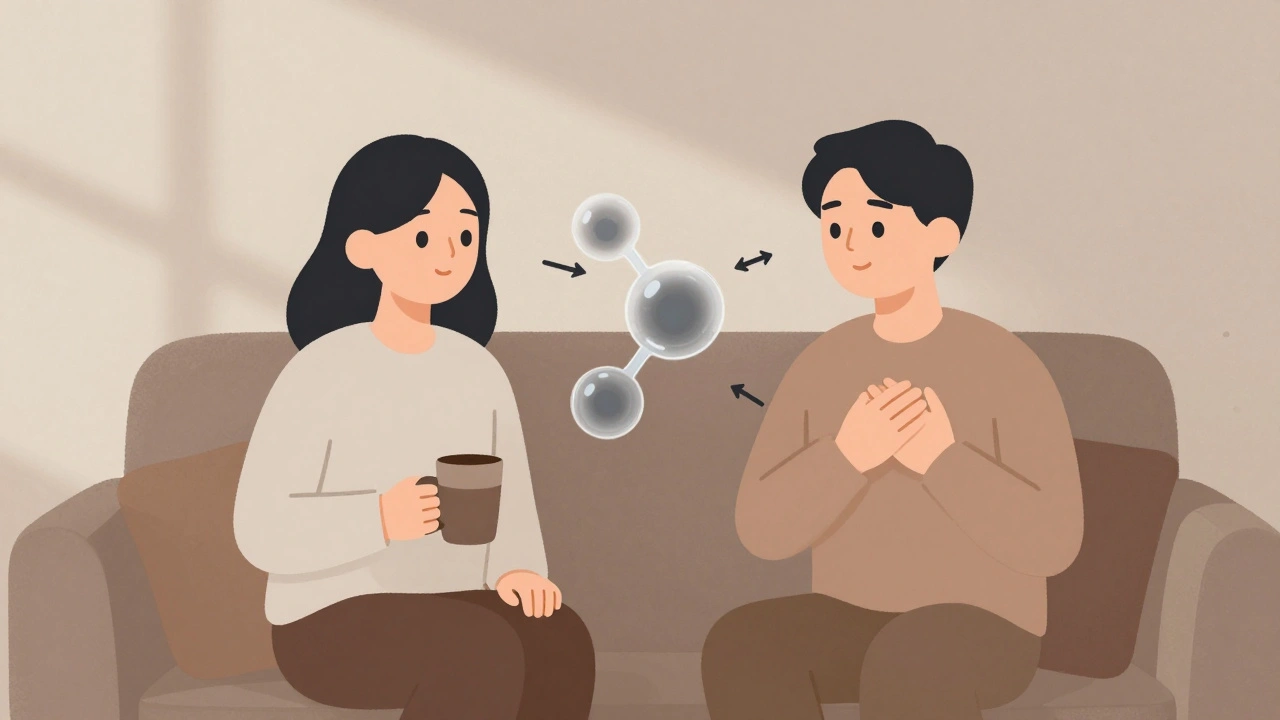
Most side effects fade. But some don’t. And they need immediate attention.Serotonin syndrome is rare but dangerous. It happens when too much serotonin builds up-usually from mixing SSRIs with other drugs like tramadol, MDMA, certain painkillers, or even St. John’s Wort. Symptoms: rapid heartbeat, sweating, tremors, confusion, muscle rigidity, high fever. If you feel this, go to the ER. Left untreated, it can kill.
Hyponatremia (low sodium) is more common than you think, especially in older adults. SSRIs make your body hold onto water, diluting sodium. Signs: nausea, headache, confusion, seizures. Blood tests catch it early. If you’re over 65, have heart or kidney issues, or take diuretics, get checked.
Extrapyramidal symptoms (EPS) are movement problems: restlessness (akathisia), muscle spasms (dystonia), tremors, or stiffness. They’re often mistaken for anxiety or worsening depression. Older patients and those with Parkinson’s are at higher risk. If you feel “on edge” or your limbs won’t cooperate, tell your doctor. It might be the SSRI.
Skin reactions like Stevens-Johnson syndrome are rare but deadly. A rash that spreads, blisters, peels-this isn’t a sunburn. If you develop a painful, spreading rash within days of starting an SSRI, stop the drug and seek emergency care.
Discontinuation Syndrome: Quitting Too Fast
You feel better. You think you’re done. So you stop.Big mistake.
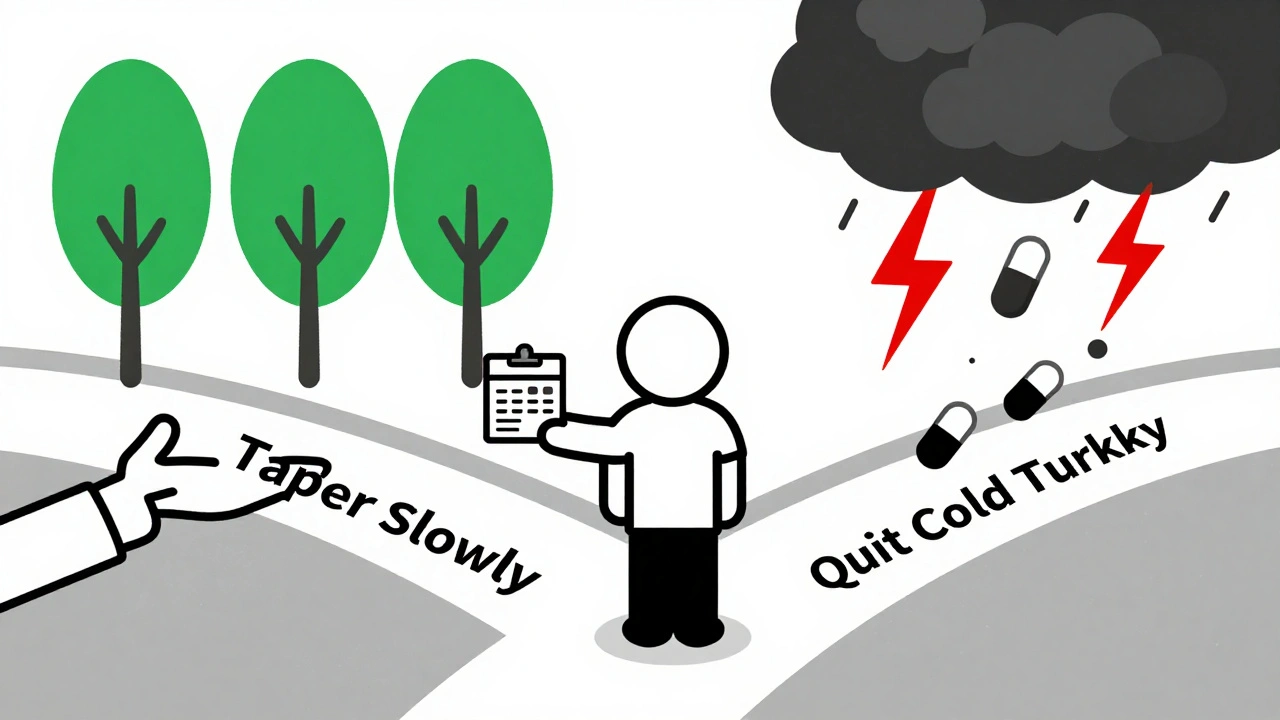
SSRIs like paroxetine and fluvoxamine leave your system fast. If you quit cold turkey, you can get discontinuation syndrome: dizziness, electric-shock sensations in your head, nausea, anxiety, insomnia, even flu-like symptoms. It starts within days and can last weeks.
It’s not addiction. It’s your brain adjusting to the sudden drop in serotonin. The fix? Taper slowly. Reduce by 10-25% every 2-4 weeks. For paroxetine, go even slower. Some people need months to come off safely. Never stop without your doctor’s plan.
Who Tolerates SSRIs Best?
Not all SSRIs are the same. Some are easier to live with.| SSRI | Best For | Worst Side Effects |
|---|---|---|
| Citalopram (Celexa) | General use, low side effect burden | QT prolongation at high doses |
| Fluoxetine (Prozac) | Long-term use, once-weekly dosing possible | Insomnia, weight gain over time |
| Sertraline (Zoloft) | Anxiety, OCD, good balance | Initial nausea, decreased appetite |
| Escitalopram (Lexapro) | Depression, anxiety, clean profile | Dizziness, memory fog, headache |
| Paroxetine (Paxil) | Severe anxiety, panic | Weight gain, sexual dysfunction, withdrawal |
| Fluvoxamine (Luvox) | OCD | Most side effects overall, highest discontinuation rate |
Fluoxetine lasts the longest in your body, so withdrawal is gentler. Citalopram has the lowest side effect load. Paroxetine? It’s effective but the hardest to stop. Your doctor might start you on sertraline or escitalopram first-they’re the go-to for a reason.
What’s New in 2025?
Science is catching up to real-world pain.Genetic testing is now being used to predict who’s likely to get sexual side effects or weight gain. A 2023 study in Nature Medicine found specific gene markers linked to SSRI-induced sexual dysfunction. That means someday, your doctor might test your DNA before prescribing.
New SSRIs are in trials. One, Lu AF35700, showed 37% less sexual dysfunction than standard SSRIs. That’s huge.
Time-release versions are being tested to smooth out serotonin spikes-cutting nausea and headaches by over 30%. And mental health groups are pushing harder for honest conversations. NAMI’s 2023 campaign helped 22% more people report side effects to their doctors.
What Should You Do?
If you’re on an SSRI:- Don’t panic about side effects. Most fade.
- Track them. Write down what you feel, when, and how bad.
- Don’t quit without a plan. Tapering saves you from withdrawal.
- Ask about alternatives: bupropion, therapy, lifestyle changes.
- If you have severe symptoms-rash, confusion, muscle rigidity-get help now.
If you’re thinking about starting one:
- Ask your doctor: “Which SSRI has the least side effects for someone like me?”
- Ask about genetic testing if it’s available.
- Ask: “What happens if I can’t tolerate this?”
- Know that side effects aren’t weakness. They’re biology.
Antidepressants aren’t magic pills. They’re tools. And tools have trade-offs. The goal isn’t to avoid side effects completely-it’s to manage them so they don’t outweigh the benefit. You deserve relief. But you also deserve to feel like yourself.
Do SSRI side effects go away on their own?
Yes, most mild side effects like nausea, headache, and dizziness fade within 2-6 weeks as your body adjusts. But sexual dysfunction and weight gain often persist and may need active management. Don’t assume everything will disappear-track symptoms and talk to your doctor if they don’t improve.
Which SSRI has the least side effects?
Citalopram (Celexa) and escitalopram (Lexapro) generally have the lowest overall side effect burden. Sertraline (Zoloft) is also well-tolerated and widely used. Fluoxetine (Prozac) has fewer immediate side effects but can cause insomnia and delayed weight gain. Paroxetine and fluvoxamine tend to cause more side effects and harder withdrawal.
Can SSRIs cause permanent side effects?
In rare cases, yes. Persistent sexual dysfunction after stopping SSRIs (known as Post-SSRI Sexual Dysfunction or PSSD) has been reported, though its exact prevalence is unclear. Some people also report long-term emotional blunting or weight gain that doesn’t reverse. These aren’t common, but they’re real. Always weigh risks before long-term use.
Why do SSRIs cause weight gain?
SSRIs affect serotonin receptors involved in appetite, metabolism, and fat storage. Over time, they can slow metabolism and increase cravings for carbs. Long-term use also raises insulin resistance risk, which promotes fat storage. Weight gain isn’t just from eating more-it’s a metabolic shift.
How do I know if my side effects are normal or dangerous?
Mild nausea, fatigue, or sleep changes in the first few weeks are normal. But if you develop a rash, confusion, rapid heartbeat, muscle stiffness, fever, or suicidal thoughts, seek help immediately. These could signal serotonin syndrome, hyponatremia, or worsening depression. When in doubt, call your doctor or go to urgent care.
Are there alternatives to SSRIs if side effects are too bad?
Yes. Bupropion (Wellbutrin) doesn’t cause sexual side effects or weight gain and works well for depression. SNRIs like venlafaxine or duloxetine are another option. Therapy (CBT, ACT), exercise, and light therapy can be effective alone or with medication. Never stop an SSRI without a plan-your doctor can help you switch safely.
Final Thought: It’s Not Just About Taking the Pill
Taking an SSRI isn’t just a medical decision-it’s a lifestyle one. Side effects aren’t just side notes. They’re part of the treatment equation. The best outcome isn’t just “no depression.” It’s feeling like yourself again-sleeping well, wanting to be intimate, enjoying food, moving without fatigue.That’s why honest conversations with your doctor matter. Why tracking your symptoms matters. Why knowing your options matters. You’re not just a patient. You’re the expert on your own body. Use that knowledge. Speak up. Adjust. Push back. And never settle for a life where the cure feels worse than the disease.


Written by Felix Greendale
View all posts by: Felix Greendale