
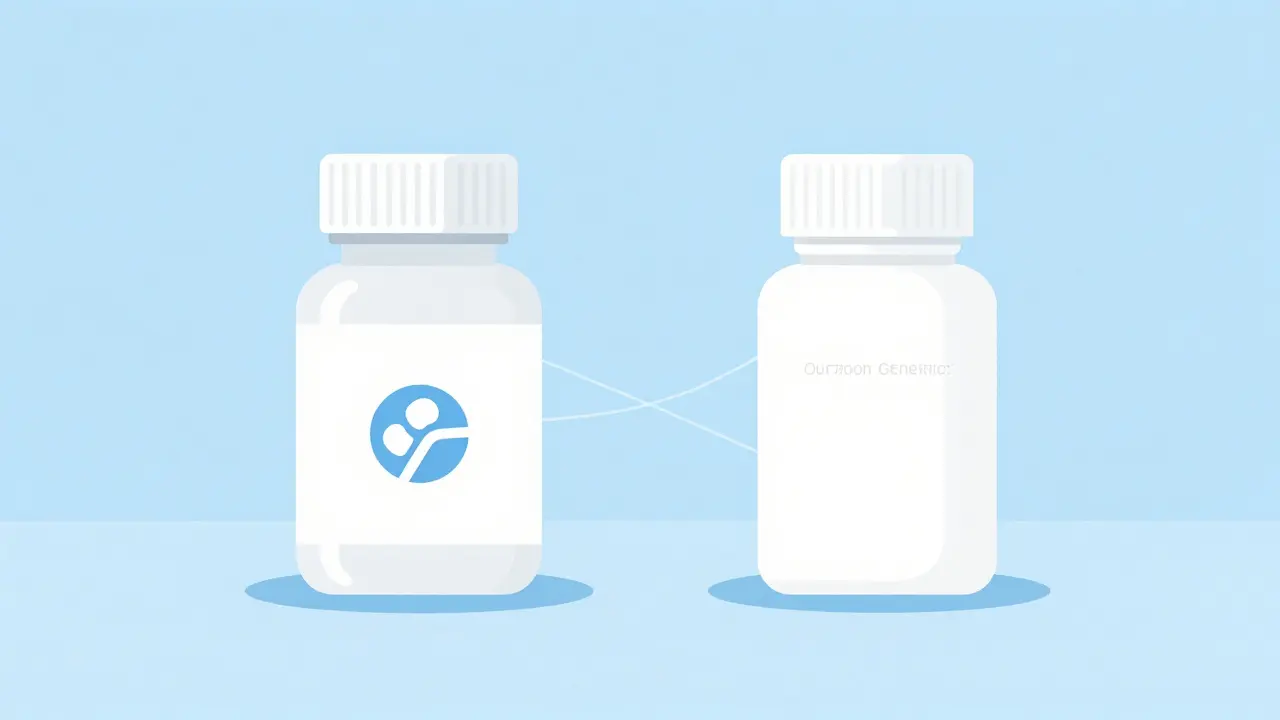
Imagine you’ve been taking the same prescription drug for years. You know exactly how it looks, feels, and works. Then, your insurance tells you that a cheaper version is available. But here’s the twist: there are two kinds of cheap versions. One is a traditional generic made by a different company. The other is an authorized generic, which is a lower-cost version of a brand-name drug produced by the original manufacturer but sold without the brand name on the label. Which one do you pick?
The answer might surprise you. Most patients don’t actually get to choose. In fact, the vast majority of people never even know they are taking an authorized generic because the decision is usually made for them by their insurance plan or pharmacy. But when patients *do* have a say, data suggests they often prefer authorized generics over traditional ones-until price becomes the only thing that matters.
What Exactly Is an Authorized Generic?
To understand why patients react the way they do, we first need to clear up what these drugs actually are. An authorized generic isn’t a "copy" in the traditional sense. It is the exact same product as the brand-name drug, manufactured in the same facility, using the same ingredients, and under the same quality controls. The only difference? The label doesn’t say "Brand X." It says "Generic Y," but it comes from the company that makes Brand X.
This is different from a traditional generic. Traditional generics must go through a separate regulatory process called the Abbreviated New Drug Application (ANDA) to prove they are bioequivalent to the brand. They are made by different companies and may contain different inactive ingredients (like dyes or fillers). Authorized generics bypass this because they operate under the brand’s existing New Drug Application (NDA). As noted by the FDA, they are chemically identical to the brand-name product in both active and inactive ingredients.
Think of it like buying a designer handbag. A traditional generic is a high-quality knockoff made by another factory. An authorized generic is the same bag, made in the same factory, but sold at a discount outlet with a plain tag instead of the logo.
The Patient Experience: Why People Stick With Authorized Generics
If you ask patients directly, many report no noticeable difference between the brand and the authorized generic. This isn’t just anecdotal; the data backs it up. A landmark 2018 study published in the BMJ, sponsored by the FDA, tracked 210,000 patients switching from brand-name drugs to generics. The results showed a significant preference for authorized generics in terms of adherence.
The study found that patients who switched to authorized generics had a "switchback" rate of 22.3%. This means about one in five patients went back to the brand-name drug, likely due to perceived issues with the new pill. However, patients who switched to traditional generics had a higher switchback rate of 28.7%. That 6.4% difference is statistically significant and suggests that patients feel more comfortable with the authorized version, probably because it tastes, smells, and dissolves exactly like the brand they were used to.
Consumer Reports reinforced this in a 2022 survey of 1,200 prescription users. When shown unlabeled samples, 78% of respondents couldn’t tell the difference between the brand and the authorized generic. Compare that to traditional generics, where 48% *could* distinguish them from the brand. For patients with sensitive systems or those who rely on subtle cues to take their medication correctly, this familiarity matters.
The Real Decision-Makers: Insurance and PBMs
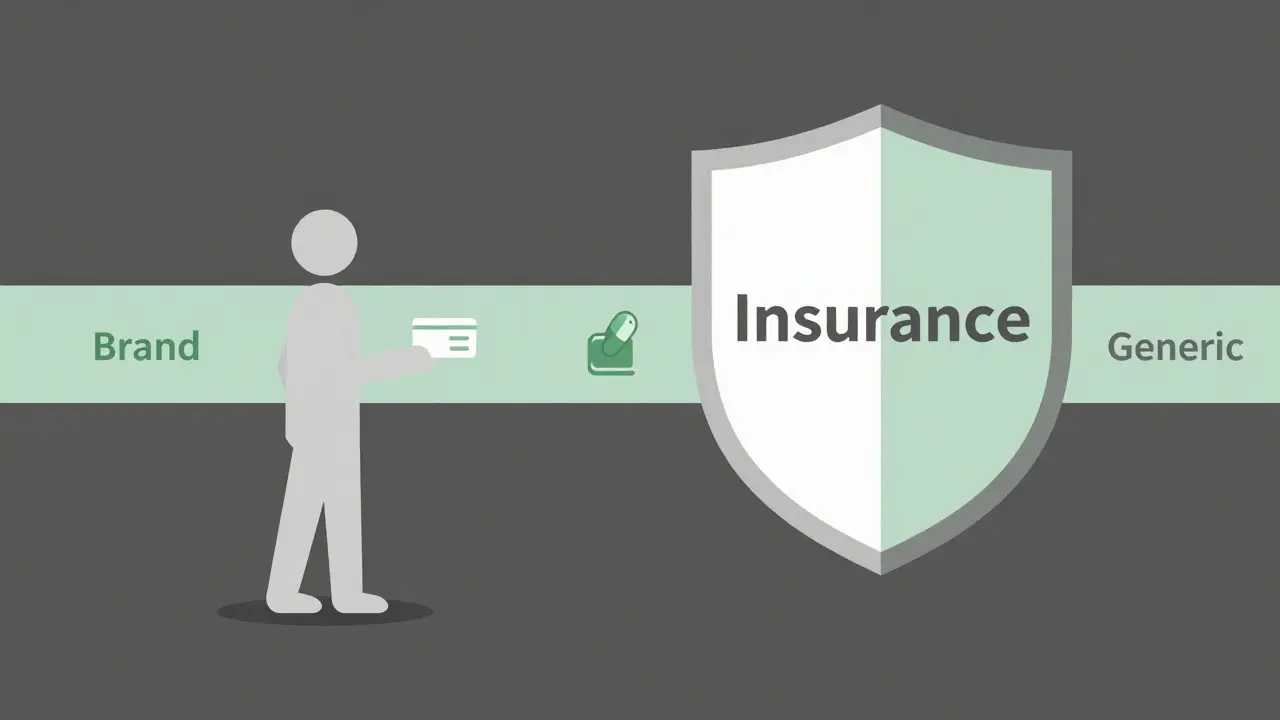
Here is the hard truth: most patients don’t choose. According to a 2022 analysis by the Kaiser Family Foundation (KFF), 82% of commercial insurance plans automatically substitute generics for brand-name drugs when they become available. Only 12% of plans allow patients or doctors to request the brand without prior authorization.
So, who decides if you get an authorized generic or a traditional one? Usually, it’s your Pharmacy Benefit Manager (PBM) and your local pharmacy. These entities look at cost. If the authorized generic is slightly more expensive than the traditional generic but still cheaper than the brand, they might stock it. But often, pharmacies default to the cheapest option available to maximize their margin or meet formulary requirements.
This creates a disconnect. A patient might be happy with the authorized generic because it works well for them, but their pharmacy switches them to a traditional generic next month because it’s $2 cheaper for the insurer. This lack of continuity can lead to confusion and frustration, especially for elderly patients or those managing complex conditions.
Price Wars: How Much Cheaper Are They?
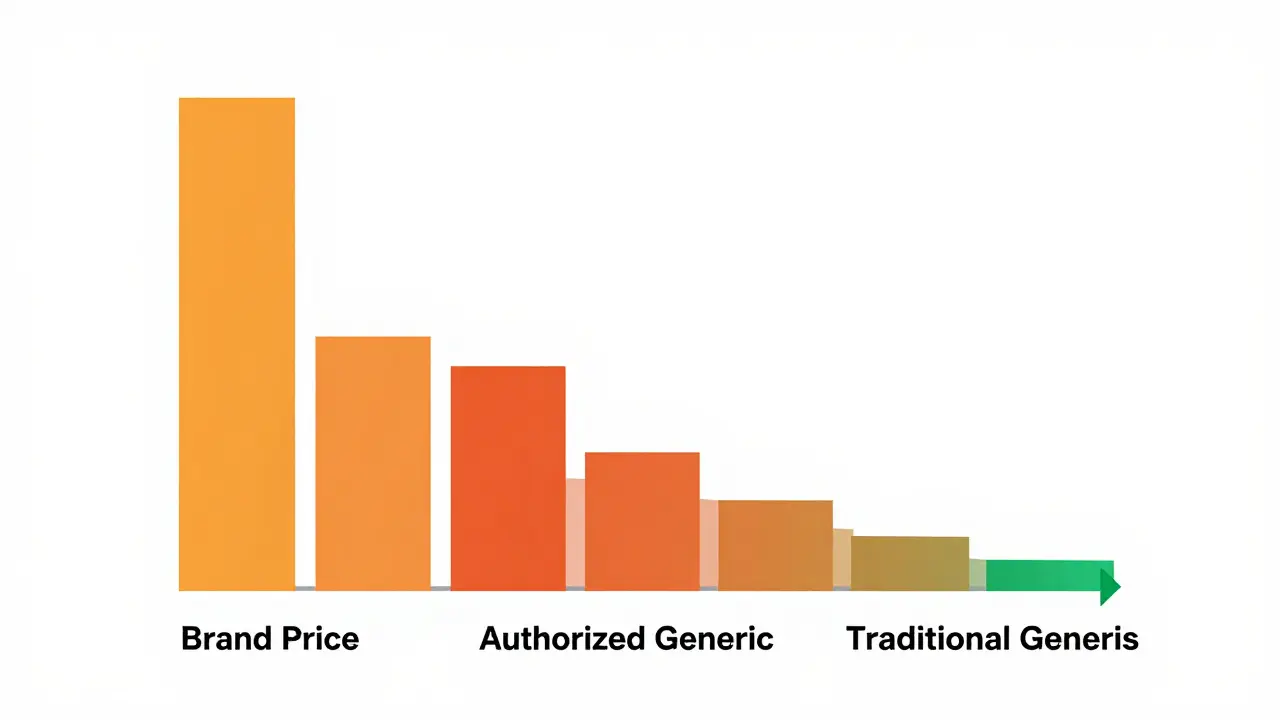
Money talks in the pharmaceutical world. Authorized generics are not the cheapest option forever, but they offer immediate savings compared to brand-name drugs. During the first 180 days after a patent expires-a period known as the exclusivity window-authorized generics can reduce retail prices by 4-8% and wholesale prices by 7-14%, according to the Federal Trade Commission (FTC).
However, traditional generics eventually win on price. Once the 180-day exclusivity period ends, other manufacturers flood the market. At that point, traditional generics typically drop to 15-25% lower prices than authorized generics. AmerisourceBergen’s 2022 market analysis shows that after this initial period, traditional generics capture 65-75% of the market share purely because they are cheaper.
For patients paying out-of-pocket, this timeline is crucial. If you’re looking for short-term savings right after a brand loses its patent, an authorized generic might be your best bet. If you’re planning for long-term treatment, waiting for traditional generics to hit the market will save you more money.
| Feature | Authorized Generic | Traditional Generic |
|---|---|---|
| Manufacturer | Original Brand Company | Third-Party Competitor |
| Ingredients | Identical to Brand (Active & Inactive) | Bioequivalent Active; May Differ in Inactive |
| Regulatory Path | Under Existing NDA | New ANDA Required |
| Patient Switchback Rate | Lower (22.3%) | Higher (28.7%) |
| Long-Term Price | Moderate Discount | Significant Discount (15-25% lower) |
| Market Availability | Immediate upon Patent Expiry | After 180-Day Exclusivity Window |
The Controversy: Are They Good for Competition?
While patients might appreciate the familiarity and moderate savings, authorized generics are controversial among regulators and competitors. Critics argue that brand companies use them strategically to delay true competition. By launching an authorized generic, the brand company can undercut the first traditional generic competitor during the exclusive 180-day window, making it less profitable for the challenger.
In a 2011 report, FTC Chairman Jon Leibowitz stated that the threat of launching an authorized generic could be used as a "powerful inducement" for generic companies to settle lawsuits early and delay bringing their own products to market. This practice, known as "reverse payment," can keep prices artificially high for longer than necessary.
On the flip side, supporters argue that authorized generics provide immediate price relief. Without them, patients would pay full brand prices until the first generic arrives. The presence of an authorized generic forces the brand to lower its own prices slightly to remain competitive, benefiting consumers in the short term. The debate continues, with the Congressional Budget Office warning in 2023 that excessive use of authorized generics could cost Medicare beneficiaries billions if it stifles robust generic competition.
How to Identify an Authorized Generic
If you want to know whether you’re taking an authorized generic, it can be tricky. Pharmacists sometimes struggle with this too because the packaging looks similar to traditional generics. Here is how you can check:
- Check the Manufacturer: Look at the box or bottle. If the manufacturer listed is the same company that makes the brand-name drug, it’s likely an authorized generic.
- FDA Orange Book: The FDA maintains a list of approved drug products. Authorized generics are listed under the brand’s NDA but marked as having "no applicant" for the generic entry, indicating they are tied to the original application.
- Ask Your Pharmacist: Pharmacists have access to detailed supply chain information. They can tell you if the drug came from the brand manufacturer or a third-party generic producer.
It’s worth noting that transparency is improving. The FDA released draft guidance in 2023 aiming to make it easier to identify these products, acknowledging that patients deserve to know what they are taking.
Bottom Line for Patients
Do people choose authorized generics? Not actively, mostly because they aren’t given the choice. But when they are exposed to them, patients tend to stick with them more than traditional generics due to identical formulation and lower rates of adverse reactions or dissatisfaction. They offer a middle ground: cheaper than the brand, but more familiar than a traditional generic.
However, if your primary goal is saving money over the long haul, traditional generics are the winner. They will always be cheaper once the market opens up fully. For now, if your insurance provides an authorized generic, rest assured it is the same medicine you’ve been taking, just with a different label. If you notice any differences in how you feel, talk to your doctor-it might be time to try the traditional generic or stay on the brand if medically necessary.
Are authorized generics safe?
Yes, authorized generics are considered safe because they are manufactured by the same company as the brand-name drug, using the same facilities and processes. They must meet the same strict quality standards set by the FDA as the original brand product.
Can my doctor prescribe an authorized generic specifically?
Doctors can write prescriptions for specific brands, but insurance plans often override this to dispense the cheapest equivalent. To ensure you get an authorized generic, you would need to check with your pharmacist and insurance provider, as availability varies by pharmacy stock and formulary rules.
Why are authorized generics cheaper than brand-name drugs?
They are cheaper because they skip the marketing costs associated with the brand name. The manufacturer sells the drug under a generic label, reducing packaging and promotional expenses, allowing them to offer a lower price while still maintaining some revenue stream after patent expiration.
Is there a difference in effectiveness between authorized and traditional generics?
Both types are required to be bioequivalent to the brand-name drug, meaning they deliver the same amount of active ingredient into the bloodstream. However, because authorized generics use identical inactive ingredients to the brand, some patients report fewer side effects or better tolerance compared to traditional generics, which may use different fillers or dyes.
Will authorized generics always be available?
Not necessarily. Authorized generics are often launched temporarily during the initial 180-day exclusivity period after a patent expires. Once traditional generics enter the market and drive prices down significantly, brand companies may stop producing the authorized generic because it is no longer profitable.
Written by Felix Greendale
View all posts by: Felix Greendale