
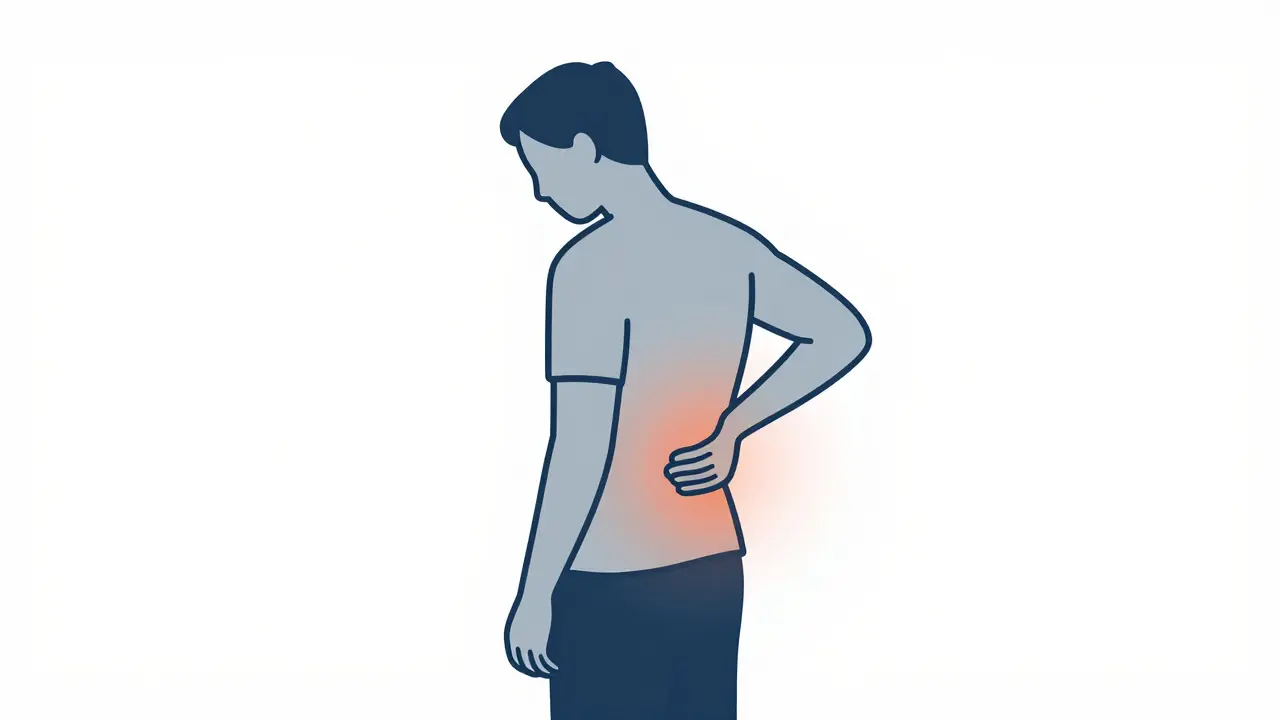
Does your lower back ache every single morning? If you’ve been dealing with discomfort for more than three months, you aren’t just "sore." You’re likely living with chronic back pain, which is defined as persistent pain lasting longer than 12 weeks. It’s a frustrating reality for millions of people. Unlike the sharp sting of an acute injury that warns you to stop moving, chronic pain lingers long after tissues have healed. It doesn’t serve a protective purpose anymore; it just gets in the way of your life. The good news? You don’t have to accept this as your new normal. The old approach of popping pills until the pain disappears is gone. Today, the most effective strategy combines movement, targeted medication, and daily habits. Let’s break down how to manage this condition without relying on risky opioids or invasive surgeries right away.
Why Movement Is Your First Line of Defense
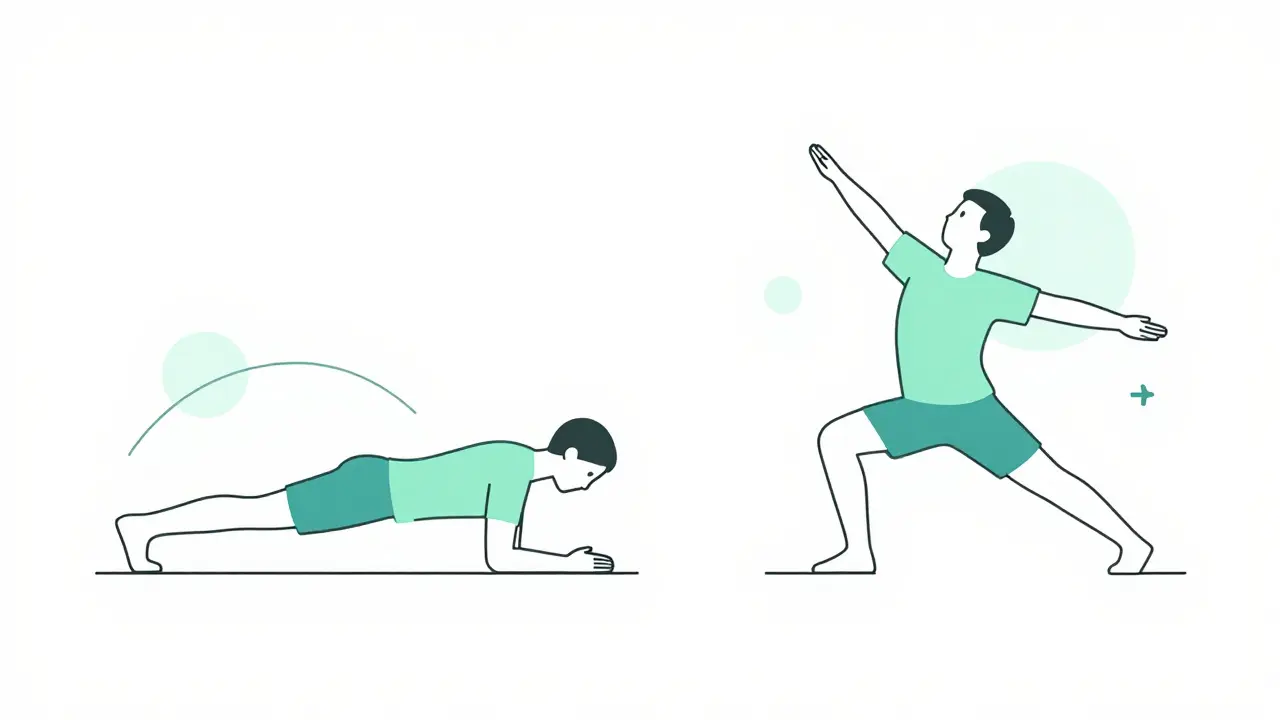
If you ask any top spine specialist today, they’ll tell you the same thing: move more. It feels counterintuitive when moving hurts, but staying still makes chronic back pain worse. Current clinical guidelines from the American College of Physicians strongly recommend non-pharmacological treatments before reaching for prescription drugs. Physical therapy (PT) is not just about getting a massage or heating pad at a clinic. It’s a structured program designed to retrain your body. A typical PT protocol includes five core components:
- Pain tolerance assessment: Your therapist learns your specific limits so they don’t push you into injury.
- Posture retraining: Correcting alignment issues that strain your spine during daily tasks.
- Core strengthening: Targeting deep muscles like the transverse abdominis and multifidus to support your spine naturally.
- Flexibility routines: Stretching to improve spinal mobility, which can increase range of motion by 15-25%.
- Aerobic conditioning: Activities like walking or swimming that boost blood flow to spinal structures by up to 40%.
Data from the Orthopedic Institute of Pennsylvania shows that 78% of patients achieve meaningful improvement through physical therapy, compared to only 52% with medication alone. The key isn’t just showing up for sessions-it’s doing the home exercises. Studies show success rates jump from 45% to 82% when patients stick to their home routine.
Navigating Medication Options Safely
Medication has a role to play, but it’s no longer the first step. The opioid crisis changed everything. With over 107,000 deaths linked to opioids in 2022, doctors are now extremely cautious. Opioids carry risks like Opioid-induced hyperalgesia (a condition where your brain becomes *more* sensitive to pain over time). Instead, experts use a tiered approach:
- First-line: NSAIDs. Drugs like ibuprofen (400mg) or naproxen (500mg) reduce inflammation. They work for about 65% of patients but can cause stomach issues or kidney damage if used long-term. Dr. Robert Shmerling of Harvard Medical School warns that overuse leads to ulcers and bleeding.
- Second-line: Muscle relaxants and neuropathic agents. Cyclobenzaprine helps with spasms. Gabapentin targets nerve pain but often causes brain fog-a common complaint among users who switch to other options due to side effects.
- Third-line: SNRIs. Duloxetine (60mg daily) is increasingly popular. In a massive NIH meta-analysis of over 9,500 participants, duloxetine showed moderate treatment effects in 67% of chronic low back pain patients. It works by changing how your brain processes pain signals, though nausea and dizziness are common side effects.
Remember, medication manages symptoms; it doesn’t fix the underlying mechanical issue. That’s why combining meds with physical therapy yields better results than either alone.
The Power of Self-Management
You are the most important part of your treatment team. Self-management isn’t just "waiting it out." It’s an active, daily commitment. Programs like the UCSF Chronic Pain Toolkit require 20-30 minutes a day. Research shows that patients who adhere to these programs for 8-12 weeks see a 40-50% reduction in pain. What does self-management look like in practice?
- Pacing activities: Breaking tasks into smaller chunks to avoid flare-ups.
- Stress reduction: Since stress tightens muscles, techniques like mindfulness or deep breathing can directly lower pain intensity.
- Sleep hygiene: Poor sleep lowers pain tolerance. Fixing your sleep schedule can make daytime pain feel less severe.
- Ergonomics: Adjusting your workspace to support neutral spine posture.
Adherence is the biggest hurdle. Only 38% of working adults maintain consistent therapy schedules due to time constraints. But those who do report significantly higher quality of life. Community support also helps-platforms like PainConnection.org offer shared experiences and practical tips from others who understand the struggle.
Comparing Treatment Approaches
| Treatment Type | Effectiveness Rate | Key Benefits | Common Risks/Side Effects | Best For |
|---|---|---|---|---|
| Physical Therapy | 78% improvement | Long-term functional gains, no drug interactions | Time commitment, initial soreness | Mechanical back pain, post-injury recovery |
| NSAIDs (Ibuprofen/Naproxen) | 30-40% pain relief | Immediate anti-inflammatory effect | Stomach ulcers, kidney strain, heart risks | Acute flare-ups, inflammatory conditions |
| Duloxetine (SNRI) | 50% pain reduction in 45% of users | Addresses central nervous system pain processing | Nausea (25%), dizziness (15%) | Chronic pain with comorbid depression/anxiety |
| Gabapentin | Variable (often 50% relief) | Effective for nerve-related pain | Brain fog, drowsiness, dependency risk | Radiculopathy, sciatica |
When to Consider Advanced Interventions
If conservative methods fail, what’s next? About 32% of patients seek advanced interventions after six months of inadequate relief. These include:
- Radiofrequency ablation: Uses heat to disable nerves sending pain signals. Provides 3-6 months of relief for 60-70% of patients, but requires repeat procedures.
- Spinal cord stimulators: Implanted devices that mask pain signals. They show 50% pain reduction in 70% of refractory cases at two years.
- Epidural injections: Deliver corticosteroids directly to the spine. Useful for temporary relief to allow participation in physical therapy.
These options are expensive and carry surgical risks. They are generally reserved for cases where structural issues (like herniated discs or spinal stenosis) are clearly identified and haven’t responded to comprehensive conservative care.
Realistic Expectations and Next Steps
Managing chronic back pain is a marathon, not a sprint. Don’t expect a miracle cure. Aim for progress: less pain, more movement, better sleep. The goal isn’t zero pain-it’s full function. Start by consulting a primary care physician or physiatrist to rule out serious underlying conditions. Then, commit to a trial of physical therapy. Pair it with short-term NSAID use if needed for flare-ups. Track your progress. If you’re not seeing improvement after 8-12 weeks, revisit your plan with your doctor. Consider adding a mental health component, as anxiety and depression often amplify pain perception. You have more control than you think. By combining smart movement, careful medication use, and consistent self-care, you can reclaim your life from chronic back pain.
How long does physical therapy take to work for chronic back pain?
Most patients start noticing improvements within 4 to 6 weeks of consistent physical therapy. However, significant functional gains often take 8 to 12 weeks. Success depends heavily on doing prescribed home exercises between sessions.
Are opioids ever recommended for chronic back pain?
Opioids are rarely recommended as a first-line treatment due to high risks of addiction, tolerance, and opioid-induced hyperalgesia. They may be considered only in severe, refractory cases when all other options have failed, and even then, usually at the lowest possible dose for the shortest duration.
Can I manage chronic back pain without medication?
Yes. Many patients successfully manage chronic back pain using a combination of physical therapy, exercise, lifestyle changes, and psychological strategies like cognitive behavioral therapy (CBT). Non-pharmacological approaches are now the gold standard for initial treatment.
What is the best exercise for chronic lower back pain?
There is no single "best" exercise. Effective programs typically include core strengthening (like planks or bird-dogs), flexibility stretches (hamstrings and hip flexors), and low-impact aerobic activity (walking, swimming). A physical therapist can tailor a classification-based approach to your specific pain pattern.
How much does physical therapy cost for back pain?
In the US, the national average for a physical therapy session ranges from $75 to $120. Costs vary by location and provider. Insurance coverage differs widely; Medicare, for example, may limit visits without special authorization. Always check with your insurer beforehand.
Written by Felix Greendale
View all posts by: Felix Greendale