
⚕️ Psychiatric Medication Interaction Checker
Select two medications above to check for interactions
Based on common high-risk combinations found in psychiatric pharmacology.
Imagine taking a new antidepressant on a Tuesday morning, only to feel dangerously unwell by Wednesday. For millions of people managing mental health conditions, this isn't just a hypothetical risk-it's a daily reality when medications don't play well together. Psychiatric medication interactions are the silent culprits behind many adverse events in psychiatric care. According to the American Association of Psychiatric Pharmacists (AAPP), between 30% and 50% of adverse drug events in these settings stem directly from how different drugs affect one another. Understanding these dynamics isn't just for doctors; it’s essential knowledge for anyone navigating complex treatment plans involving multiple agents.
The Core Mechanisms: Why Drugs Clash
To understand why two harmless pills become dangerous together, you have to look at the brain's chemical messengers. Psychiatric drugs primarily target three neurotransmitter systems: serotonin, norepinephrine, and dopamine. When you combine medications that all boost serotonin, for example, you risk flooding the system. This is the mechanism behind Serotonin Syndrome, a potentially life-threatening condition with mortality rates ranging from 2% to 12% in severe cases. It typically occurs when combining Selective Serotonin Reuptake Inhibitors (SSRIs) with Monoamine Oxidase Inhibitors (MAOIs) or certain opioids like tramadol.
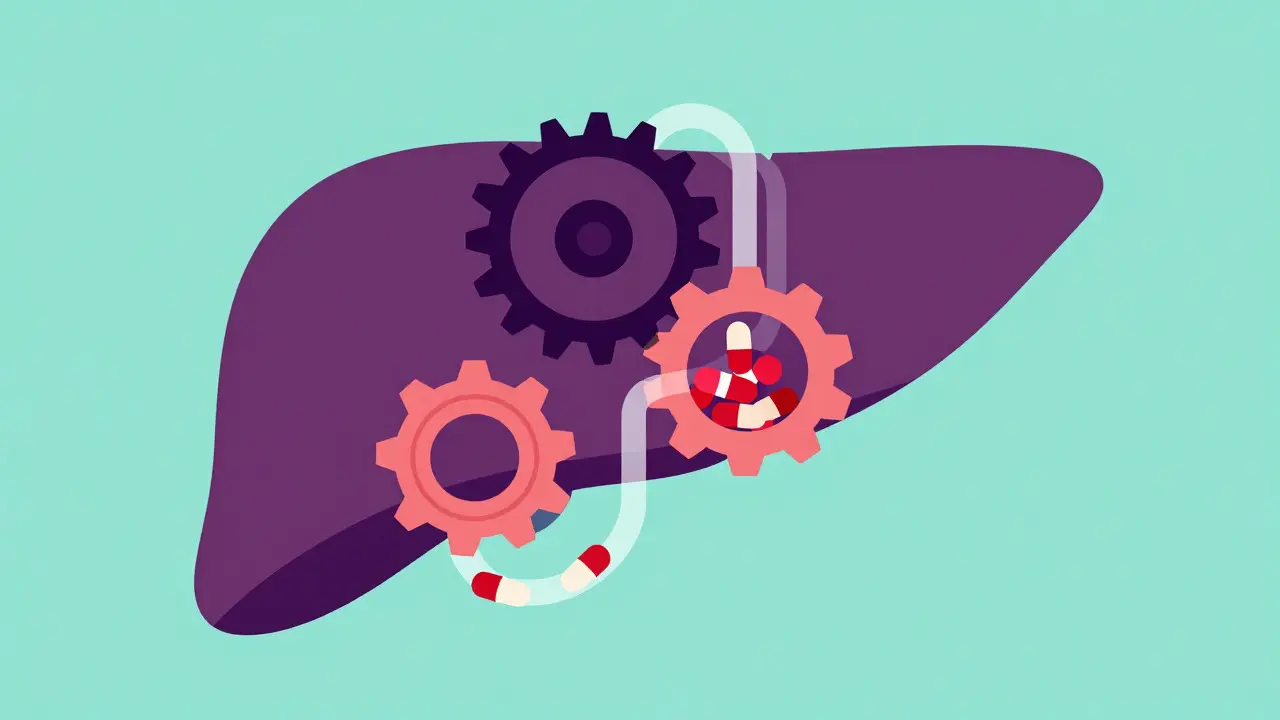
Beyond direct neurotransmitter overlap, liver enzymes play a massive role. The Cytochrome P450 (CYP450) enzyme family is responsible for metabolizing most psychiatric drugs. Some medications act as potent inhibitors of these enzymes. Fluvoxamine, an SSRI, is particularly notorious here. It strongly inhibits CYP1A2, 2C9, 2C19, and 3A4. If you take fluvoxamine alongside a drug that relies on these same pathways for clearance, its levels can skyrocket, leading to toxicity even at standard doses. Conversely, some drugs induce these enzymes, speeding up metabolism and rendering other medications ineffective. This enzymatic tug-of-war is where many subtle but serious interaction risks hide.
High-Risk Class Combinations
Not all combinations carry equal weight. Certain class pairings demand stricter vigilance than others. Here is a breakdown of the most critical interactions to watch out for:
- MAOIs and Serotonergic Agents: MAO inhibitors like phenelzine present the highest interaction risk profile. Combining them with SSRIs, SNRIs, or even certain over-the-counter supplements requires strict washout periods (usually 14 days) to prevent serotonin syndrome. Dietary restrictions regarding tyramine-rich foods also apply to avoid hypertensive crises.
- TCAs and Anticholinergics: Tricyclic Antidepressants (TCAs) already carry significant anticholinergic side effects. Adding other drugs with similar properties, such as first-generation antihistamines or certain antipsychotics, exacerbates dry mouth, constipation, urinary retention, and cognitive blunting. Cardiovascular risks also increase due to additive effects on heart rhythm.
- Lithium and NSAIDs: Lithium has a narrow therapeutic index, meaning the difference between a helpful dose and a toxic one is small. Non-steroidal anti-inflammatory drugs (NSAIDs) like ibuprofen or naproxen can reduce kidney clearance of lithium, increasing blood levels by 25% to 50%. This can push patients into the toxic range, causing tremors, confusion, and kidney damage.
- Clozapine and Enzyme Inducers: Clozapine is a powerful antipsychotic used for treatment-resistant schizophrenia. However, it requires careful monitoring for agranulocytosis. Combining it with enzyme inducers can lower clozapine levels, risking relapse, while inhibitors can spike levels, increasing sedation and seizure risk.
| Combination | Primary Risk | Mechanism | Monitoring Requirement |
|---|---|---|---|
| SSRI + MAOI | Serotonin Syndrome | Additive serotonin reuptake inhibition | 14-day washout period; observe for agitation, fever, muscle rigidity |
| Lithium + NSAID | Lithium Toxicity | Reduced renal clearance of lithium | Weekly lithium levels during initiation; adjust dose if levels >1.2 mmol/L |
| TCA + Antihistamine | Excessive Sedation/Anticholinergic Load | Additive receptor blockade | Assess for cognitive impairment, fall risk, and cardiac conduction delays |
| Fluvoxamine + Other CYP Substrates | Increased Concentration of Co-administered Drug | Inhibition of CYP1A2, 2C19, 3A4 | Dose reduction of co-administered agent; monitor for side effects |
The Danger Zone: New Combinations and First-Dose Monitoring
While chronic polypharmacy can be managed, the highest risk period is actually the beginning. When a new interacting medication is added to an existing regimen, the body hasn't adjusted yet. Experts recommend observing patients for at least 2 to 4 hours after the initial administration of a new interacting drug. This "first-dose monitoring" window catches acute reactions like orthostatic hypotension or excessive sedation before they escalate. For the first 7 to 10 days of combination therapy, structured follow-up protocols are crucial to track delayed-onset side effects.
Patients often underestimate the impact of non-prescription substances. Alcohol, for instance, doesn't just dull the senses; it can synergistically enhance the sedative effects of TCAs and benzodiazepines, leading to profound CNS depression. Even herbal supplements like St. John's Wort can induce CYP enzymes, potentially lowering the efficacy of concurrent antidepressants or antipsychotics. Always disclose every substance you consume to your prescriber, including vitamins and OTC painkillers.
Practical Strategies for Safe Management
You don't need to guess which combinations are safe. A structured approach makes a huge difference. First, prioritize medications with lower interaction potential when possible. Sertraline and citalopram, for example, generally have fewer CYP450 interactions compared to fluvoxamine or paroxetine, making them safer choices in complex regimens. Second, leverage technology. Digital therapeutic monitoring tools now alert prescribers to real-time interaction risks, reducing serious events by up to 37% when paired with clinician training.
For those already on multiple medications, regular check-ins are non-negotiable. Use standardized assessment tools like the PHQ-9 for depression and GAD-7 for anxiety to track symptom changes. If you're on long-term antipsychotic therapy, quarterly assessments using the Abnormal Involuntary Movement Scale (AIMS) help detect early signs of extrapyramidal symptoms. Keep a personal medication log. Note down any new symptoms, no matter how minor, and bring it to your next appointment. Your pharmacist is also a vital resource; they specialize in spotting these pharmacological clashes before they cause harm.
Frequently Asked Questions
How long should I wait before switching from an MAOI to an SSRI?
Generally, a washout period of at least 14 days is recommended after stopping an MAOI before starting an SSRI. This allows the MAOI to clear from your system and reduces the risk of serotonin syndrome. Always confirm the specific timeline with your psychiatrist, as it may vary based on the half-life of the specific MAOI used.
Can I take ibuprofen if I am on lithium?
Use caution. NSAIDs like ibuprofen can increase lithium levels by 25-50%, raising the risk of toxicity. If you must use an NSAID for a short period, your doctor may recommend temporary lithium dose adjustment and more frequent blood level monitoring. Acetaminophen (paracetamol) is often a safer alternative for pain relief in patients on lithium.
What are the early signs of serotonin syndrome?
Early signs include agitation, restlessness, rapid heart rate, high blood pressure, dilated pupils, loss of muscle coordination, twitching muscles, muscle rigidity, and heavy sweating. In severe cases, it can progress to high fever, seizures, and unconsciousness. Seek medical attention immediately if you notice these symptoms after starting a new serotonergic medication.
Why is fluvoxamine considered a high-interaction risk drug?
Fluvoxamine is a potent inhibitor of several key liver enzymes, specifically CYP1A2, CYP2C19, and CYP3A4. Because many other psychiatric and non-psychiatric drugs rely on these enzymes for breakdown, fluvoxamine can significantly raise their blood levels, leading to increased side effects or toxicity without changing the dose of the other medication.
Do herbal supplements interact with psychiatric meds?
Yes, absolutely. Supplements like St. John's Wort can induce liver enzymes, potentially lowering the effectiveness of antidepressants and antipsychotics. Others, like 5-HTP, add to serotonin load, increasing the risk of serotonin syndrome. Always inform your healthcare provider about all supplements you are taking, as they are not regulated as strictly as prescription drugs.


Written by Felix Greendale
View all posts by: Felix Greendale