
Theophylline Interaction Risk Calculator
Check Your Medication Profile
Select any medications or conditions you currently have to estimate your risk of reduced theophylline clearance.
Risk Assessment
Select options and click "Assess My Risk" to see how your profile affects Theophylline metabolism.
Imagine taking a medication that works perfectly for your breathing until you start a new pill for gout or acid reflux. Suddenly, nausea hits. Your heart races. You feel jittery and sick. This isn't just bad luck; it is likely a dangerous drop in Theophylline Clearance, caused by drug interactions that slow down how your body breaks down this common respiratory medicine. Theophylline is an older drug used for asthma and COPD, but it has a narrow safety margin. If your liver slows down processing it, levels in your blood can spike to toxic ranges quickly.
This article explains exactly which medications reduce theophylline metabolism, why this happens at a chemical level, and what you should do if you are prescribed both. We will look at the specific drugs involved, the signs of toxicity, and practical steps to stay safe.
How Theophylline Works and Why Clearance Matters
To understand the risk, we first need to look at how Theophylline is a methylxanthine derivative used primarily for respiratory diseases like asthma and COPD. It was first synthesized in 1888 and has been a staple in respiratory care for decades. While newer inhalers have taken over much of the market, theophylline remains relevant, especially for patients with severe, refractory cases or those in resource-limited settings.
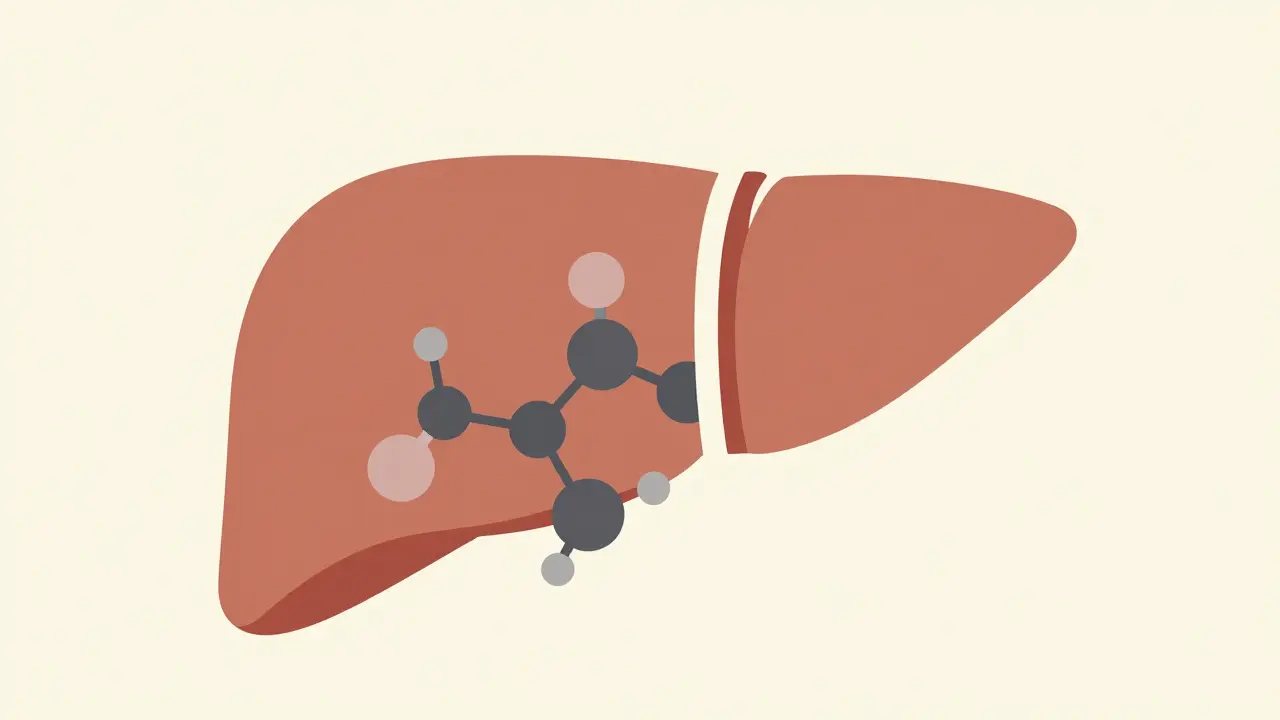
The problem lies in its pharmacokinetics. About 90% of theophylline is metabolized by your liver. Specifically, it relies on an enzyme system called Cytochrome P450 1A2 (often abbreviated as CYP1A2), which is a liver enzyme responsible for breaking down many drugs, including theophylline. In a healthy adult, the normal clearance rate is about 3 liters per hour. This means your liver processes a specific volume of blood containing the drug every hour. If anything blocks this enzyme, the drug stays in your system longer. Because theophylline follows non-linear kinetics, small changes in metabolism can lead to huge jumps in blood concentration. A dose that was safe yesterday might be toxic today if you start a new interacting medication.
Top Medications That Reduce Theophylline Clearance
Not all drugs interact equally. Some have a mild effect, while others can nearly double the amount of theophylline in your bloodstream. Here are the most significant offenders based on clinical data:
- Fluvoxamine: This selective serotonin reuptake inhibitor (SSRI) is one of the strongest inhibitors of CYP1A2. Studies show it can decrease theophylline clearance by 40-50%. The European Respiratory Society specifically recommends avoiding this combination due to the high risk of toxicity.
- Cimetidine: Often used for acid reflux, cimetidine reduces theophylline clearance by 25-30%. It is a potent blocker of the CYP1A2 pathway. Many clinicians now prefer other antacids like famotidine to avoid this interaction.
- Allopurinol: Used for gout, high-dose allopurinol (600 mg daily) can reduce clearance by approximately 20%. Interestingly, lower doses (300 mg) may not have a significant effect, making dosage a key factor here.
- Erythromycin and Clarithromycin: These macrolide antibiotics inhibit CYP3A4, another liver enzyme. While theophylline is mainly processed by CYP1A2, these antibiotics still reduce clearance by 15-25%, posing a real risk during short-term antibiotic courses.
| Medication | Drug Class | Reduction in Clearance | Clinical Action Required |
|---|---|---|---|
| Fluvoxamine | SSRI Antidepressant | 40-50% | Avoid combination or drastically reduce theophylline dose |
| Cimetidine | H2 Blocker (Acid Reflux) | 25-30% | Reduce theophylline dose by ~25%; monitor levels closely |
| Allopurinol (High Dose) | Xanthine Oxidase Inhibitor (Gout) | ~20% | Reduce theophylline dose by 20%; check serum levels |
| Erythromycin/Clarithromycin | Macrolide Antibiotic | 15-25% | Monitor for symptoms; temporary dose adjustment may be needed |

Signs of Theophylline Toxicity: What to Watch For
When clearance drops, theophylline builds up. The therapeutic range is very narrow-between 10 and 20 mcg/mL. Levels above 20 mcg/mL increase the risk of side effects, and levels above 30 mcg/mL can be life-threatening. According to the FDA, drug interactions account for about 35% of emergency department visits related to theophylline.
You need to know the early warning signs. They often mimic flu-like symptoms or anxiety, which can be confusing:
- Gastrointestinal issues: Nausea, vomiting, and abdominal pain are usually the first signs.
- Neurological symptoms: Headaches, insomnia, restlessness, and tremors. Seizures can occur at high levels.
- Cardiac problems: Rapid heartbeat (tachycardia), palpitations, and irregular rhythms (arrhythmias).
If you start feeling unwell after adding a new medication, do not ignore it. Assume it could be theophylline toxicity until proven otherwise. Seek medical attention immediately, especially if you experience chest pain or seizures.
Other Factors That Slow Down Metabolism
It is not just about pills. Several lifestyle and health factors also impact how fast your liver clears theophylline. Understanding these helps paint a complete picture of your risk.
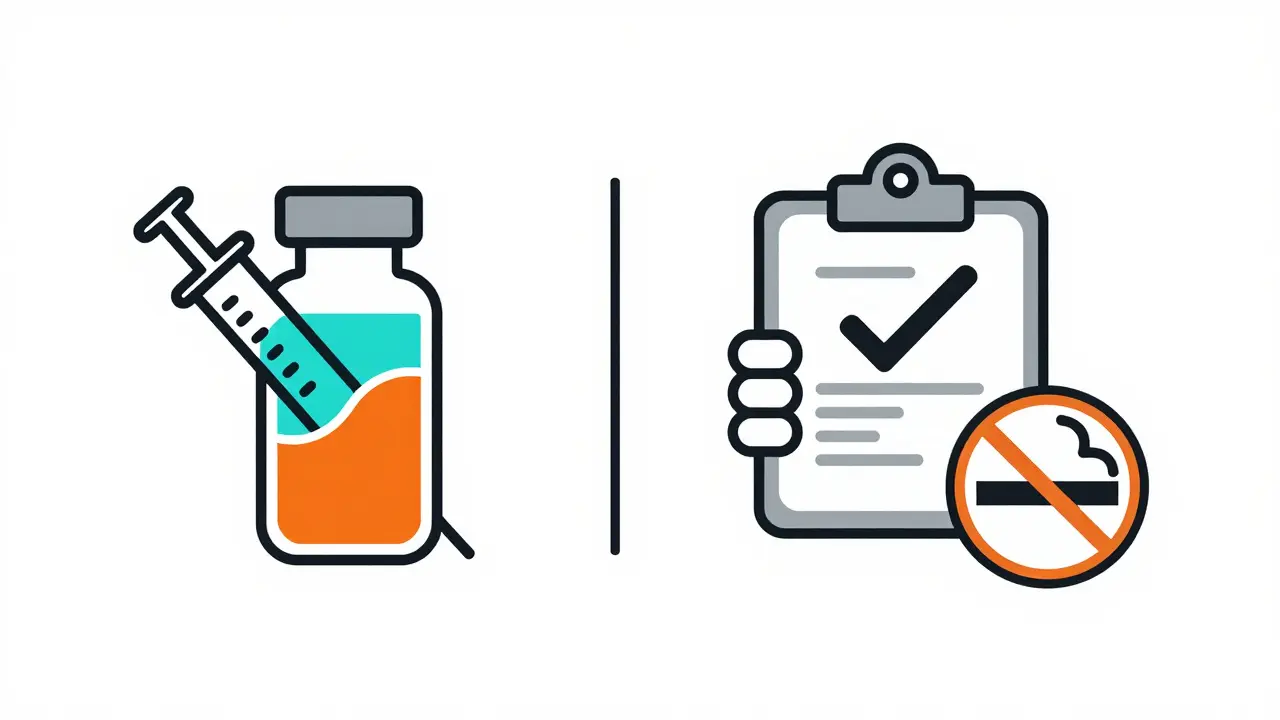
Smoking Status: Smoking actually speeds up the breakdown of theophylline. Smokers often need higher doses. However, if you quit smoking, your clearance rate can drop by 30-50% within two weeks. This reversal creates a "double interaction" risk if you are also taking an inhibiting drug. Always tell your doctor if you stop smoking.
Heart Failure: Patients with congestive heart failure have reduced blood flow to the liver. This alone can lower clearance rates significantly. An elderly patient with heart failure might have a clearance rate as low as 0.35 mL/kg/h, compared to 1.2 mL/kg/h in a healthy smoker.
Viral Illnesses: Flu and other viral infections can temporarily inhibit liver enzymes. During a bout of the flu, your body may process theophylline more slowly, raising levels even without new medications.
Managing the Risk: Practical Steps for Patients and Clinicians
Safety comes from proactive management. You cannot rely on memory alone when dealing with narrow-therapeutic-index drugs like theophylline.
- Therapeutic Drug Monitoring (TDM): This is non-negotiable. Blood tests should measure your theophylline levels. The American Association for Clinical Chemistry recommends checking levels within 48 hours of starting or stopping any interacting medication. Do not wait for symptoms to appear.
- Dose Adjustments: When initiating a strong inhibitor like fluvoxamine, clinicians typically reduce the theophylline dose by 25-50%. Never adjust your dose on your own; work with your prescriber.
- Review All Medications: Bring a complete list of all prescriptions, over-the-counter drugs, and supplements to every appointment. Include herbal remedies, as some can affect liver enzymes.
- Consider Alternatives: If you require long-term therapy with a strong inhibitor (like cimetidine for chronic reflux), ask your doctor if there is a safer alternative. For example, switching from cimetidine to famotidine eliminates the interaction risk entirely.
Recent data shows that nearly 30% of theophylline prescriptions in patients over 65 involve at least one interacting drug. Yet, only about 37% of these cases receive appropriate dose adjustments. This gap highlights the importance of patient advocacy. Ask your pharmacist: "Does this new medication interact with my theophylline?"
The Future of Theophylline Use
The use of theophylline has declined by 62% in the United States since 2000, largely due to the availability of safer bronchodilators. However, it still accounts for about 3.2% of global COPD maintenance therapy. Its role is shifting toward very low-dose applications (100-200 mg daily) for anti-inflammatory effects, rather than just bronchodilation.
Despite this decline, the risk remains real. With fewer clinicians regularly prescribing theophylline, awareness of its complex interactions may be waning. This makes education more critical than ever. The 2023 American Thoracic Society research agenda identified optimizing theophylline use in polypharmacy contexts as a priority, emphasizing the need for better electronic decision support tools in medical records.
For now, if you are on theophylline, treat it with respect. Know your interacting drugs, monitor your levels, and communicate openly with your healthcare team. Small precautions prevent big emergencies.
Which drug has the strongest interaction with theophylline?
Fluvoxamine is considered one of the strongest inhibitors, reducing theophylline clearance by 40-50%. Cimetidine and high-dose allopurinol are also significant, causing reductions of 25-30% and 20% respectively.
Can quitting smoking cause theophylline toxicity?
Yes. Smoking induces liver enzymes that break down theophylline faster. When you quit, this induction reverses, and clearance can drop by 30-50% within two weeks. If your dose isn't lowered, blood levels can rise to toxic ranges.
What are the first signs of theophylline toxicity?
Early signs include nausea, vomiting, headache, and insomnia. As levels rise, you may experience rapid heartbeat, tremors, and agitation. Severe toxicity can lead to seizures and cardiac arrhythmias.
How soon after starting a new medication should I check my theophylline levels?
You should check serum theophylline levels within 48 to 72 hours of starting or stopping any medication known to interact with it. This allows enough time for steady-state concentrations to change but catches potential toxicity early.
Is there a safe alternative to cimetidine for someone on theophylline?
Yes. Famotidine and ranitidine are H2 blockers that do not significantly inhibit CYP1A2. They are generally considered safer alternatives for patients taking theophylline who need treatment for acid reflux.
Why does theophylline have such a narrow therapeutic window?
Theophylline has non-linear pharmacokinetics. At therapeutic concentrations, its metabolic pathways can become saturated. This means small increases in dose or decreases in clearance can lead to disproportionately large increases in blood levels, quickly crossing from therapeutic to toxic.
Do antibiotics always interact with theophylline?
Not all antibiotics. Macrolides like erythromycin and clarithromycin do interact significantly. However, azithromycin, another macrolide, has minimal effect on CYP enzymes and is generally safer to use with theophylline. Penicillins and cephalosporins typically do not interact.
Written by Felix Greendale
View all posts by: Felix Greendale