
Medication Safety: What You Need to Know Right Now
When it comes to medicines, safety isn’t something to guess at. Whether you pick up a pill at the pharmacy or order it online, a few simple steps can keep you out of trouble. In this guide we’ll break down the most common risks and show you how to protect yourself without the jargon.
How to Choose a Safe Online Pharmacy
Buying meds online feels convenient, but not every site is trustworthy. First, look for a pharmacy that requires a valid prescription. If a site sells prescription drugs without asking for a doctor’s order, walk away. Legit pharmacies also display a physical address and a licensed pharmacist’s contact info.
Check for certifications like the Verified Internet Pharmacy Practice Sites (VIPPS) seal or local health authority approval. Those marks mean the pharmacy meets safety standards for storage, labeling, and privacy. A quick Google search of the site’s name plus “scam” can reveal red flags before you click ‘add to cart’.
Price can be tempting, but extremely low costs often hide counterfeit products. Compare the price with a reputable local pharmacy; if the difference is huge, it’s a warning sign. When in doubt, call the pharmacy’s customer service line and ask how they verify prescriptions.
Understanding Side Effects and Drug Interactions
Even approved medicines can cause unwanted reactions. The first thing to do is read the label or patient information leaflet. Look for the most common side effects—usually listed in the first paragraph. If you notice anything that seems severe, like swelling, trouble breathing, or a rash, stop the drug and contact your doctor.
Interactions happen when two or more drugs affect each other’s performance. Over‑the‑counter pain relievers, herbal supplements, and even certain foods can change how a prescription works. A quick check on a trusted site or a conversation with your pharmacist can clear up most doubts.
Keep a running list of everything you take, including vitamins and herbal teas. Share that list with every healthcare provider you see. This simple habit prevents accidental mixing of medicines that could lead to dangerous spikes or drops in blood pressure, blood sugar, or heart rhythm.
When you start a new medication, set a reminder to monitor how you feel for the first week. Common issues like mild stomach upset or drowsiness often settle down, but persistent problems mean it’s time to call the prescriber.
Finally, don’t ignore the expiration date. Using expired meds can reduce effectiveness or cause harmful breakdown products. Store medicines in a cool, dry place, away from direct sunlight, and keep them out of reach of children.
By following these straightforward checks—verifying online pharmacies, reading side‑effect warnings, and tracking all your meds—you can protect yourself and stay in control of your health. Medication safety is all about being informed, staying cautious, and asking questions when something doesn’t feel right.
Post-Marketing Pharmacovigilance: How New Medication Side Effects Are Found
Post-marketing pharmacovigilance tracks hidden side effects of drugs after they're approved. Learn how systems like MedWatch, EudraVigilance, and AI-powered EHRs catch dangers clinical trials miss - and how you can help.
Read More
How to Check for Pharmacy-Level Recall Notifications: A Step-by-Step Guide for 2026
Learn how to check for pharmacy-level drug recall notifications using FDA alerts, wholesaler systems, and automated pharmacy software. Know the steps to verify, act, and document recalls to keep patients safe in 2026.
Read More
How to Use QR Codes and Digital Prescription Label Tools for Safer Medication Management
QR codes on prescription labels help patients access clear, up-to-date medication info via smartphone. They reduce errors, improve adherence, and comply with global health standards. Learn how to use them safely and effectively.
Read More
Beers Criteria: Potentially Inappropriate Drugs in Older Adults
The Beers Criteria identify medications that may be harmful to older adults. Learn how these evidence-based guidelines help reduce adverse drug events, improve safety, and support smarter prescribing for people over 65.
Read More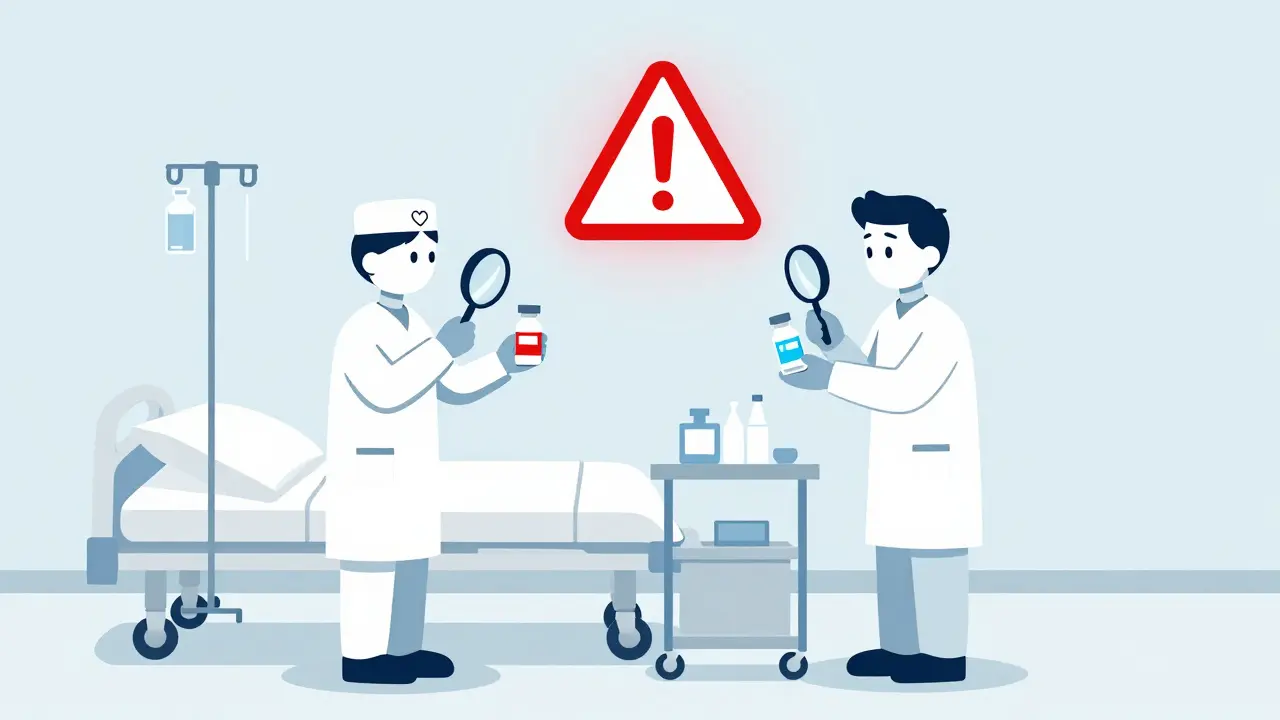
High-Risk Medications Requiring Extra Verification Procedures to Prevent Deadly Errors
High-risk medications like IV insulin, heparin, and chemotherapy require strict double verification to prevent deadly errors. Learn which drugs need extra checks, how the process works, and why skipping it can be fatal.
Read More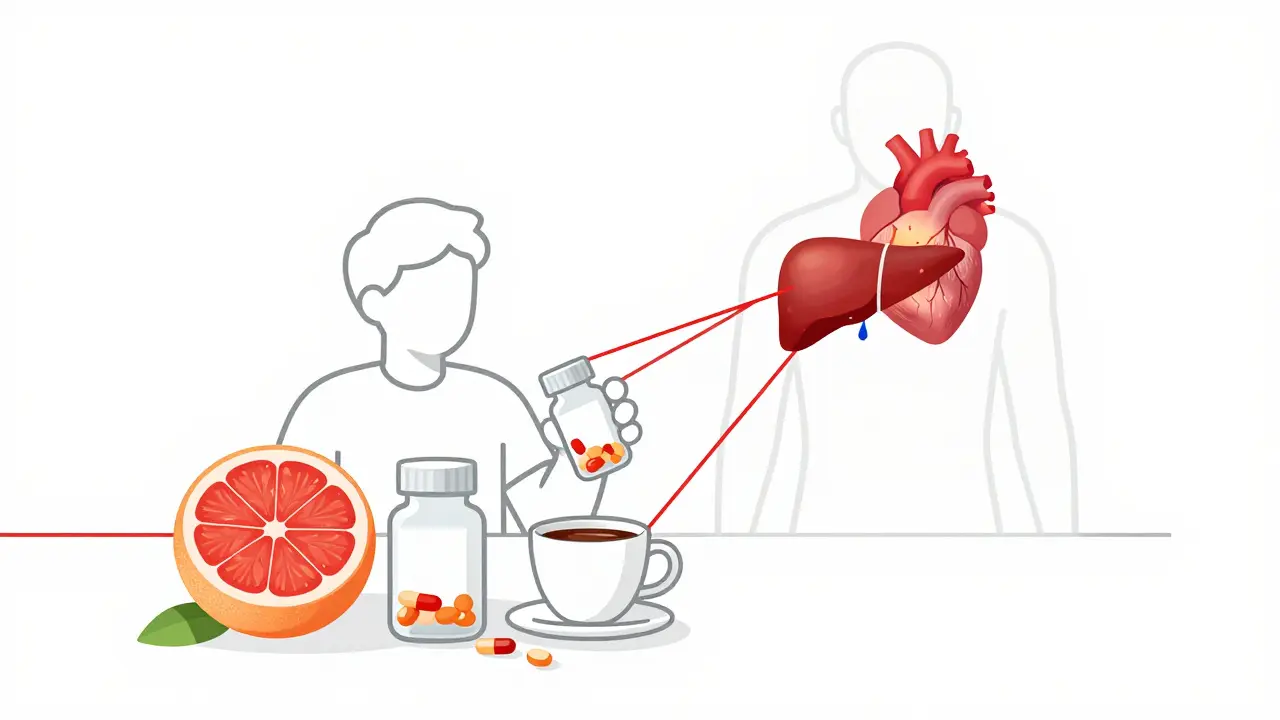
What Are Drug Interactions and Why They Matter for Medication Safety
Drug interactions can make medications dangerous or ineffective, leading to hospitalizations and even death. Learn what causes them, which drugs are most risky, and how to protect yourself from preventable harm.
Read More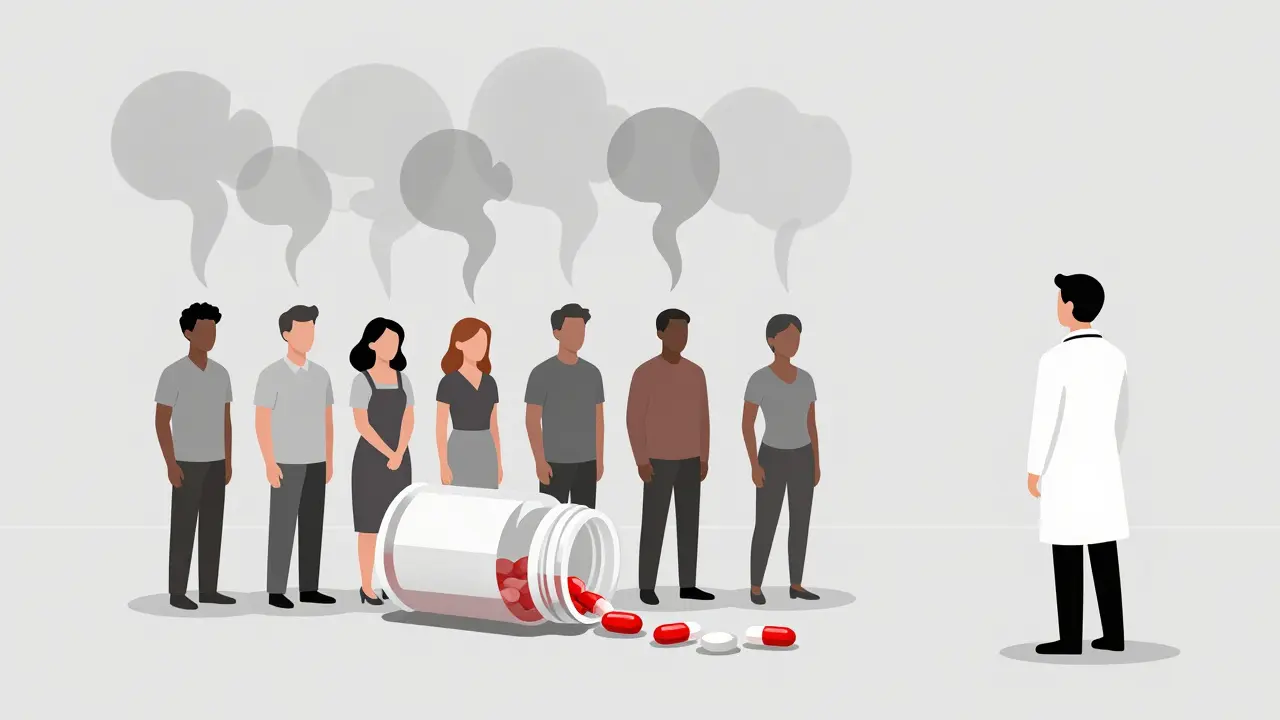
Addressing Health Disparities in Medication Safety Research
Medication safety isn't equal. People of color, low-income patients, and non-English speakers face higher risks of harmful errors-and are less likely to have their concerns taken seriously. This is a preventable crisis.
Read More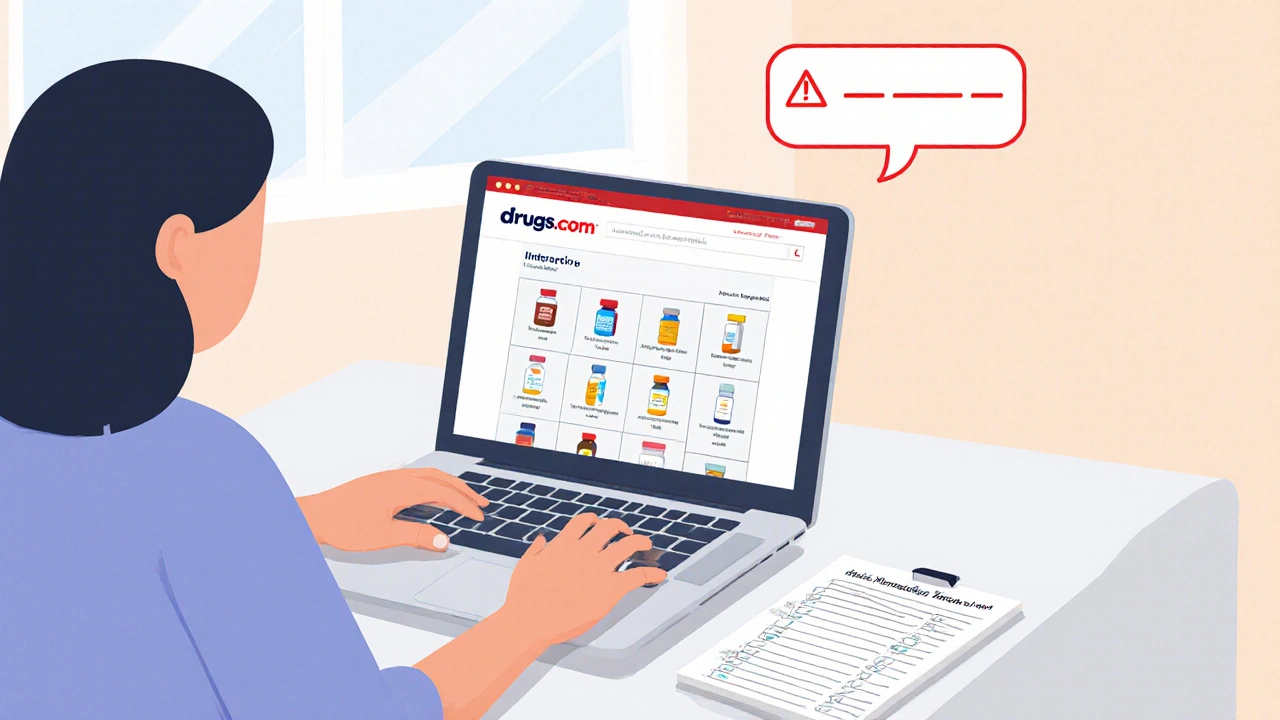
How to Check for Drug Interactions at Home Safely
Learn how to safely check for drug interactions at home using trusted tools, avoid common mistakes, and when to call your pharmacist. Prevent ER visits by understanding your meds.
Read More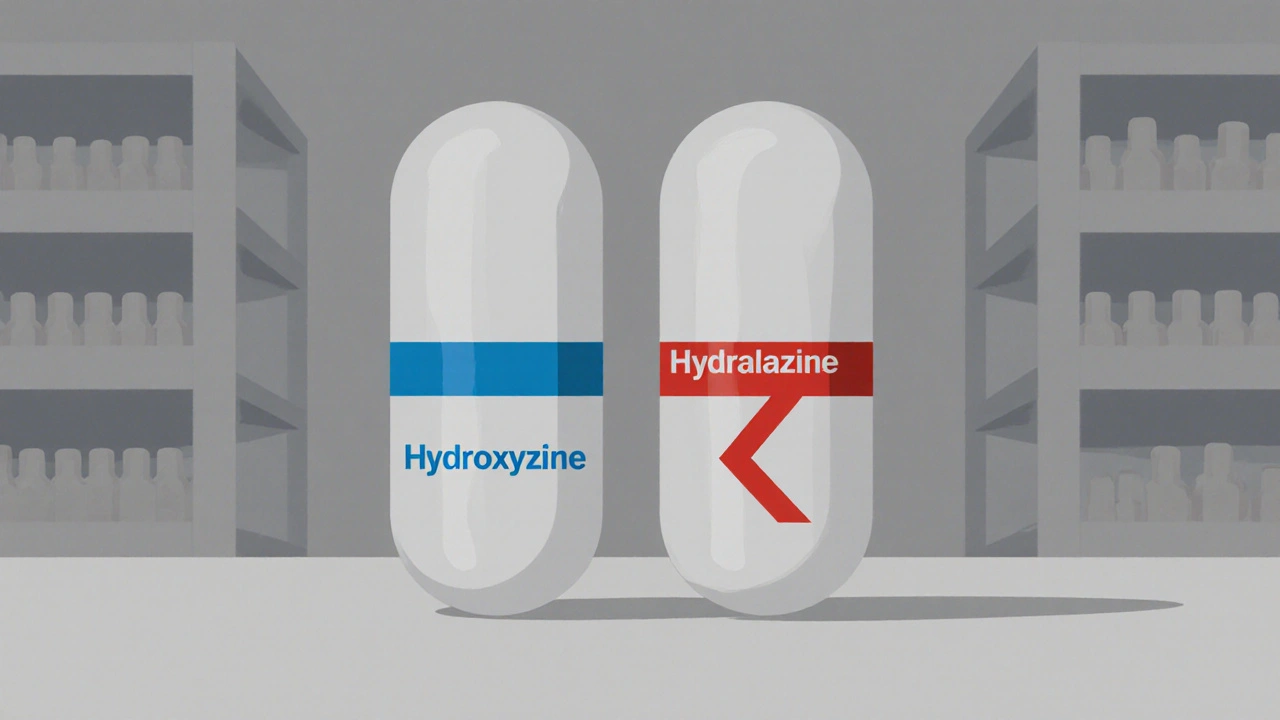
Medication Errors with Generics: Look-Alike, Sound-Alike Risks and How to Stop Them
Look-alike, sound-alike generic drugs cause thousands of preventable medication errors each year. Learn how naming and packaging confusion leads to dangerous mix-ups-and what patients and systems can do to stop them.
Read More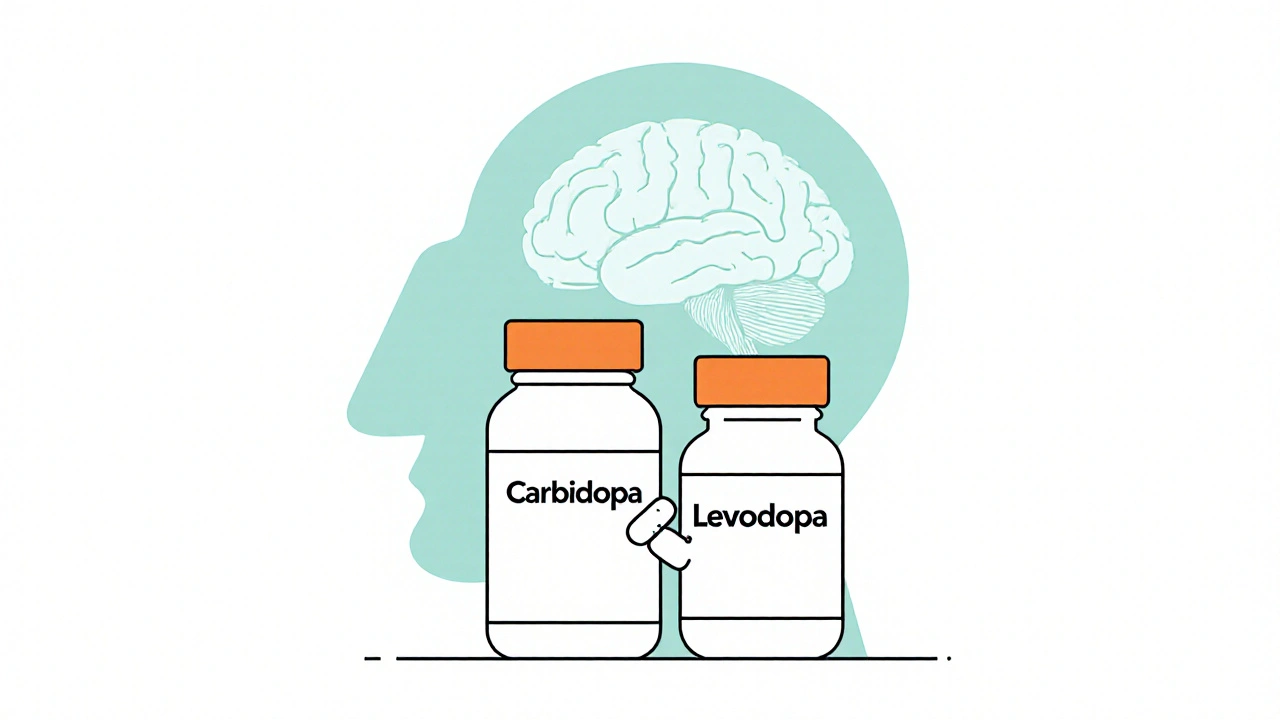
Carbidopa-Levodopa Drug Interactions: Essential Guide for Patients and Caregivers
Learn which medicines, supplements, and foods affect Carbidopa-Levodopa, how to recognize interaction signs, and practical steps to keep your Parkinson's treatment safe.
Read More
How to Buy Sulfasalazine Online Safely: A Complete 2025 Guide
Curious about buying sulfasalazine online? This guide covers safe purchase steps, top pharmacy sites, prescription tips, costs, risks and what to expect in 2025.
Read More