
Author: Felix Greendale - Page 4
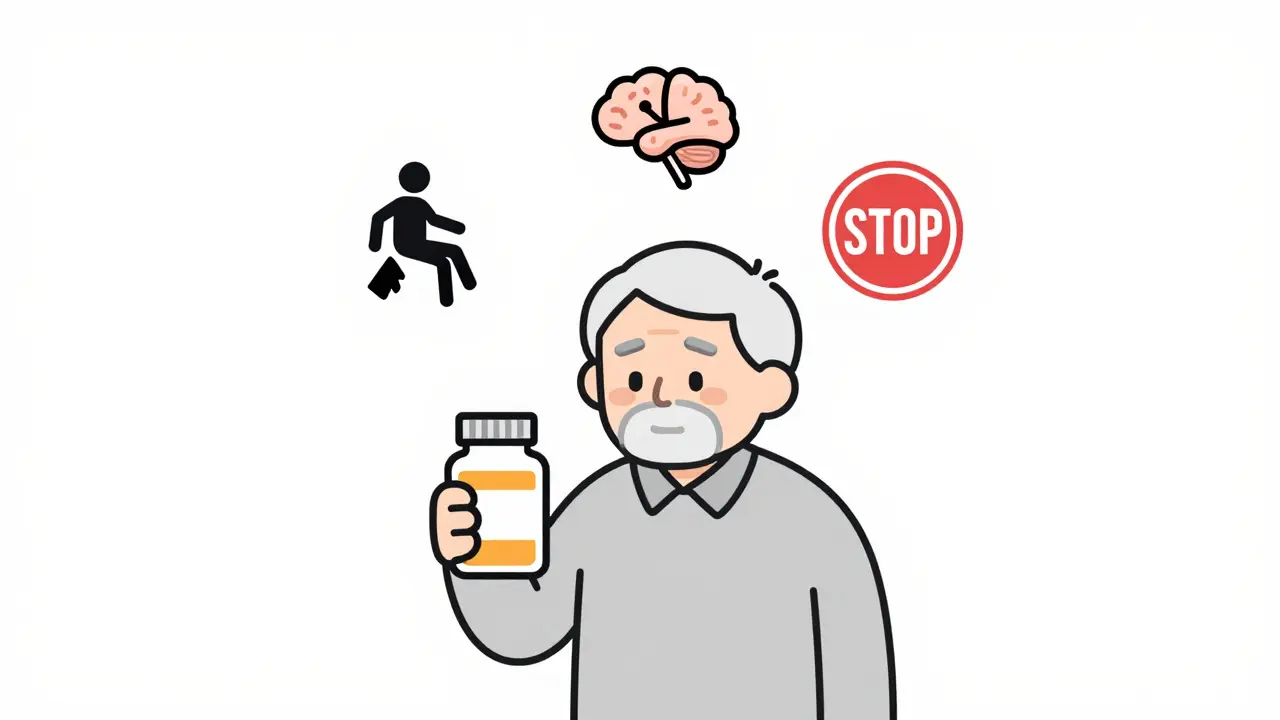
Beers Criteria: Potentially Inappropriate Drugs in Older Adults
The Beers Criteria identify medications that may be harmful to older adults. Learn how these evidence-based guidelines help reduce adverse drug events, improve safety, and support smarter prescribing for people over 65.
Read More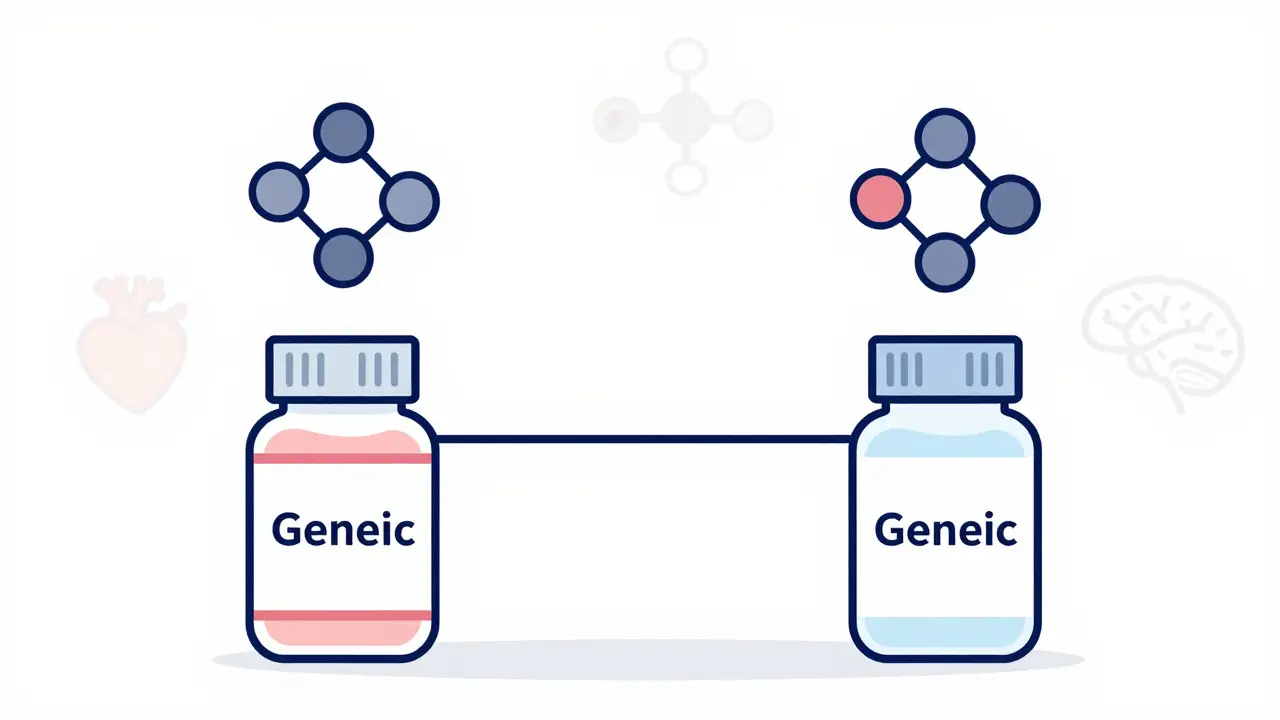
Clinical Studies on Generic Drug Efficacy: What the Research Really Shows
Clinical studies show generic drugs are just as effective as brand-name drugs for most people - but there are exceptions. Learn what the research says about safety, bioequivalence, and when to be cautious.
Read More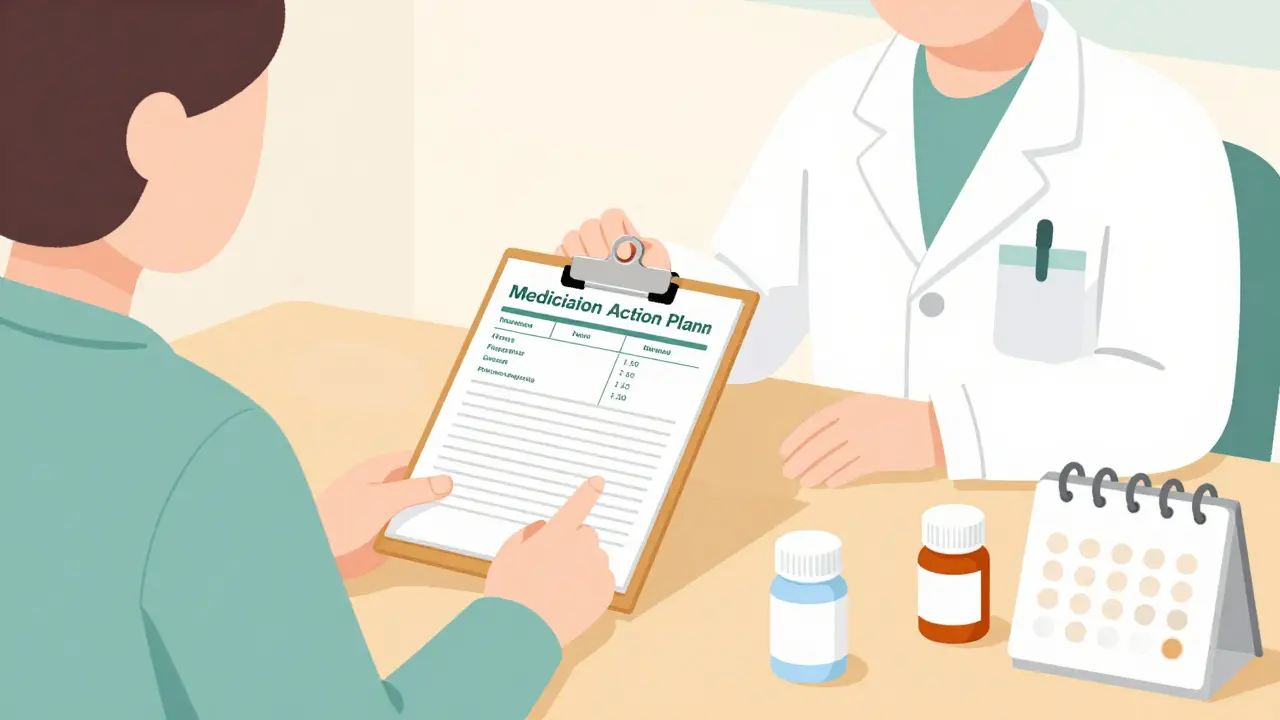
How to Use a Medication Action Plan Template During Healthcare Visits
Learn how to use a Medication Action Plan template during healthcare visits to prevent errors, improve adherence, and communicate clearly with your providers. A simple tool that saves lives.
Read More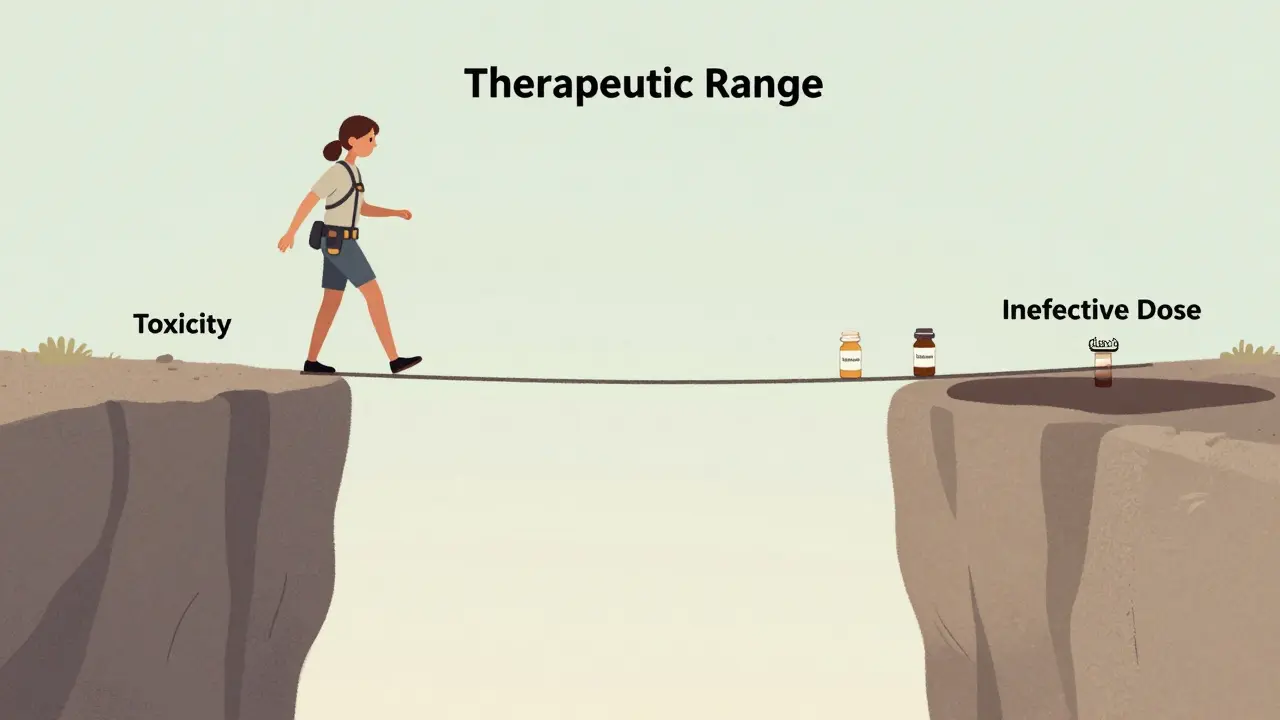
NTI Drug List: Common Medications with Narrow Therapeutic Windows
NTI drugs have a tiny margin between effective and toxic doses. Common examples include warfarin, lithium, digoxin, and tacrolimus. These require strict monitoring to avoid serious harm. Learn which medications fall into this high-risk category and how to stay safe.
Read More
MedWatch Reporting for Generics: How Safety Data Is Collected
MedWatch collects real-world safety data on generic drugs through voluntary reports from patients and providers. Learn how these reports help the FDA spot problems, why details like manufacturer names matter, and what you can do to help improve drug safety.
Read More
High-Risk Medications Requiring Extra Verification Procedures to Prevent Deadly Errors
High-risk medications like IV insulin, heparin, and chemotherapy require strict double verification to prevent deadly errors. Learn which drugs need extra checks, how the process works, and why skipping it can be fatal.
Read More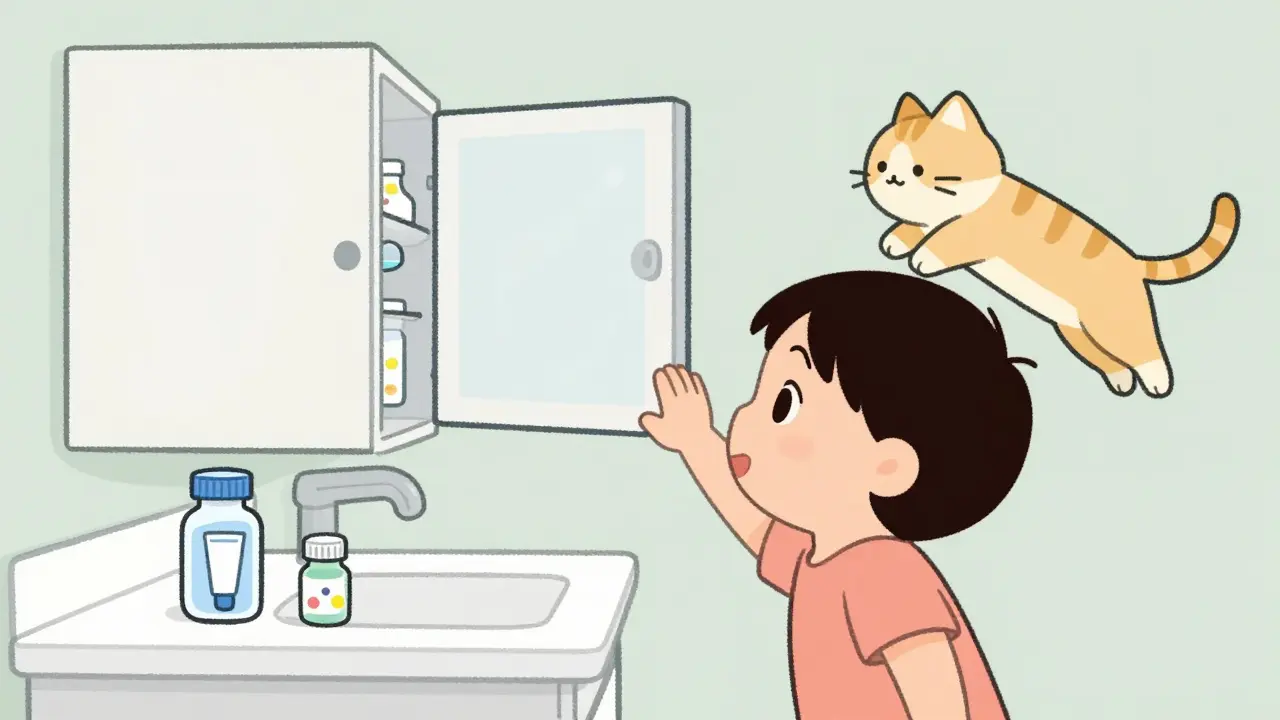
Safe Storage of Medications: Keeping Children and Pets Protected
Accidental medication poisoning in children and pets is common but preventable. Learn how locked storage, separating human and pet meds, and proper disposal can protect your family and animals from deadly mistakes.
Read More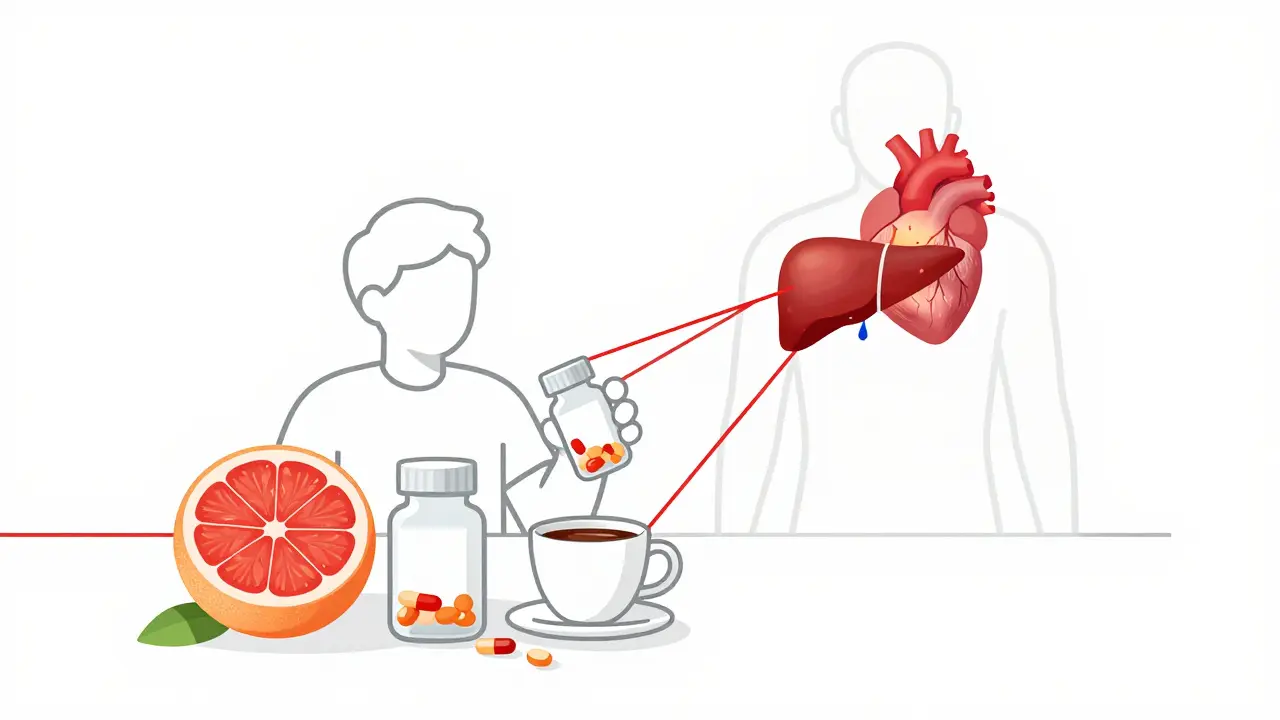
What Are Drug Interactions and Why They Matter for Medication Safety
Drug interactions can make medications dangerous or ineffective, leading to hospitalizations and even death. Learn what causes them, which drugs are most risky, and how to protect yourself from preventable harm.
Read More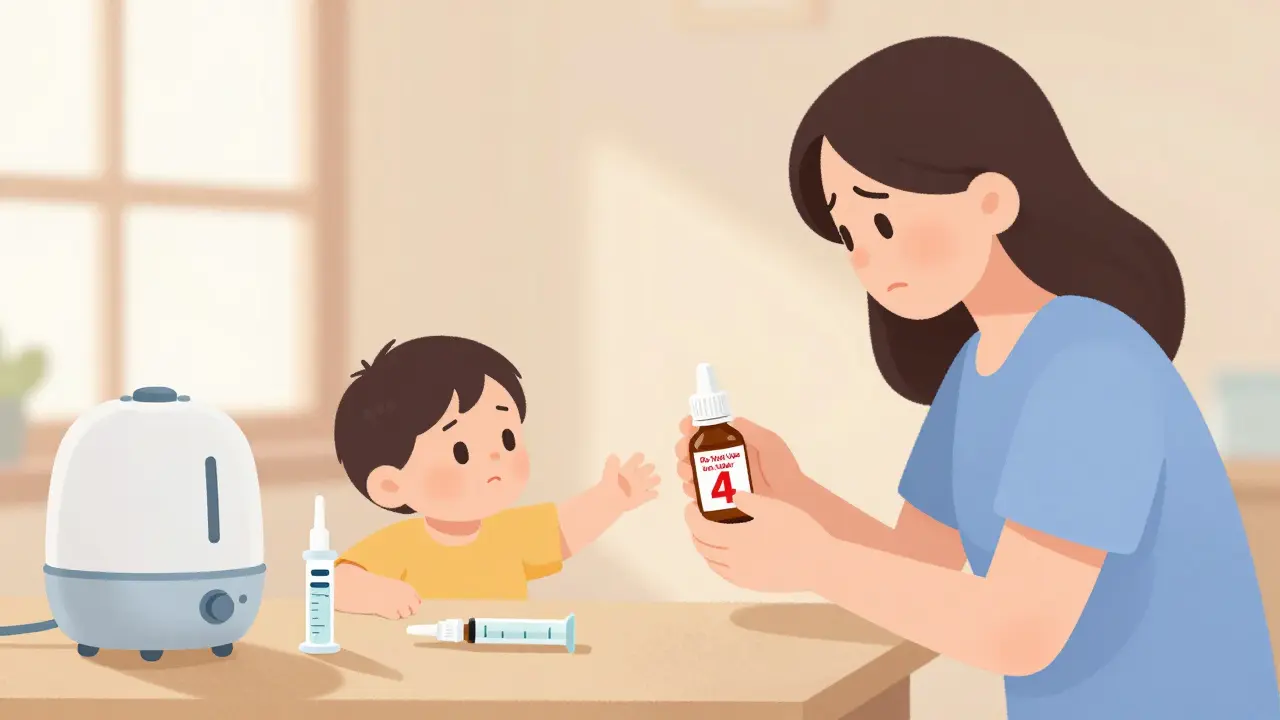
OTC Cold Medicine Safety in Children: Age Limits and Risks
OTC cold medicines for children under 4 are ineffective and dangerous. Learn the real risks, what works instead, and how to safely manage your child's cold without medication.
Read More
FDA's 180-Day Exclusivity: How It Helps First Generic Drug Makers Compete
FDA's 180-day exclusivity rewards the first generic drug maker to challenge a patent, but delays in launching can block competition and keep prices high. Here's how it works-and why reform is coming.
Read More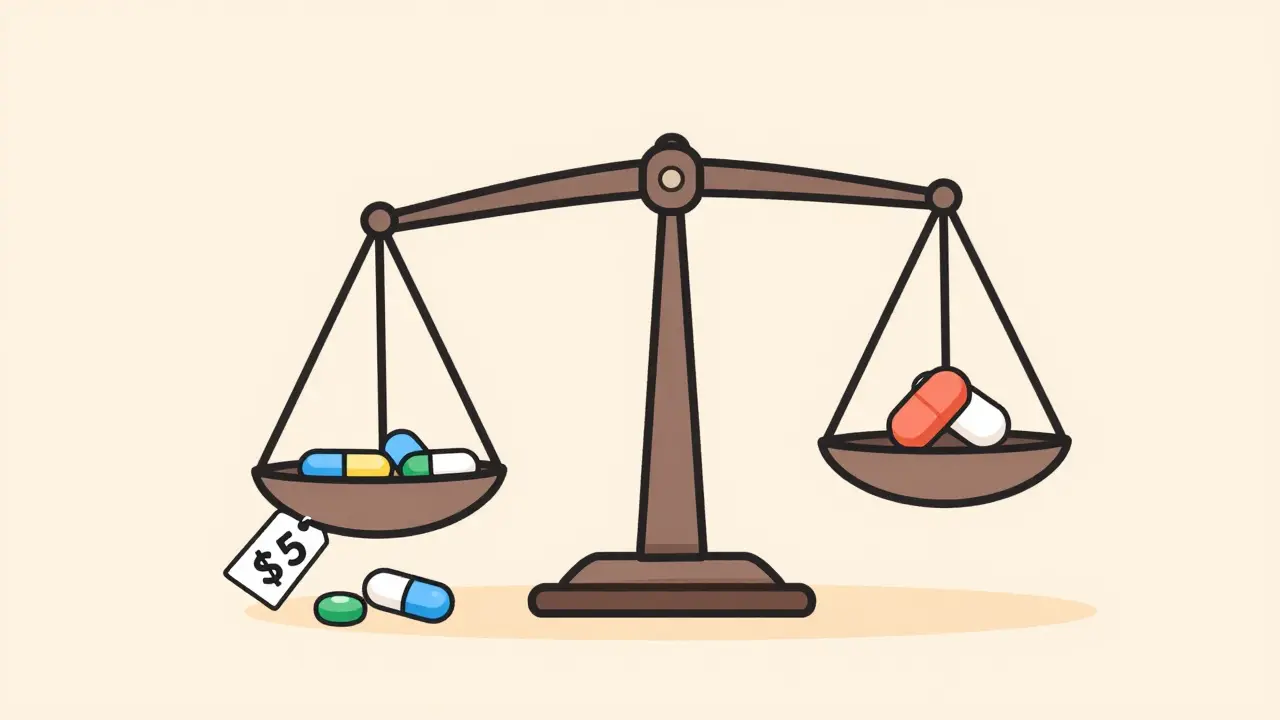
Cost-Effectiveness Analysis: Measuring the Value of Generic Drugs
Cost-effectiveness analysis reveals how generic drugs save billions by delivering the same health outcomes at a fraction of the cost. Learn how pricing, competition, and smart substitution drive real savings in healthcare.
Read More
How to Prepare for Medication Needs during Pilgrimages and Treks
Prepare for high-altitude pilgrimages and treks with the right medications, storage practices, and medical planning to prevent altitude sickness and emergencies. Know what to pack, when to take it, and how to respond if things go wrong.
Read More