
Smart Wellness Chick - Page 2
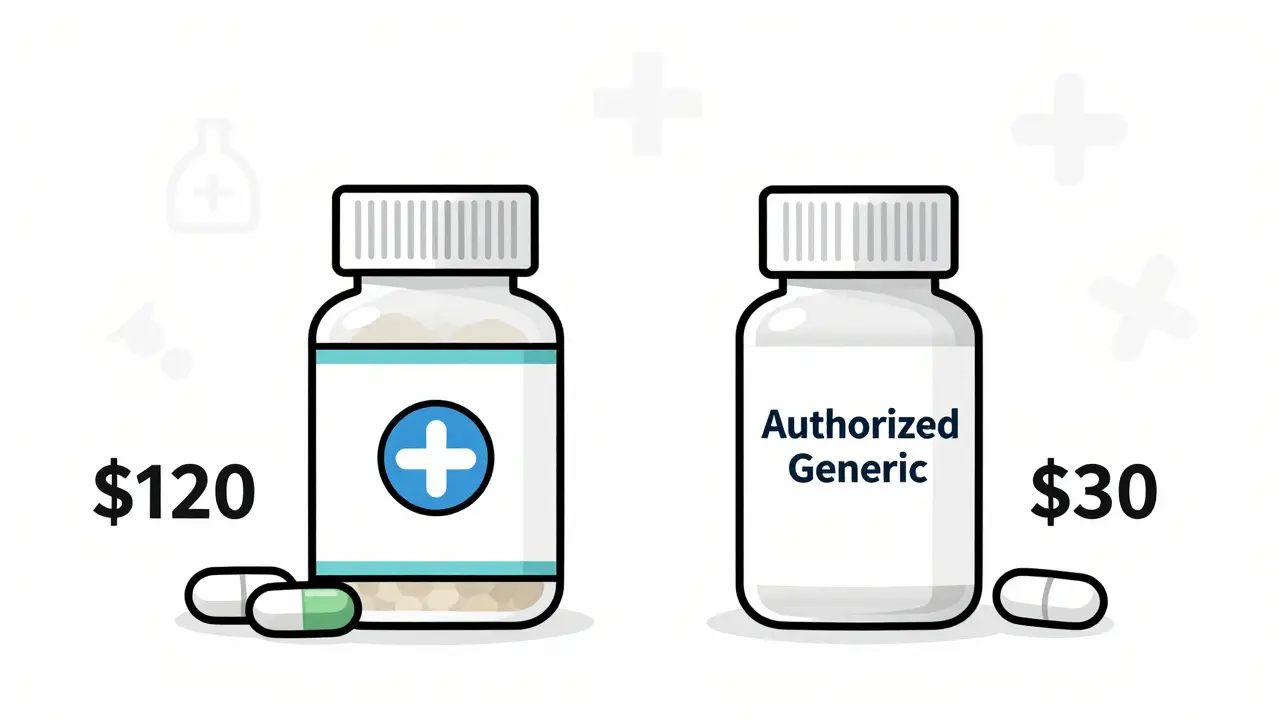
How to Understand Authorized Generics and How They Differ from Traditional Generics
Authorized generics are identical to brand-name drugs in every way - just sold without the brand label. They differ from traditional generics in ingredients, regulation, and manufacturing. Learn how to spot them and when to ask for them.
Read More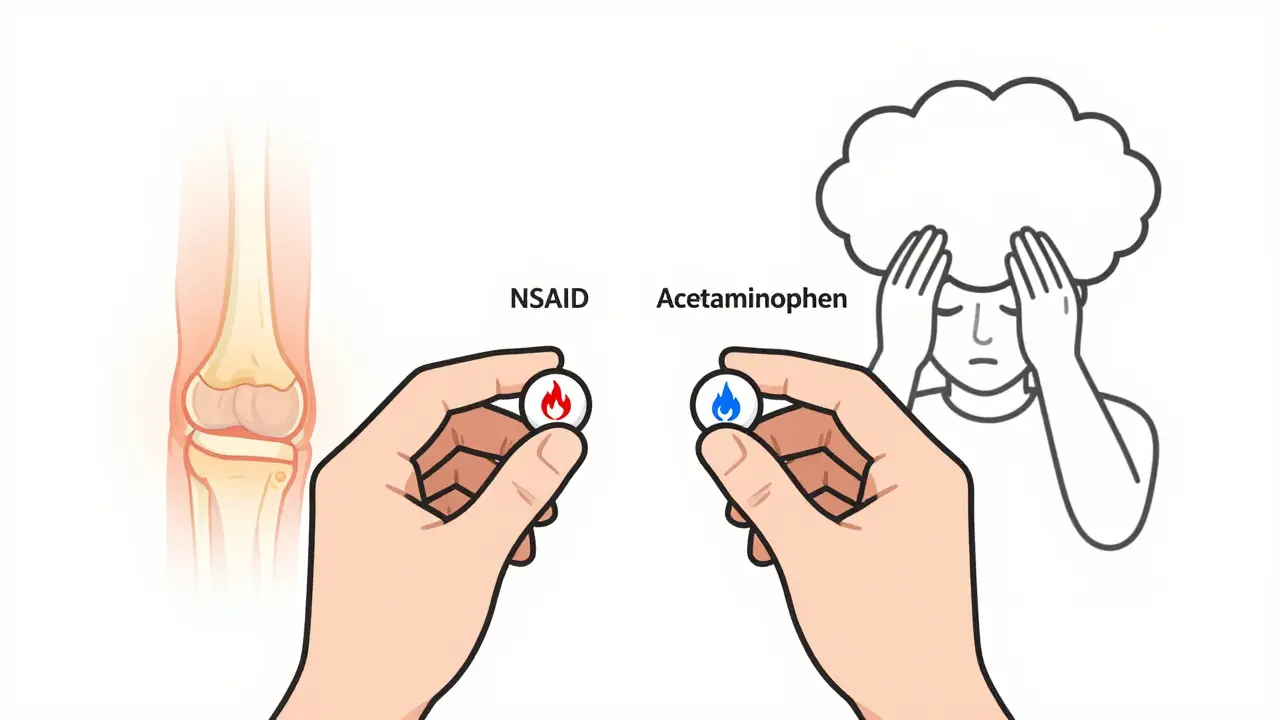
NSAIDs vs. Acetaminophen: Which Pain Reliever Is Right for You?
NSAIDs and acetaminophen are the two most common pain relievers, but they work very differently. Learn when to use each one-and how to avoid dangerous mistakes.
Read More
Healthcare Workforce Shortages: How Hospitals and Clinics Are Struggling
Healthcare system shortages are pushing hospitals and clinics to the brink. With nurse staffing levels at record lows and ER wait times soaring, patient safety is at risk. Experts warn this crisis is only getting worse unless major changes happen soon.
Read More
Sleep Aids: Cognitive Side Effects and Drug Interactions Explained
Sleep aids can help with insomnia but may harm brain health. Different medications carry varying risks-benzodiazepines increase dementia risk, while newer options like suvorexant may be safer. Learn how these drugs affect cognition, real user experiences, and safer alternatives like CBT-I.
Read More
Spinal Cord Injury: Function Loss, Rehab, and Assistive Devices
Spinal cord injury causes lasting loss of movement, sensation, and body function. Recovery depends on early, intensive rehab and access to assistive devices like exoskeletons and FES bikes. Success isn't about walking again-it's about regaining independence.
Read More
Post-Marketing Pharmacovigilance: How New Medication Side Effects Are Found
Post-marketing pharmacovigilance tracks hidden side effects of drugs after they're approved. Learn how systems like MedWatch, EudraVigilance, and AI-powered EHRs catch dangers clinical trials miss - and how you can help.
Read More
Hepatic Encephalopathy: Understanding Confusion, Lactulose, and How to Prevent It
Hepatic encephalopathy is a brain disorder caused by liver failure, leading to confusion and cognitive decline. Lactulose is the primary treatment to reduce ammonia, while rifaximin helps prevent recurrence. Prevention includes diet, avoiding triggers, and early detection.
Read More
Patient-Reported Outcomes: How Your Daily Feedback Improves Drug Safety
Patient-reported outcomes are transforming drug safety by capturing real-life symptoms only you can describe. Learn how your daily feedback helps regulators, doctors, and researchers make safer, more effective treatments.
Read More
Hepatitis A: How Food Spreads the Virus and What to Do After Exposure
Hepatitis A spreads silently through food handled by infected workers. Learn how it transmits, why post-exposure prophylaxis must be given within 14 days, and what actually works to stop outbreaks.
Read More
Probiotics During Antibiotic Therapy: How to Reduce Gut Side Effects
Probiotics can reduce antibiotic-related diarrhea by up to 50% when taken correctly. Learn which strains work best, how to time them, and who should avoid them.
Read More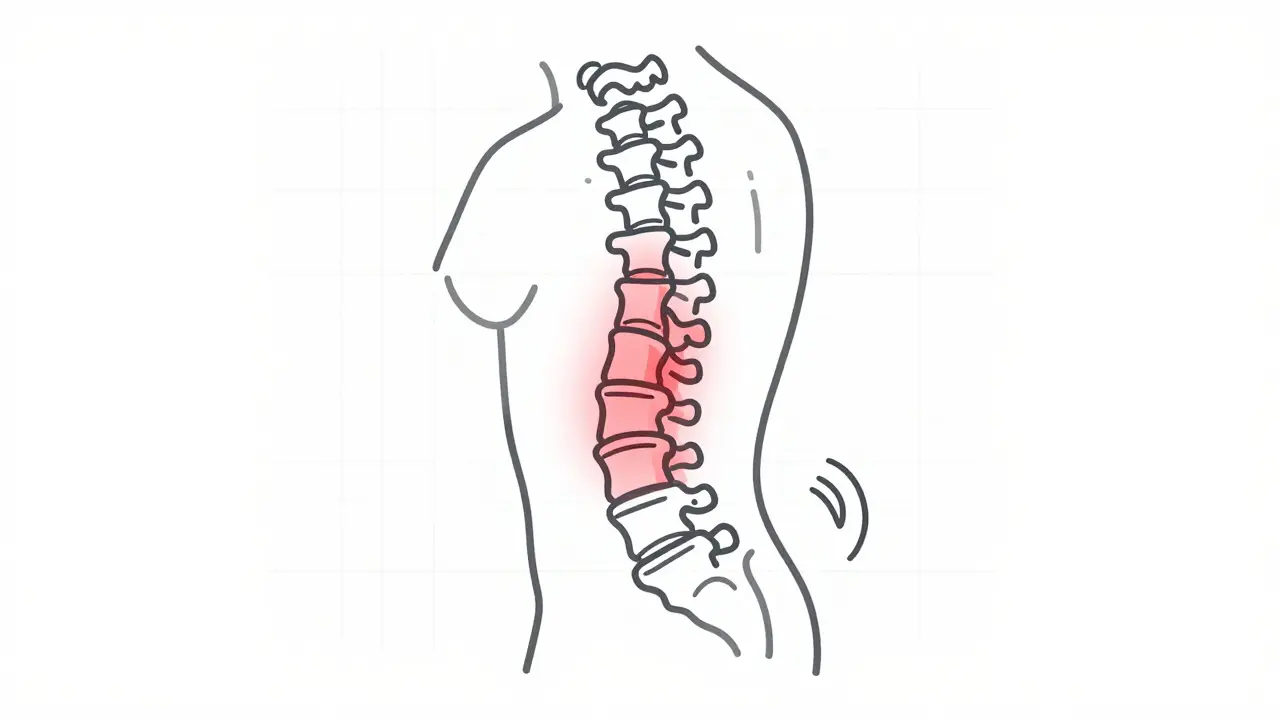
Spondylolisthesis: Understanding Back Pain, Instability, and Fusion Options
Spondylolisthesis is a slipped vertebra causing back pain and instability, especially in older adults. Learn how conservative treatments like physical therapy work, when fusion surgery is needed, and what new options are emerging for long-term relief.
Read More
How to Check for Pharmacy-Level Recall Notifications: A Step-by-Step Guide for 2026
Learn how to check for pharmacy-level drug recall notifications using FDA alerts, wholesaler systems, and automated pharmacy software. Know the steps to verify, act, and document recalls to keep patients safe in 2026.
Read More